
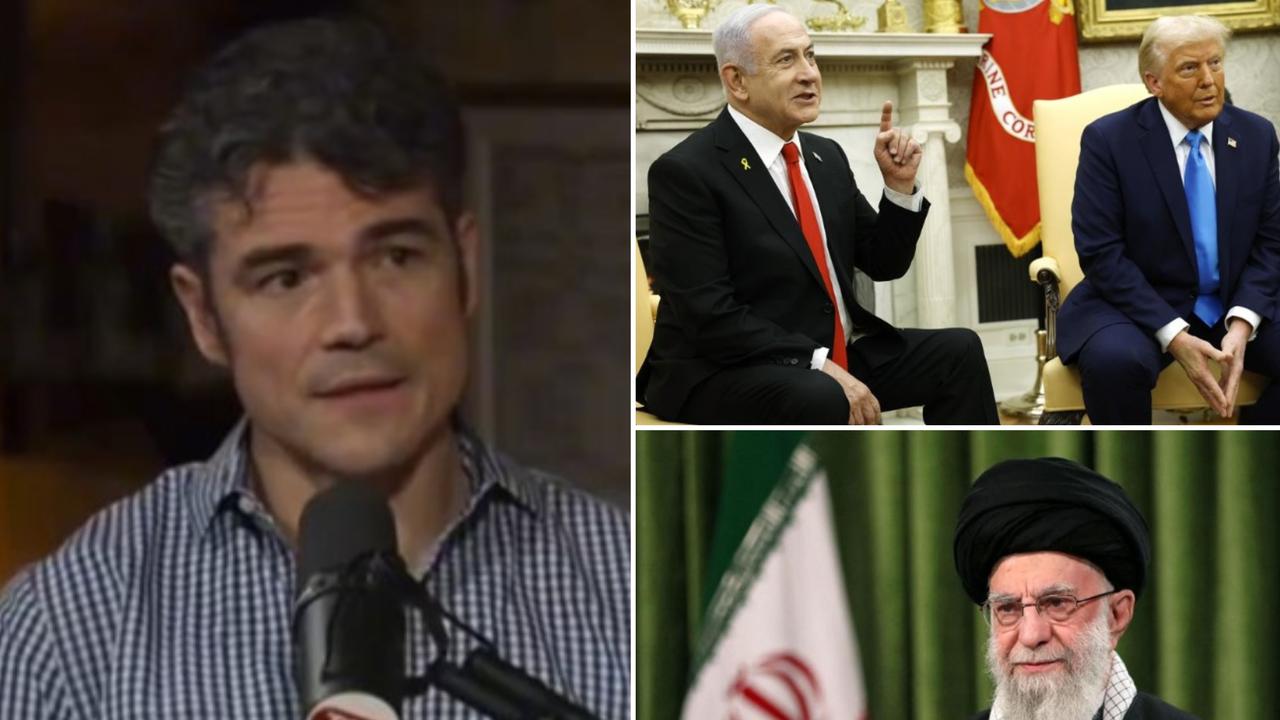

As the conflict in the Middle East intensifies, President Donald Trump is grappling with internal discord, highlighted by the resignation of Joe Kent, his top counterterrorism official, on Tuesday. This departure underscores a growing division among Republicans regarding the United States’ intervention in Iran.
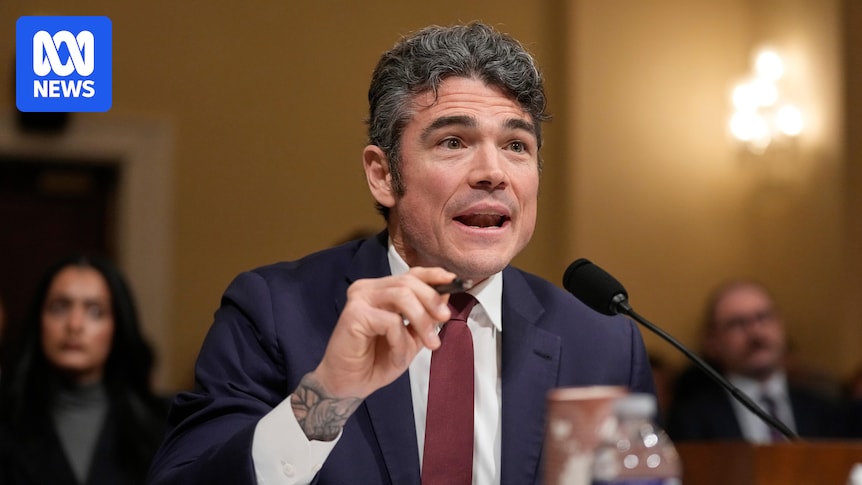
Joe Kent, who served as the director of the National Counterterrorism Center, announced his resignation, citing his inability to support the ongoing military efforts in the Middle East. In a resignation letter posted on X, Kent expressed that while it was an honor to serve under Trump, he could not “in good conscience” back the war, which he believes was initiated under pressure from Israel and its influential American lobby.
Background on Joe Kent’s Resignation
Joe Kent’s resignation is a significant development, considering his previous role as a staunch supporter of the Trump administration. Appointed in 2024, Kent was tasked with coordinating national security and intelligence efforts to combat terrorism. His military background as a Green Beret, with 11 combat deployments, and subsequent work with the CIA, positioned him as a key figure in Trump’s security team.
Despite his loyalty, Kent’s stance on the Middle East conflict diverged from Trump’s. In his resignation, he criticized the administration’s rationale for war, stating, “Iran posed no imminent threat to our nation.” His departure follows a series of online disputes among right-wing figures over the Israel-US-Iran conflict, highlighting a broader unease within the Republican ranks.
Trump’s Response to Kent’s Departure
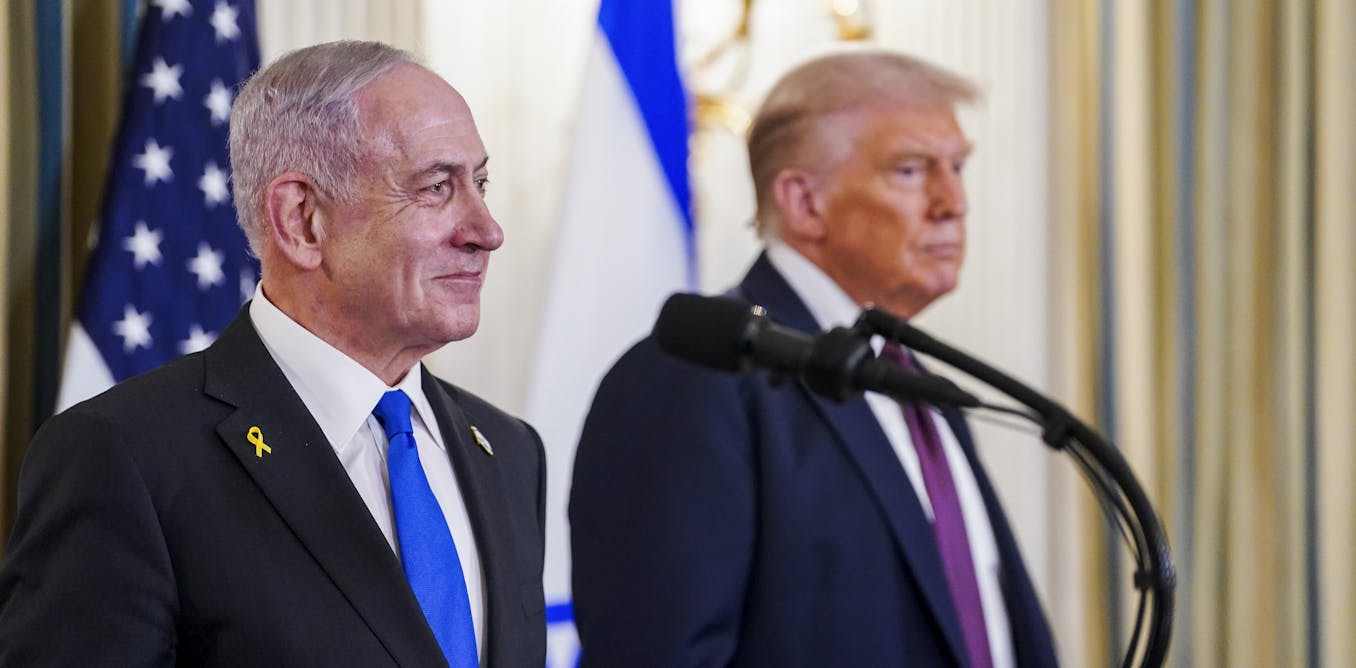
President Trump, when questioned about Kent’s resignation, labeled him as “weak on security” and emphasized the perceived threat from Iran. “If someone in my administration does not believe Iran was an imminent threat, we don’t want those people,” Trump asserted. White House press secretary Karoline Leavitt echoed this sentiment, dismissing Kent’s claims as “insulting and laughable.”
The Implications of Internal Republican Discord
Kent’s resignation is not just an isolated incident but part of a larger narrative of division within the Republican Party. Trump’s campaign promises often emphasized avoiding new wars, positioning himself as a peacetime president. However, the current conflict in the Middle East has sparked bipartisan scrutiny over the administration’s motives and justifications for military action.
House Speaker Mike Johnson and Secretary of State Marco Rubio have both offered perspectives that suggest a complex decision-making process, with Johnson indicating that Israel’s potential unilateral action influenced the US decision to strike. Rubio highlighted concerns about potential retaliatory attacks against American forces.
“About half of Americans disapprove of the US’ involvement in Iran, with a further 10% uncertain of their stance.”
Public Opinion and Political Ramifications
The mixed messaging from the administration has impacted Trump’s popularity. Recent polls indicate a decline in his approval ratings, with a net approval rating dropping to -13.9, lower than his first-term figures and those of predecessors Joe Biden and Barack Obama during similar periods. Public support for military action in the Middle East remains tepid, with only a minority backing the intervention from the outset.
Among Republicans, support for the Iran conflict is stronger but still below expectations. The Silver Bulletin’s analysis showed a 77% approval among Republicans, four points lower than anticipated. As the war affects fuel prices, Trump’s approval on handling inflation is also at risk, with only 36% of the general public and 73% of Republicans expressing approval.
Looking Ahead: Political Strategies and Consequences
With midterm elections approaching, Democrats are poised to capitalize on the political turbulence. Democratic strategist Brad Bannon emphasized the importance of reminding voters of Trump’s unfulfilled promises to reduce prices, which are likely to rise further due to the conflict’s impact on fuel costs.
When asked about the potential political fallout, Trump maintained that his decisions were driven by national security concerns rather than political calculations. “I have to do what’s right,” he stated, prioritizing the prevention of Iran acquiring nuclear capabilities over short-term economic impacts.
The resignation of Joe Kent and the ensuing debate over US policy in Iran highlight the complexities and challenges facing the Trump administration. As the situation evolves, both domestic and international implications will continue to unfold, shaping the political landscape in the months ahead.