


The Technical University of Munich (TUM) has achieved a significant milestone with six of its research teams being awarded the highly esteemed European Research Council (ERC) Consolidator Grants. These grants, each providing up to two million euros, are set to propel groundbreaking research in diverse scientific fields. The new grants elevate TUM’s total ERC Grant count to 261, including 60 Consolidator Grants, underscoring the university’s commitment to pioneering research.
The awarded projects span a wide range of scientific inquiries, from enhancing artificial organs using slime molds to exploring the synaptic behaviors of pancreatic cancer. Each project promises to push the boundaries of current knowledge and potentially lead to transformative applications in their respective fields.
Exploring Adaptive Matter and Artificial Organs
Prof. Dr. Karen Alim’s project, “Learning Matters!”, seeks to revolutionize the development of artificial organs by leveraging the unique properties of slime molds. These organisms, despite lacking a brain, can solve complex problems, such as navigating mazes. Alim aims to apply these problem-solving abilities to teach artificial blood vessels to adapt and develop optimally, mimicking the natural learning processes of biological systems.
Prof. Alim, a leading figure in biological physics and morphogenesis, has previously received an ERC Starting Grant in 2020. Her current research is poised to usher in an era of adaptive matter that can learn and evolve, offering new hope for patients reliant on artificial organs.
Decoding Cancer’s Neural Networks
Prof. Dr. Dr. Ihsan Ekin Demir’s project, SYNAPSE-ON-CANCER, delves into the intriguing discovery that pancreatic cancer cells form “pseudo-synapses” to hijack nervous system signals. This process facilitates tumor growth by transmitting neurotransmitter glutamate, thereby activating growth-promoting mechanisms.
Demir’s research aims to unravel the molecular intricacies of these neuron-cancer networks and develop therapeutic strategies to disrupt them. By utilizing bioinformatics, his team seeks to identify existing drugs that can be repurposed to block these malignant signals. As Vice Chair of the Department of Surgery at TUM University Hospital, Demir’s work could pave the way for innovative cancer treatments.
Innovations in Diagnostics and Therapeutics
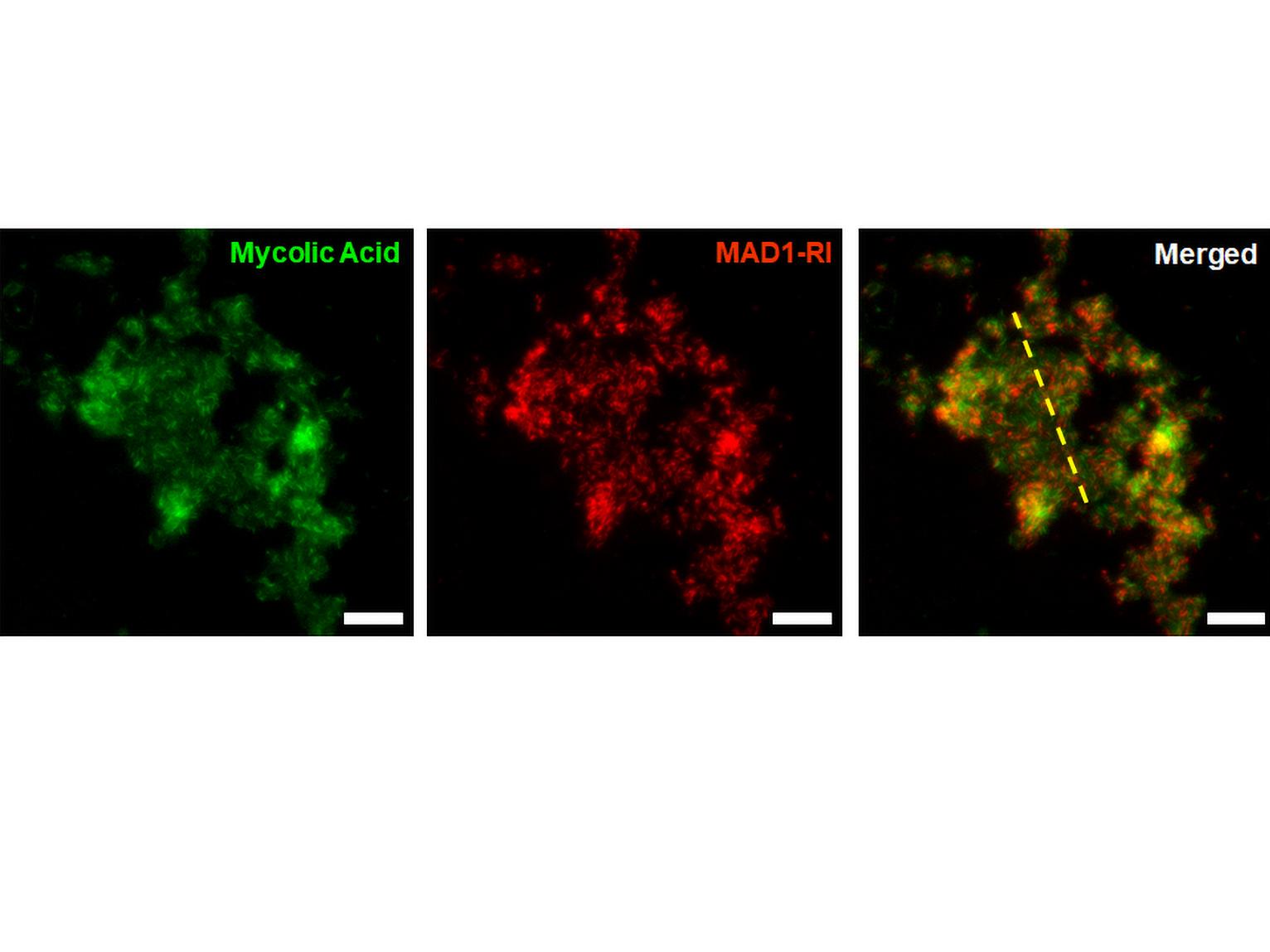
Prof. Dr. Stefan Guldin’s EngToTarget project focuses on creating nanostructures that could serve as alternatives to biologically derived antibodies. These structures, formed through nanoscale self-organization, are designed to bind selectively to pathogens, offering a cost-effective and rapid diagnostic tool.
Guldin, who will assume the role of Professor of Complex Soft Matter in 2024, aims to develop nanoparticles targeting influenza, COVID-19, and cholera. His approach, which integrates robotics and machine learning, could revolutionize diagnostic testing by providing a scalable, open-source solution.
Advancing Protein Synthesis and NMR Sensitivity
Prof. Dr. Danny Nedialkova’s QUALItRNA project investigates the cellular mechanisms that ensure the integrity of transfer RNAs (tRNAs), crucial for accurate protein synthesis. Her research explores how disruptions in this system contribute to neurodevelopmental disorders, aiming to identify potential therapeutic targets.
Meanwhile, Dr. Roberto Rizzato’s NMR-NANOTUBES project seeks to enhance the sensitivity of nuclear magnetic resonance (NMR) measurements using quantum technology. By developing boron nitride nanotubes with optically active spin qubits, Rizzato aims to enable subcellular NMR measurements, potentially transforming biomedical applications.
Probing the Mysteries of Dark Matter
Prof. Dr. Karoline Schäffner’s PIRATES project takes on the ambitious task of verifying claims of dark matter detection. Utilizing advanced superconducting quantum sensors, Schäffner’s team aims to improve the sensitivity of dark matter detectors, potentially confirming or refuting controversial findings from experiments like DAMA/LIBRA.
Schäffner, a prominent figure in experimental dark matter research, is also exploring novel crystalline materials to enhance detector capabilities. Her work could significantly advance our understanding of the universe’s dark matter composition.
The announcement of these ERC Consolidator Grants highlights TUM’s dedication to fostering innovative research across multiple disciplines. As these projects unfold, they hold the promise of delivering significant scientific breakthroughs and practical applications that could reshape various fields.