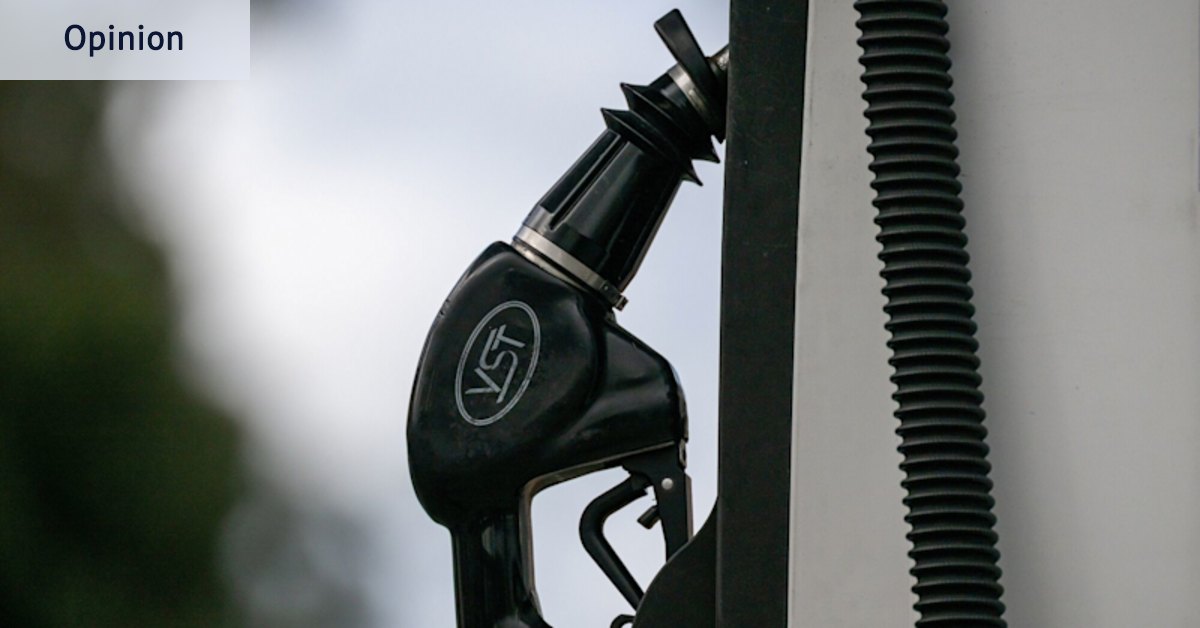



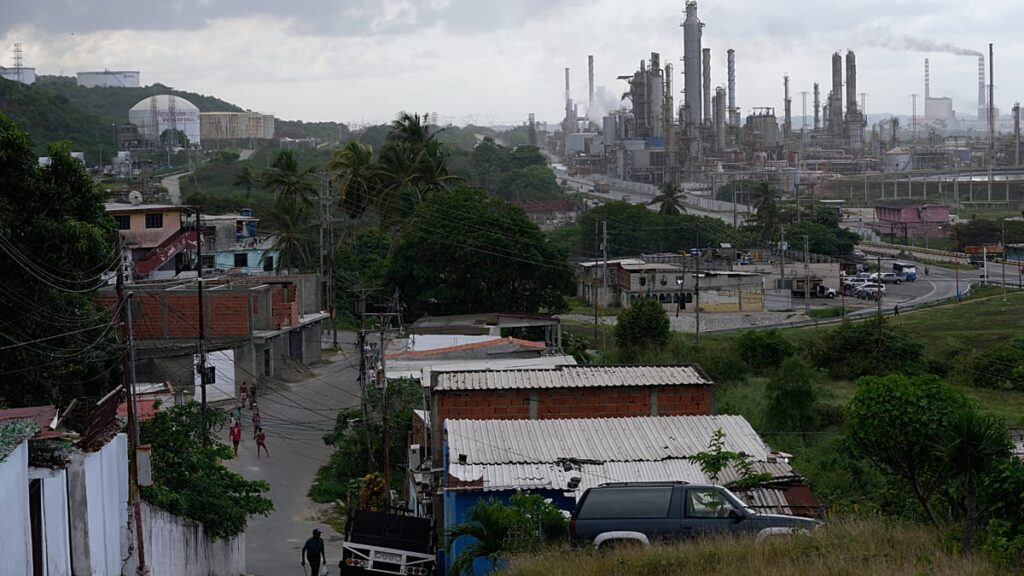
US President Donald Trump has expressed a desire to leverage Venezuela’s vast oil reserves to benefit American companies, envisioning billions in profits. However, experts caution that the path to achieving this vision is fraught with significant logistical and political challenges.
Trump’s proposal to “run Venezuela through oil” raises numerous questions about the feasibility of such an endeavor. Critical issues remain unresolved, including who would manage daily operations, whether the existing Chavista regime would cooperate, and the extent of investment required from US companies and potentially taxpayers to modernize Venezuela’s outdated oil infrastructure.
Despite the lack of detailed plans, Trump has repeatedly emphasized the potential benefits for the US, suggesting that American companies have shown “huge interest” in the venture. For Trump, energy equates to power, and Venezuela’s oil reserves—the largest confirmed in the world—could provide the US with strategic leverage on the global stage.
Venezuela’s Oil Reserves: A Potential Game Changer?
According to Goldman Sachs, the combined oil reserves of Venezuela, neighboring Guyana, and the US could account for approximately 30% of global oil reserves. The bank estimates that under US influence, Venezuela’s oil production could increase from its current 0.8 million barrels per day to 1.4 million barrels per day within two years, potentially reaching 2.5 million barrels per day within a decade.
“We maintain our view that regime change in Venezuela would immediately represent one of the largest upside risks to the global oil supply for 2026 and 2027,” Goldman Sachs noted. “The shift could give the US greater influence over oil markets and reshape the balance of power in international energy markets.”
However, the realization of these projections hinges on significant financial investments to revitalize Venezuela’s oil industry, which has suffered from years of neglect and underinvestment. The infrastructure is in dire need of repair, and a skilled workforce must be rebuilt.
Economic and Political Obstacles
Chevron is currently the only major US oil company operating in Venezuela under a special license. Other companies, like Exxon Mobil and ConocoPhillips, exited the country following the nationalization of their assets by former Venezuelan leader Hugo Chávez in 2007. Trump has labeled these actions as “theft” and insists on compensation for the US.
Reviving Venezuela’s oil industry could require tens or even hundreds of billions of dollars, according to Peter McNally of Third Bridge, a private equity and investment research firm. Moreover, Venezuela would need to reform its laws to allow for greater foreign investment, reversing decades of nationalization policies.
“The US oil majors’ main responsibility is towards their shareholders, not the government,” said Ole Hansen, an analyst at Saxo Bank. “With that in mind, I doubt we will see a rush of interest to get back into Venezuela anytime soon.”
Political Volatility and Legal Concerns
Recent political developments have added further complexity to Trump’s proposal. A US Delta Force operation recently captured Nicolás Maduro, leading to his pending trial on narcoterrorism charges in New York. Delcy Rodríguez, Maduro’s former deputy, has assumed leadership, but questions about the legality of the US operation and the potential for continued political instability remain.
Mark Christian, director of business development at CHRIS Well Consulting, emphasized that American firms would require assurances of payment and security before returning to Venezuela. Additionally, US sanctions against the country would need to be lifted, a move the current administration has not yet signaled.
“American firms won’t return until they know for sure they will be paid and will have at least a minimal amount of security,” Christian stated.
US Secretary of State Marco Rubio has suggested an “oil quarantine” policy for the new Venezuelan leadership, maintaining elements of the Maduro regime, including the military and interior ministry. This approach, combined with unresolved debt issues and past nationalization disputes, complicates the potential for renewed US investment.
Historical Parallels and Future Prospects
Ed Hirs, an energy fellow at the University of Houston, drew parallels between Trump’s ambitions in Venezuela and previous US interventions in oil-rich nations like Iraq and Libya, which failed to yield significant benefits for American companies.
“Trump now joins the history of US presidents who have overthrown regimes of countries. Bush with Iraq. Obama with Libya. In those cases, the United States has received zero benefit from the oil,” Hirs remarked. “I’m afraid that history will repeat itself in Venezuela.”
The future of US involvement in Venezuela’s oil industry remains uncertain. While the potential for profit is significant, the economic, political, and legal challenges present formidable obstacles. As the situation unfolds, stakeholders will be closely watching for signs of policy shifts and investment opportunities.