




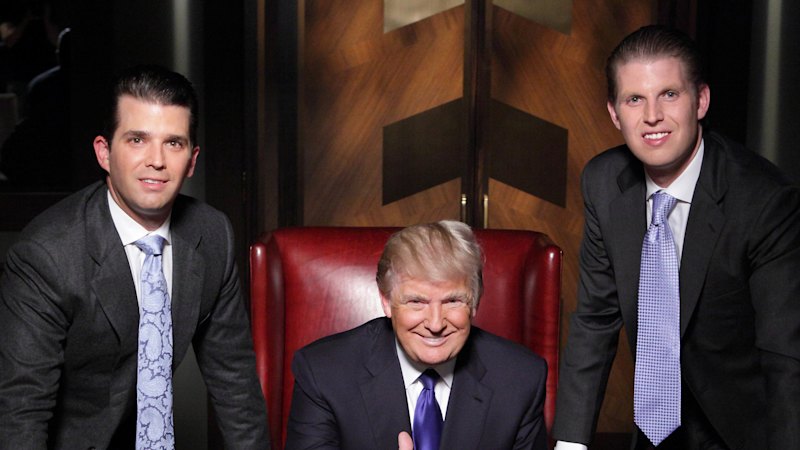
In a strategic pivot that underscores the evolving landscape of modern warfare, Donald Trump Jr. and Eric Trump, through their investment fund American Ventures, have made significant investments in drone technology. This move aligns with the U.S. military’s increasing reliance on unmanned aerial systems in the ongoing conflict with Iran.
The Trump sons’ involvement in the drone sector began in earnest last year when American Ventures invested in two companies originally focused on construction and golf course operations. These companies have since redirected their efforts towards drone technology, a sector that has seen substantial growth due to its critical role in military operations.
Drone Investments and Military Strategy
The Trump family’s investments in drones are particularly noteworthy given the Pentagon’s plans to allocate approximately $1 billion towards drone technology over the next two years. This investment strategy appears to be paying off, with American Ventures’ holdings in drone firms now valued at nearly $750 million, according to Bloomberg data.
Powerus, a key player in these investments, was co-founded by Brett Velicovich, a former Delta Force intelligence analyst. The company aims to scale up production of its drones significantly, from 1,000 to 10,000 units per month, to meet increasing demand from the Pentagon.
“The Trump family understands how important drone technology is to America right now,” Velicovich stated in an interview.
Strategic Mergers and Market Impact
Rather than pursuing traditional initial public offerings, both Powerus and Israeli drone maker Xtend have opted for reverse mergers with smaller, publicly traded companies. This strategy has allowed them to quickly capitalize on market opportunities and align with military needs.
Aureus Greenway Holdings, a company with no prior involvement in drones, saw its stock prices surge after announcing a merger with Powerus. Similarly, Xtend’s merger with JFB Construction Holdings has attracted significant attention and investment, bolstered by Eric Trump’s backing.
“The United States has taken a clear stance in protecting Western allies, and I believe strongly in that mission,” said Aviv Shapira, CEO of Xtend.
Potential Conflicts and Industry Implications
While these investments present lucrative opportunities, they also raise questions about potential conflicts of interest, particularly as the Trump-backed companies seek government contracts. Stacie Pettyjohn, director of the defense program at the Centre for a New American Security, expressed concerns about the transparency and fairness of the contracting process.
“It does create complications for how the government goes about issuing contracts,” Pettyjohn noted. “It’s unclear how conflicts of interest play out, and who gets preferential treatment.”
The U.S. military’s “Drone Dominance” initiative, introduced under the Trump administration, aims to equip forces with advanced unmanned systems. This initiative has fueled the growth of companies like Powerus and Xtend, which are developing technologies for reconnaissance, supply delivery, and combat operations.
Future Prospects and Industry Challenges
Despite the current boom in drone technology, experts caution that the industry’s rapid growth may not be sustainable in the long term. The complexities of government contracting and the pace of technological advancements could pose significant challenges.
“While drones are hot, and the US needs more companies, it’s not clear how many will be sustainable,” Pettyjohn warned.
As the U.S. military continues to integrate drones into its strategic operations, the Trump family’s investments highlight the intersection of private enterprise and public policy. The coming years will reveal whether these ventures can maintain their momentum and adapt to the evolving demands of modern warfare.