



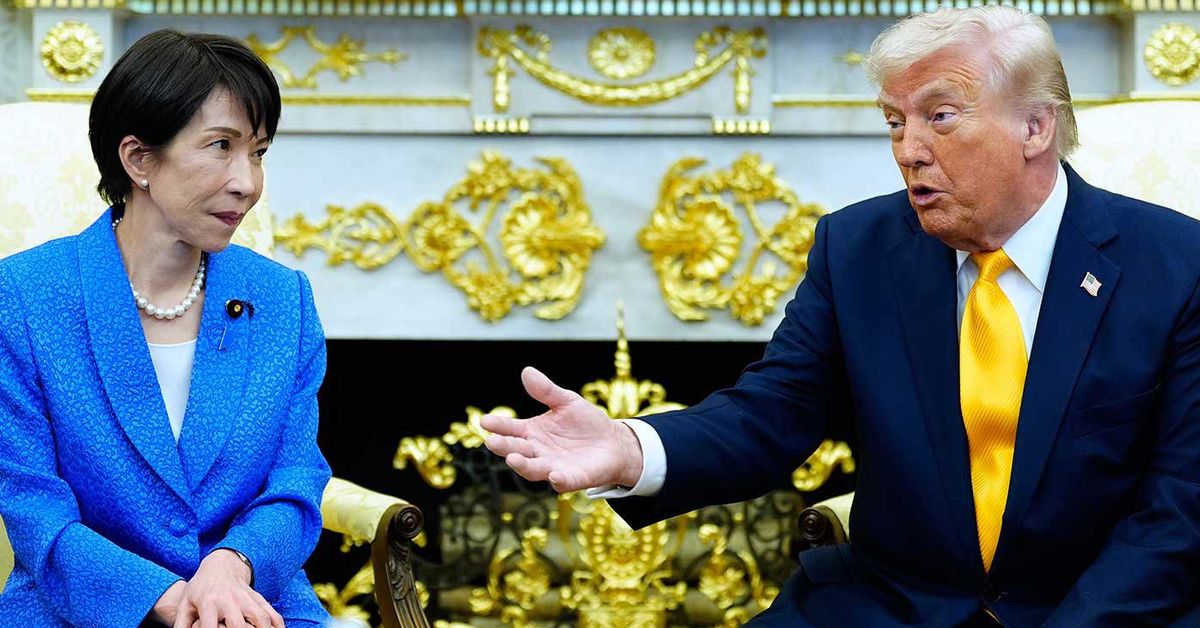
Amid global headlines suggesting an imminent annexation of Greenland by the United States, President Donald Trump’s ambitions now appear to be on much shakier ground. Initially buoyed by the success of his military operation in Venezuela, Trump had intensified his rhetoric, even threatening tariffs on nations opposing his plans. However, a different narrative has emerged, forcing Trump to reconsider his approach.
Behind the bluster, Trump’s military threats against Greenland faced overwhelming opposition domestically. Polling numbers revealed a toxic reception among the American public, and key Republican allies threatened to revolt. European nations have responded by sending reinforcements to Greenland, significantly raising the stakes of any potential U.S. invasion. Additionally, European leaders began contemplating economic retaliation, further complicating Trump’s plans.
Diplomatic and Financial Roadblocks
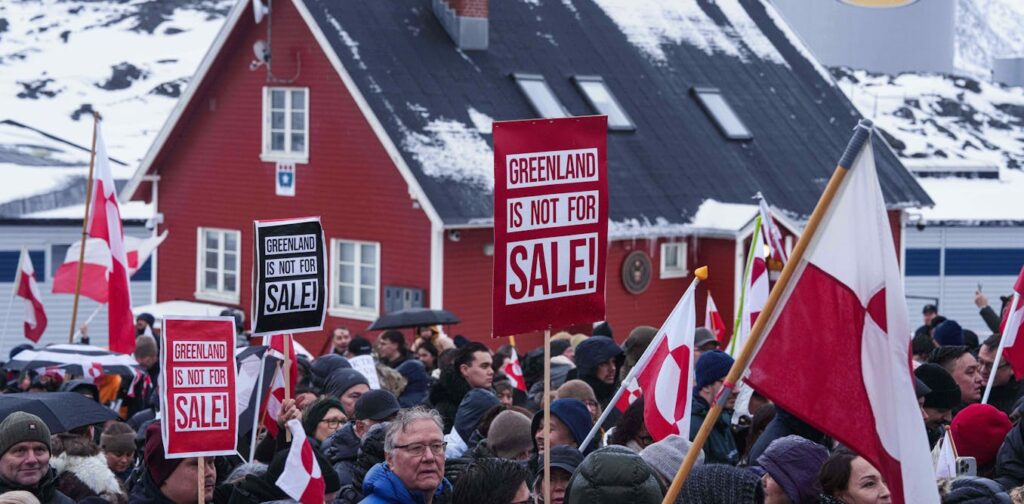
Trump’s options for acquiring Greenland are limited to diplomacy, financial transactions, or military force. Recent diplomatic talks collapsed, with Greenland and Denmark’s foreign ministers leaving Washington in “fundamental disagreement” over the territory’s future. The idea of purchasing Greenland is a non-starter, as Greenlanders have firmly stated the territory is not for sale, and the U.S. Congress is unwilling to fund such a purchase.
Military action, the remaining option, is stunningly unpopular. A recent Ipsos poll found that only four percent of Americans support using military force to take Greenland. To put this in perspective, more Americans support policies such as billionaires paying less tax (five percent) and pardoning convicted drug traffickers like Honduran President Juan Orlando Hernandez (13 percent).
“If your official foreign policy is less popular than pardoning drug traffickers, then your foreign policy might be in trouble.”
Recognizing this unpopularity, Trump has begun to retreat from his military threats. At the World Economic Forum in Davos, he stated, “I don’t have to use force. I don’t want to use force. I won’t use force,” and mentioned a potential future deal with NATO Secretary General Mark Rutte regarding Greenland.
Political Fallout and Military Defections
Trump’s political coalition is increasingly fragile, with the Republican majority in the House shrinking to a razor-thin margin. Republicans are openly breaking with Trump over Greenland. Nebraska Congressman Don Bacon warned, “There’s so many Republicans mad about this … If he went through with the threats, I think it would be the end of his presidency.”
The Senate presents an even greater challenge. Several Republican senators, including Thom Tillis and Lisa Murkowski, have pledged to oppose any annexation and have visited Copenhagen to reassure the Danish government. With enough defections, Congress could significantly curtail Trump’s plans, forcing a humiliating retreat.
Moreover, there is a risk of defections within the military. Senior officers could resign, retire, or challenge the legality of orders to attack NATO allies. Last year, Adm. Alvin Holsey of U.S. Southern Command retired abruptly amid reports of questioning the legality of U.S. actions in the Caribbean. Such resignations can alarm the public, who maintain high confidence in the military.
European Response and Economic Implications
Denmark and its European allies have sent military reinforcements to Greenland, not to defeat a U.S. invasion, but as a “tripwire force.” This strategy ensures that any attack on these forces would pressure European governments to retaliate, escalating the conflict and imposing costs on the U.S.
European governments are also quietly discussing retaliatory measures, including the EU’s Anti-Coercion Instrument, known as the “trade bazooka,” which could restrict U.S. access to the EU market. For ordinary Europeans, the idea of a boycott looms large. Some Europeans began boycotting U.S. goods amid Trump’s trade threats, but this could intensify if the U.S. betrays its European allies.
“In 2024, the U.S. exported almost US$665 billion in goods and services to the EU, making it one of the largest export markets for the U.S., fueling thousands of jobs and businesses.”
The real danger for American companies is when consumer pressure compels governments and corporations to shift away from U.S. products. European entities may face public pressure to buy from local or non-American companies, threatening the reputation of major U.S. brands.
The Future of Trump’s Greenland Ambitions
Despite these challenges, the Trump administration may continue its efforts. Trump’s assertion that there is “no going back” on Greenland indicates he has backed himself into a corner. However, the more likely scenario is that Trump will attempt and fail, with his Greenland ambitions joining the list of unfulfilled promises.
The true tragedy lies not only in the administration’s overreaching ambitions but also in the potential long-term damage to U.S. relations with its closest allies. The consequences of such a betrayal could linger well beyond the current administration.