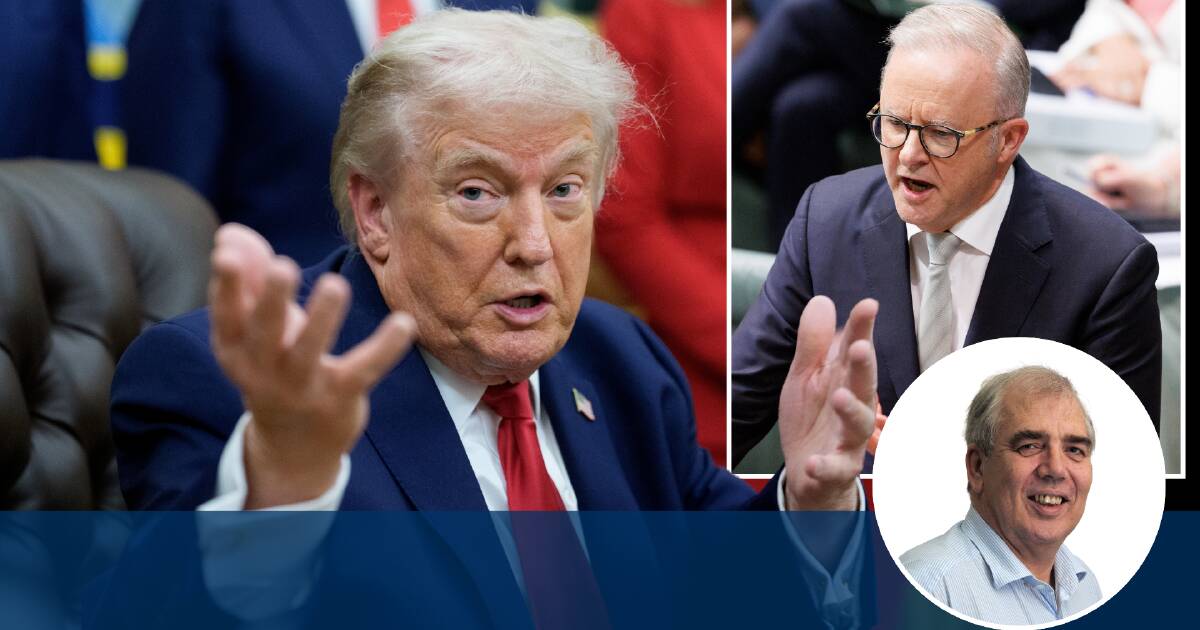

Earlier this month, amidst a flurry of news, former President Donald Trump dismissed approximately 30 ambassadors appointed under the Biden administration. This sweeping action, occurring on the same day as the chaotic release of nearly redacted files from the Epstein case, underscores a significant shift in U.S. foreign policy.
The ambassadors affected by this decision are career diplomats, seasoned professionals whose service spans multiple presidencies, including Trump’s first term. Their roles are crucial, representing U.S. interests in volatile regions across Africa and Asia. These diplomats typically serve short-term assignments to maintain their allegiance to the American people rather than becoming entrenched in their host nations.
Career vs. Political Appointees
Distinct from career diplomats are politically appointed ambassadors, selected by the president. Each administration nominates ambassadors to about 40 countries, often key allies, such as major European nations and Australia. These positions are frequently filled by presidential friends or donors. For instance, former President Biden appointed Caroline Kennedy, daughter of President John F. Kennedy, as ambassador to Australia. In contrast, some appointments, like sending former NFL star Herschel Walker to the Bahamas, have been viewed as symbolic.
Trump’s decision to recall these career diplomats raises questions about their potential replacements. He may choose to fill these positions with political appointees, who often lack the nuanced expertise required for diplomacy in complex environments, or he may leave the posts vacant altogether.
Trump’s Foreign Policy Vision
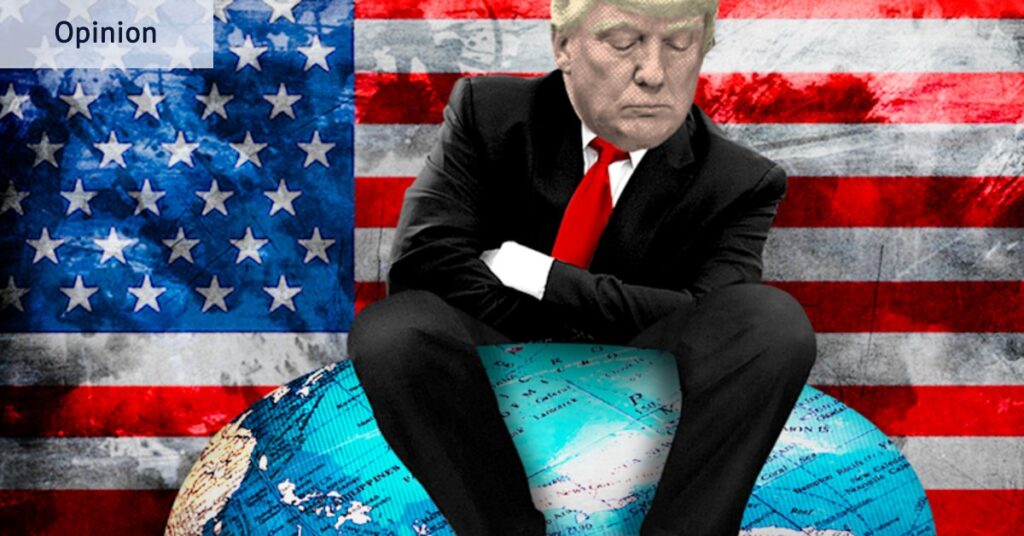
This move reflects Trump’s broader perspective on global diplomacy. He views the current geopolitical framework as irreparably flawed, believing it has led to prolonged conflicts and unnecessary complexities. Trump’s approach favors direct, personal relationships over traditional diplomatic channels, as seen in his high-profile meetings with leaders like Volodymyr Zelensky, Vladimir Putin, and Xi Jinping.
The ambassadorial firings are emblematic of a broader shift in U.S. foreign policy over the past year. Traditionally, American power was exerted through a vast diplomatic network, with programs and relationships enduring across administrations. Now, key ambassadorial positions remain vacant in strategic locations like Australia, Ukraine, Russia, Saudi Arabia, and Germany, leaving these relationships to be interpreted through Trump’s social media communications.
Implications for Global Diplomacy
Australia, for instance, has been without a credentialed U.S. ambassador for over a year, highlighting a diminished focus on the Asia-Pacific region. Trump’s reliance on direct communication with Xi Jinping, even as China conducts military drills around Taiwan, underscores this shift.
The dismantling of diplomatic agencies during Trump’s second term has further eroded the U.S.’s ability to counter China’s growing influence. While American diplomats traditionally cultivated long-term relationships to balance global power dynamics, the focus has shifted to Trump’s personal brand.
“The job of an ambassador is to build alliances, understand local cultures, and foster bilateral investments,” noted a former U.S. diplomat.
China, meanwhile, has capitalized on this retrenchment, expanding its influence in developing nations through initiatives like the Belt and Road. In Laos, for example, the soon-to-be-recalled U.S. ambassador, Heather Variava, has worked tirelessly to maintain U.S. presence amid China’s growing sway.
Future Challenges and Strategic Considerations
As American diplomatic efforts turn inward, China is poised to fill the void. In the Pacific Islands, where the U.S. has lacked ambassadorial presence, China has made significant inroads with infrastructure investments, leaving the U.S. struggling to catch up.
Australia, in particular, faces the consequences of this diplomatic gap. In the Asia-Pacific, where power vacuums are quickly filled, China and other regional powers are eager to step in. New infrastructure projects can emerge swiftly, while Trump’s new appointees settle in.
Looking ahead, Trump’s use of U.S. diplomatic platforms for personal glorification may force allies like Australia to reassess their strategic alliances. Over time, this could render the U.S. an unreliable security partner, prompting Australia to prepare for a shifting geopolitical landscape.
As the U.S. navigates these changes, the international community watches closely, anticipating the long-term effects of Trump’s foreign policy vision.