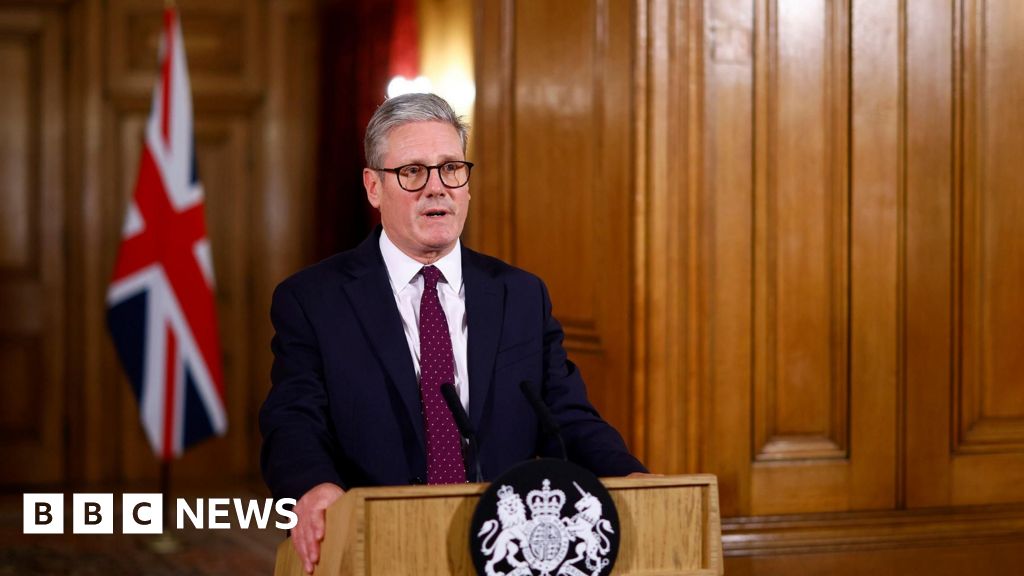



On January 7, 2026, President Donald Trump announced the United States’ withdrawal from the United Nations Framework Convention on Climate Change (UNFCCC), a pivotal global treaty aimed at addressing climate change. Trump justified the decision by claiming the treaty conflicted with U.S. interests, though he did not specify which interests were at stake.
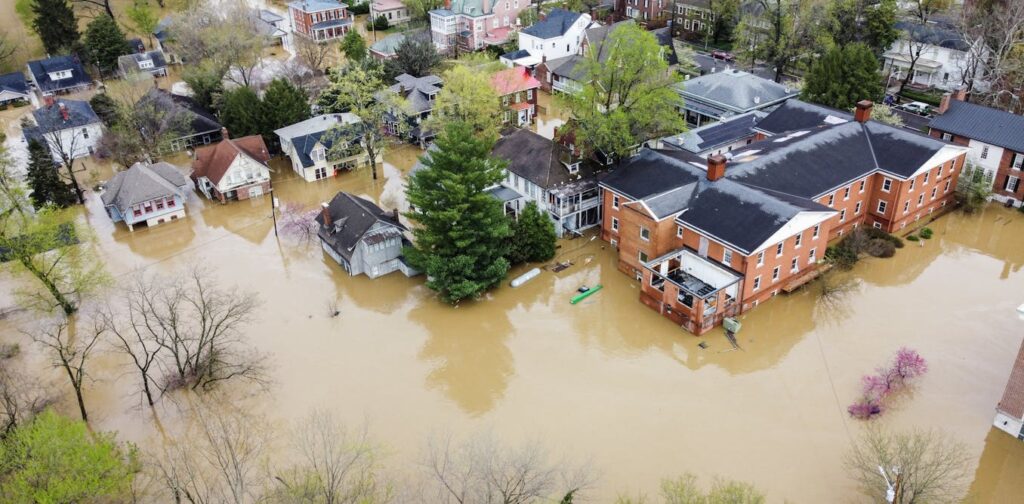
This announcement comes on the heels of a year marked by severe climate-related disasters across the United States, including widespread flooding and devastating wildfires. The year 2025 was recorded as the second- or third-hottest year globally, exacerbating the challenges faced by insurers who are increasingly reluctant to cover properties in high-risk areas.
The Importance of the UNFCCC
The UNFCCC was established to unite nations in the fight against climate change by reducing greenhouse gas emissions. The U.S. withdrawal from this treaty signifies a significant shift in its climate policy, further distancing the nation from global efforts to mitigate environmental risks.
Historically, the United States played a crucial role in the formation and ratification of the UNFCCC. The treaty, ratified by the U.S. Senate in October 1992 and signed by President George H.W. Bush, catalyzed global action, leading to its enforcement in March 1994. The U.S. had been a leader in climate change initiatives, but recent actions under the Trump administration have reversed this trajectory.
Chipping Away at Climate Policy
Since taking office, the Trump administration has systematically dismantled various climate protections. The decision to withdraw from the UNFCCC is the latest in a series of actions that include halting the collection of corporate greenhouse gas emissions data and withdrawing from the Paris Agreement.
In addition, the administration has made several controversial moves that undermine climate science and policy:
- Weakened vehicle emissions standards, reducing the target from 50 miles per gallon to about 34.5 miles per gallon by 2031.
- Joined forces with Russia, Iran, and Saudi Arabia to block a U.N. report advocating for the phase-out of fossil fuels.
- Paused leases for offshore wind farms, threatening investments in clean energy.
These actions have drawn criticism from the scientific community, yet they have been overshadowed by other pressing national issues.
Fossil Fuels at Any Cost
Despite the mounting evidence of climate change impacts, the Trump administration has prioritized fossil fuel production over environmental protection. This strategy not only increases the risk of climate disasters but also dismantles systems designed to forecast and mitigate such events.
Experts warn that the U.S. withdrawal from the UNFCCC could embolden other countries to retreat from their climate commitments, potentially derailing global efforts to combat climate change. While other nations remain in the treaty and the Paris Agreement, their pledges have weakened, raising concerns about the future of global climate policy.
“The administration’s moves enunciated clearly its strategy to discredit concerns about climate change, at the same time it promotes greater production of fossil fuels.” – Environmental and Economics Scholar
Looking Forward
The implications of the U.S. withdrawal from the UNFCCC are profound, both domestically and internationally. As climate-related disasters become more frequent and severe, the need for robust climate policies and international cooperation is more critical than ever.
Moving forward, the global community will be watching closely to see how the U.S. navigates its role in addressing climate change and whether other nations will follow its lead or strengthen their commitments to protecting the planet.