
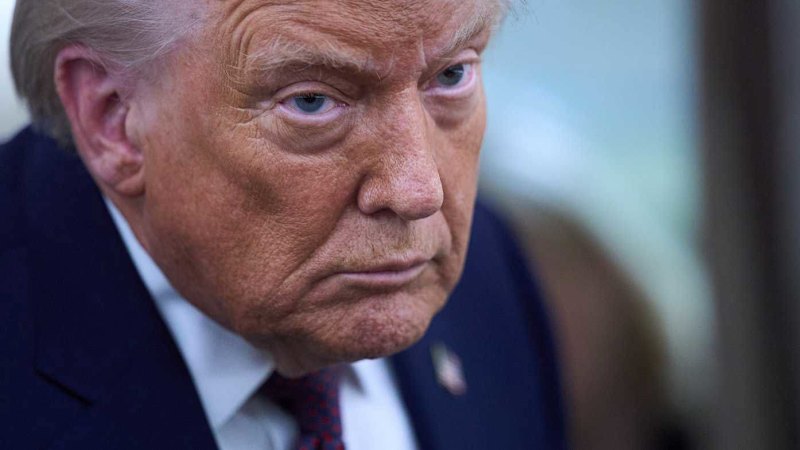
US President Donald Trump has praised British soldiers who served in Afghanistan, marking a partial reversal of earlier comments that sparked widespread criticism in the United Kingdom. The remarks, made on social media, followed a conversation with British Prime Minister Keir Starmer and aimed to mend relations after Trump’s controversial statements about NATO troops.
In a post on Truth Social, Trump lauded the “great and very brave soldiers of the United Kingdom,” emphasizing the enduring alliance between the UK and the US. He described the 457 British servicemen and women who died in Afghanistan, as well as those injured, as “among the greatest of all warriors.” Trump further asserted that the military bond between the two nations is “too strong to ever be broken.”
Context of Trump’s Comments
The praise comes after Trump’s interview with Fox Business Network in Davos, Switzerland, where he questioned the commitment of NATO allies, suggesting that troops from these nations were “a little off the front lines.” His comments drew ire from various quarters, including British families of soldiers who were killed or injured in Afghanistan.
Prime Minister Starmer, in his initial response, called Trump’s remarks “insulting and frankly appalling.” The issue was reportedly addressed during a conversation between Trump and Starmer, where other topics such as the war in Ukraine and Arctic security were also discussed. Downing Street released a statement emphasizing the shared sacrifices of British and American soldiers in Afghanistan.
Historical and Strategic Alliances
Trump’s statements contrast with the historical reality of NATO’s involvement in Afghanistan. In October 2001, following the September 11 attacks, the US led a coalition to dismantle al-Qaeda and its Taliban hosts. This coalition included troops from several NATO countries, marking the first activation of the alliance’s mutual-defense mandate.
“More than 150,000 British troops served in Afghanistan, the largest contingent after the American forces,” a historical note highlights the depth of the UK’s involvement.
Trump’s comments have not only stirred controversy in the UK but have also prompted reactions from other NATO members. Both the Italian and French governments have labeled the remarks as “unacceptable.”
Implications and Future Relations
While Trump’s recent social media post attempts to soothe tensions, the underlying concerns about NATO’s unity and commitment remain. The alliance, which has been a cornerstone of Western military strategy, faces challenges in maintaining cohesion amid differing national priorities and political rhetoric.
Experts suggest that Trump’s remarks could have long-term implications for US-European relations. Dr. Jane Smith, a professor of international relations, noted, “Such comments can undermine trust among allies, which is crucial for collective security arrangements like NATO.”
Looking forward, the focus will likely remain on how the US and its NATO partners navigate these diplomatic waters. As geopolitical tensions continue to rise, the strength and reliability of international alliances will be tested.
For now, Trump’s attempt to backtrack on his NATO comments serves as a reminder of the delicate balance required in maintaining international partnerships, especially those forged in the crucible of conflict.