



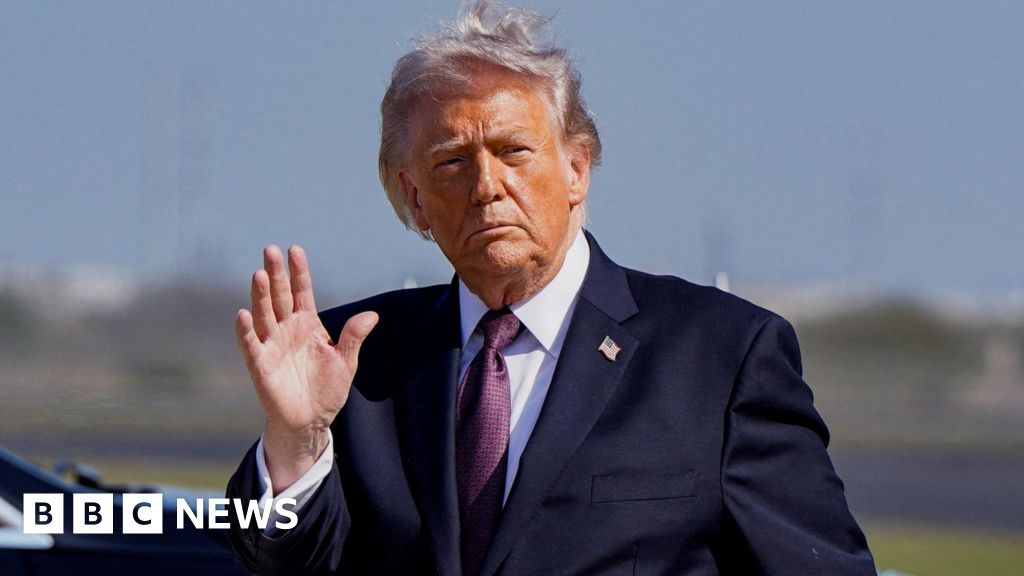
“We don’t need it, we don’t want it, and will not do business with them again!” former President Donald Trump declared in a fiery Truth Social post, announcing a significant policy shift regarding the use of Anthropic AI tools by government agencies. The decision comes amid escalating tensions between Anthropic and the Trump administration over the control and application of AI technologies in military and domestic security contexts.
Trump’s comments arrived just before a crucial deadline set by the Pentagon, which had demanded unrestricted access to Anthropic’s AI tools. Dario Amodei, CEO of Anthropic, had previously resisted these demands, citing concerns over potential misuse in mass surveillance and autonomous weaponry. As a result, the administration has decided to phase out Anthropic’s tools from all government work over the next six months.
Backdrop of the Dispute
The Pentagon’s ultimatum prompted Trump to issue a series of stern warnings on Truth Social, urging Anthropic to cooperate during the transition period or face severe consequences. “Anthropic better get their act together, and be helpful during this phase-out period, or I will use the Full Power of the Presidency to make them comply, with major civil and criminal consequences to follow,” Trump stated.
Anthropic, which has been a key player in government and military AI applications since 2024, responded by expressing its willingness to facilitate a smooth transition to alternative providers if the Department of Defense opted to cease using its tools.
Industry Reactions and Implications
The announcement has sparked reactions across the tech industry. Notably, OpenAI CEO Sam Altman expressed solidarity with Amodei, emphasizing similar ethical boundaries regarding AI deployment. In a memo to his staff, Altman stated, “Any OpenAI contracts for defense would also reject uses that were unlawful or unsuited to cloud deployments, such as domestic surveillance and autonomous offensive weapons.”
Amodei, a prominent figure in the tech world and former OpenAI employee, founded Anthropic after parting ways with Altman over strategic differences. The two companies now compete directly in the AI market, offering a range of chatbots, agents, and other tools.
“This is no longer just an issue between Anthropic and the [Department of War] DoW; this is an issue for the whole industry and it is important to clarify our stance.” — Sam Altman, OpenAI CEO
Broader Industry Concerns
On Friday morning, the tech community’s response intensified as groups representing approximately 700,000 workers from major companies like Amazon, Google, and Microsoft signed an open letter urging their employers to resist Pentagon demands. “Tech workers are united in our stance that our employers should not be in the business of war,” stated the Executive Board of the Alphabet Workers Union.
Earlier in the week, U.S. Secretary of Defense Pete Hegseth summoned Amodei to Washington, D.C., for a meeting that resulted in two conflicting ultimatums. If Anthropic refused to comply, Hegseth threatened to invoke the Defense Production Act, allowing the government to commandeer Anthropic’s products, or to label the company as a “supply chain risk,” effectively barring it from government use.
Amodei remained resolute, stating he would rather sever ties with the Pentagon than yield to such threats. Trump’s latest statement made no reference to these ultimatums, leaving the path forward uncertain.
Looking Ahead
This unfolding saga highlights the growing tension between ethical AI deployment and national security interests. As the phase-out of Anthropic’s tools begins, the broader tech industry faces a pivotal moment in defining its role in defense applications. The outcome of this dispute could set a precedent for how AI companies navigate government partnerships and ethical considerations in the future.
For now, all eyes remain on Anthropic and the Pentagon as they navigate this complex transition, with potential implications for AI policy and industry standards on a global scale.