

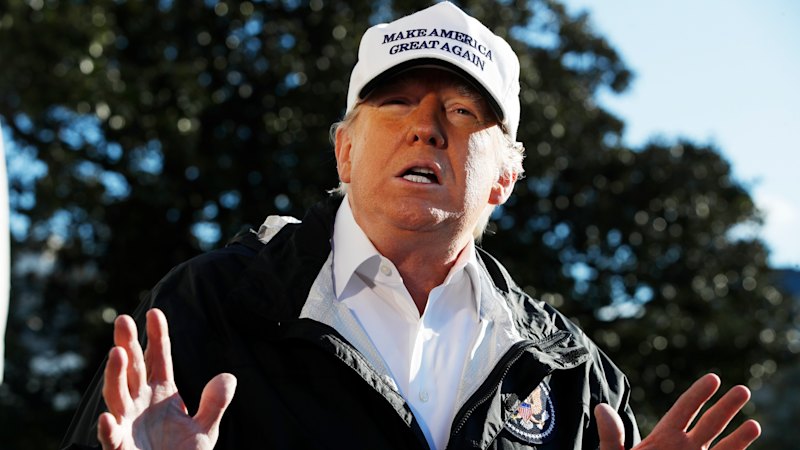
Investors who placed their trust in Donald Trump’s publicly traded media and technology company have emerged as some of Wall Street’s biggest losers this year. Despite a global stock market rally from Amsterdam to Sydney, the performance of Trump Media & Technology Group Corp. highlights the risks associated with investing in ventures led by individuals with a history of business failures.
Thirty-five years after the debt-laden Taj Mahal casino was placed in bankruptcy—marking the first of six such failures by Trump, including other Atlantic City properties, New York’s Plaza Hotel, and Trump Entertainment Resorts—his latest venture, Trump Media & Technology Group Corp., is facing significant financial challenges.
Struggling Financial Performance
Labeling Trump Media as a company might be generous. Its primary asset, the Truth Social platform, trades under the ticker “DJT” and generated just $3.7 million in revenue over the 12 months ending September 30. This pales in comparison to its operating loss of $186.1 million during the same period.
The company’s stock performance has been equally dismal. Shares of Trump Media have plummeted 69% in 2025, making it the worst performer among the 20 internet media services companies in the Russell 1000 Index, according to Bloomberg data. This decline stands in stark contrast to the majority of firms that have appreciated over the same timeframe.
Desperate Strategic Moves
In a move that appears to be a desperate attempt to pivot, Trump Media announced a merger with TAE Technologies, a closely held fusion developer. The deal, which leaves each company with about a 50% stake, temporarily boosted Trump Media’s shares by 33%. However, this still leaves them down approximately 66% for the year. The restructuring will see Devin Nunes, Trump Media’s chairman and CEO, sharing leadership with TAE’s CEO Michl Binderbauer, while TAE board member Michael Schwab will become chairman.
Despite this merger, the outlook remains bleak. The gains in share price likely reflect the diminished role of current Trump Media management in the new entity.
Other Financial Ventures Falter
Trump’s financial ventures extend beyond media, with similarly poor outcomes. In January, Trump launched a memecoin to mark his return to the White House. Initially soaring in value, the memecoin quickly plummeted, resulting in significant losses for those who bought in at the peak.
Additionally, Trump family businesses are mired in litigation and regulatory scrutiny. A planned merger between World Liberty Financial, a crypto start-up run by Trump’s sons, and Canada’s Alt5 Sigma Corporation has encountered difficulties. The $USWLFI tokens have lost about half their value, and Alt5 Sigma’s shares have dropped 86% since the deal was announced.
Broader Market Context
The financial struggles of Trump Media are particularly striking in a year when all 84 equity indexes tracked by Bloomberg have shown gains for the first time since 2019. Trump Media’s shares peaked at $42.91 in January, only to fall to as low as $10.29 in November, closing at $14.86 on Thursday.
These losses are even more painful for early investors who bought in when Trump Media went public in March 2024 through a merger with Digital World Acquisition Corp. At that time, shares reached as high as $66.22.
The company’s initial regulatory filings painted an optimistic picture, highlighting a “broad potential user base” with “demonstrated brand awareness.” However, the lack of professional stock analyst coverage and absence of target share prices or revenue estimates underscore the challenges facing Trump Media.
Implications and Future Outlook
Trump’s rise to political prominence was partly fueled by a narrative that government was broken and only a businessman could fix it. Yet, the financial outcomes of his ventures raise questions about the suitability of a businessman with a track record of self-enrichment at the expense of others.
While Trump Media’s struggles are significant, they are not isolated. The broader implications for investors and the market highlight the importance of due diligence and skepticism when evaluating high-profile ventures.
As the financial landscape continues to evolve, investors will need to carefully assess the potential risks and rewards of investing in companies with controversial leadership and uncertain prospects.