
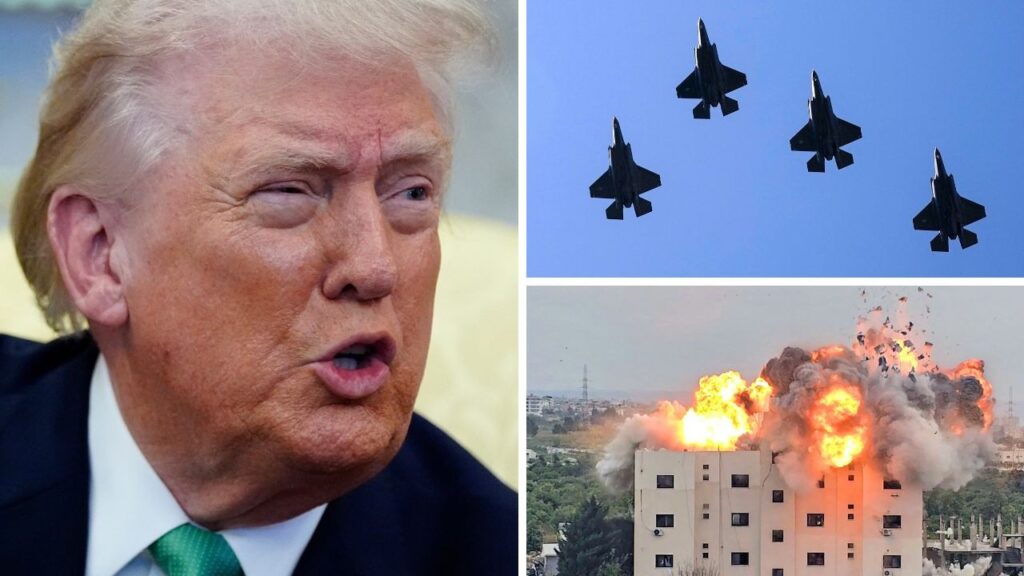
In a bold statement from the Oval Office, US President Donald Trump has set his sights on Cuba, declaring his intention to “take” the island nation in some form. “I do believe I’ll be having the honour of taking Cuba,” he told reporters, emphasizing the country’s weakened state and positioning it as a potential target for US intervention.
The announcement comes as President Trump has already removed two significant leaders this year—Venezuela’s President Maduro in January and Iran’s Ayatollah Ali Hosseini Khamenei in February. While these actions have not resulted in regime change, they underscore Trump’s aggressive foreign policy stance.
Mounting Pressure on Cuba
The proximity of Cuba, just 145km from Florida’s coast, has kept it at the forefront of Trump’s strategic considerations. Following the removal of President Maduro, Trump labeled Cuba a “clear and present danger,” accusing its communist government of actions harmful to the United States. Consequently, the White House has intensified sanctions and threatened tariffs on nations supplying Cuba with oil, leading to severe economic strain in Havana.
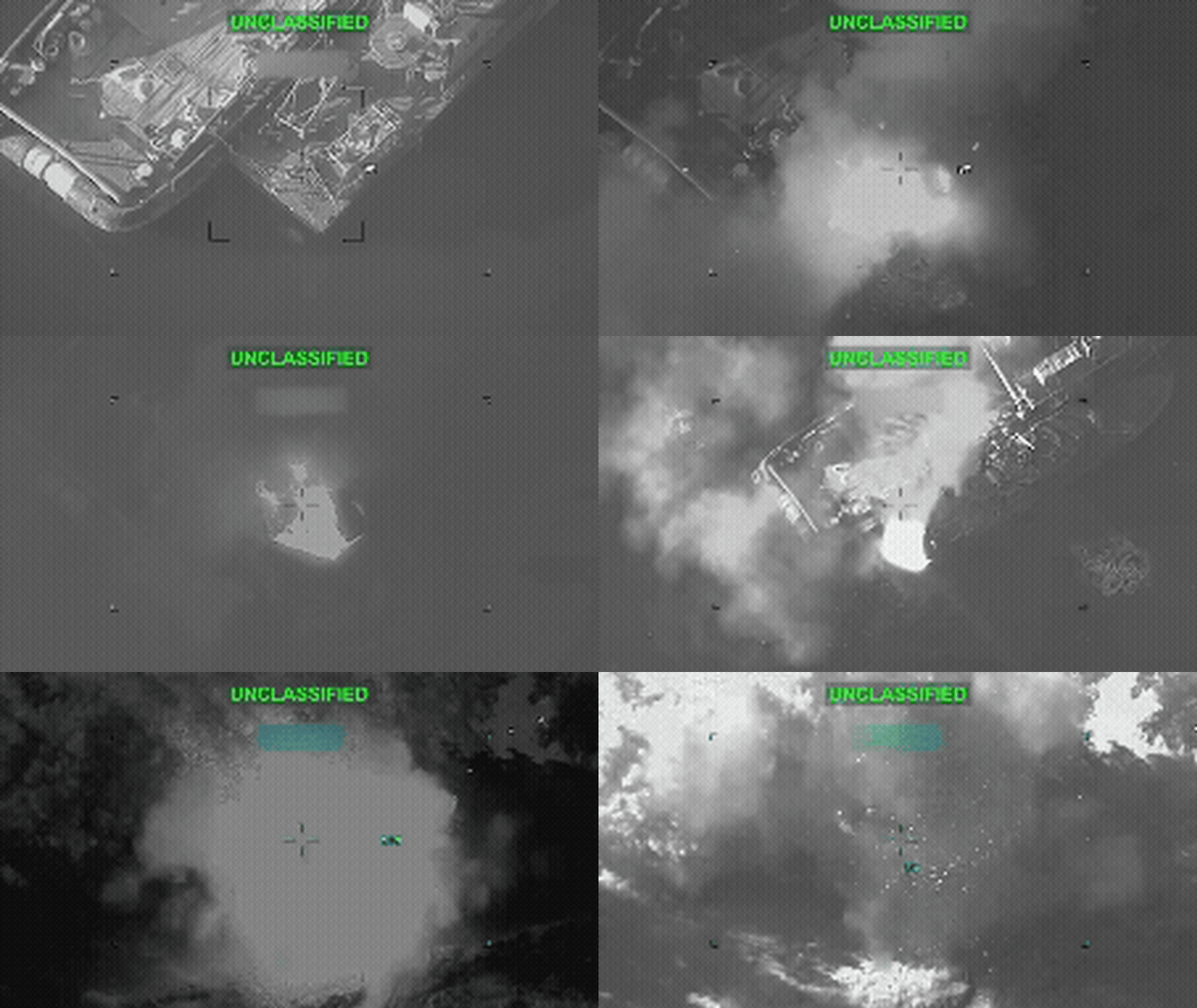
President Trump has hinted at a potential military intervention, stating, “It may be a friendly takeover. It may not be a friendly takeover.” With US military forces already stationed in the Caribbean, the possibility looms large. National security analysts Professor William LeoGrande and Peter Kornbluh warn that if Cuba does not comply, military action could be on the table.
Political and Economic Implications
President Trump’s focus is not only on removing Cuba’s Communist Party Chairman Miguel Díaz-Canel but also on opening the island to US corporations. However, Díaz-Canel has publicly resisted, asserting Cuba’s readiness to defend its sovereignty against external aggression. Despite this defiance, there are indications of ongoing negotiations with Washington.
According to international relations analysts Professor Rut Diamint and Laura Tedesco, Cuba is facing internal pressures, including blackouts, protests, and accelerating emigration. “The revolution seems close to its final chapter,” they note, though the outcome remains uncertain.
Historical Context and Current Crisis
Cuba’s economic woes are long-standing, exacerbated by both internal governance issues and external sanctions. The US embargo, in place since Fidel Castro’s rise to power in 1959, has been a significant factor. Recent oil blockades have further crippled the economy, leading to shortages in essential services and growing public unrest.
President Trump’s executive order on January 29 outlined a zero-tolerance policy towards Cuba’s communist regime, drawing parallels to the US stance on Iran. Despite the hardline approach, Trump has suggested the possibility of a deal, though the terms remain stringent.
The Uncertain Future
As tensions escalate, the potential for a rapid dismantling of Cuba’s government presents both risks and opportunities for the Trump administration. While a successful intervention could bolster Trump’s foreign policy credentials, it also risks backlash from both international and domestic audiences.
Experts warn that Washington’s demands for political change could provoke resistance from within Cuba, potentially leading to instability. “Demands from Washington for political change, even symbolic ones, may be too bitter a pill,” LeoGrande and Kornbluh caution, highlighting the delicate balance of power and sovereignty at play.
Ultimately, the future of US-Cuba relations remains uncertain. While the Trump administration seeks to reshape the island’s political landscape, the resilience of Cuba’s government and people may yet defy external pressures, maintaining a status quo fraught with challenges.