


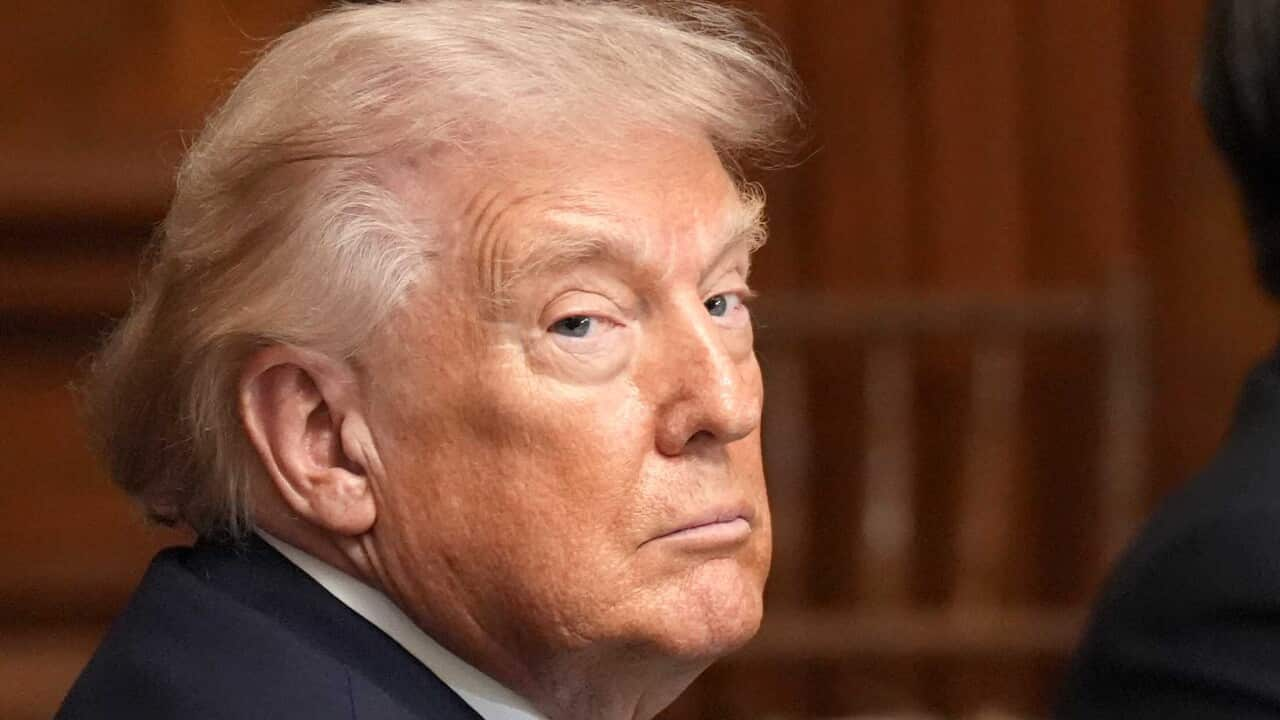
United States President Donald Trump has sparked controversy with a fiery statement dismissing the need for Australian assistance in the ongoing tensions over the Strait of Hormuz. This outburst, made on Truth Social, also targeted NATO and other countries for not supporting the U.S. military efforts in the Middle East.
In his post, Trump claimed that “most” NATO allies had expressed reluctance to get involved, despite a general agreement with U.S. actions. He specifically mentioned Australia, stating that it was among the countries from which he neither “need[s] nor desire[s]” assistance.
“Because of the fact that we have had such Military Success, we no longer ‘need,’ or desire, the NATO Countries’ assistance — WE NEVER DID! Likewise, Japan, Australia, or South Korea. In fact, speaking as President of the United States of America, by far the Most Powerful Country Anywhere in the World, WE DO NOT NEED THE HELP OF ANYONE!”
Background on the Strait of Hormuz Crisis
The Strait of Hormuz, a vital shipping lane in Iran, is responsible for transporting 20 percent of the world’s fuel. Recently, Iran’s effective blockade of the strait has resulted in a significant spike in global oil prices, soaring by 40-50 percent. In response, Trump had called on U.S. allies to contribute naval forces to secure the passage.
Last week, Trump urged nations including China, France, Japan, South Korea, and the UK to deploy warships to the region. However, the appeal was met with a lukewarm response from many European leaders.
International Reactions and Political Implications
British Prime Minister Keir Starmer emphasized the importance of a “viable” plan to reopen the strait but dismissed the idea of a NATO mission. Similarly, German President Friedrich Merz reiterated that the conflict is not a NATO issue. Meanwhile, China’s Foreign Ministry spokesperson, Lin Jian, stated that Beijing has no interest in military involvement in the strait.
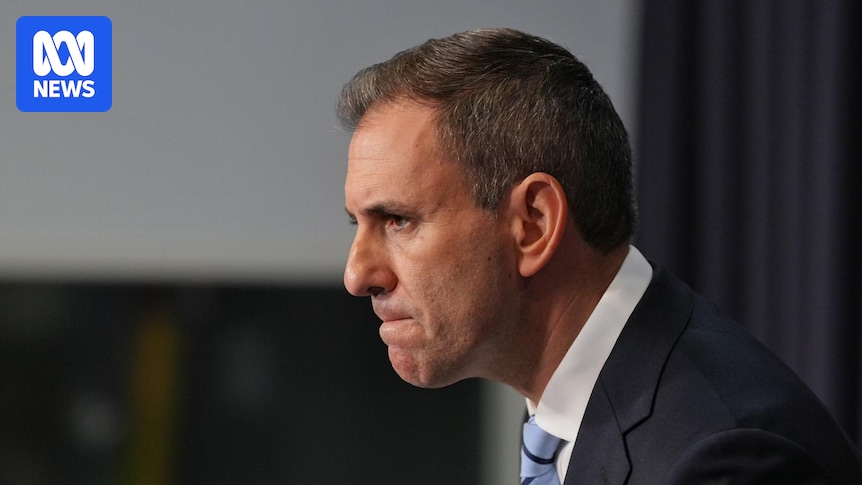
In Australia, Treasurer Jim Chalmers clarified that there had been no formal U.S. request for naval support. “There wasn’t a formal request to send ships to the strait, and it’s not something that we’ve been considering,” Chalmers told ABC Radio.
Former Australian Prime Minister Malcolm Turnbull, a vocal critic of Trump, criticized the U.S. president’s approach, suggesting that it reflects a belief in “might is right.” Turnbull warned that sending Australian ships could exacerbate tensions with Iran.
Economic Concerns and Strategic Considerations
The blockade’s impact on global oil prices has raised concerns about the broader economic implications. Chalmers noted the uncertainty surrounding the duration of the conflict and the potential for a swift economic recovery post-hostilities.
“The key uncertainty is how long this thing drags out for and also reasonable assumptions about how quickly the global economy can get back on its feet if there was an end to the most dramatic hostilities,” Chalmers said.
Defence Minister Richard Marles indicated that any decision to participate would be evaluated based on national interest, although no direct request had been made to Australia.
Trump’s Broader Strategy and Internal Challenges
Trump’s comments coincide with a broader critique of NATO, questioning its reliability and suggesting a reevaluation of the U.S. relationship with the alliance. During a meeting with Irish Prime Minister Micheal Martin, Trump described NATO’s stance as a “very foolish mistake.”
Meanwhile, internal dissent within the U.S. administration became evident with the resignation of high-ranking counter-terrorism official Joe Kent. In his resignation letter, Kent criticized the war in Iran, citing undue influence from Israel and its American lobby.
“Iran posed no imminent threat to our nation, and it is clear that we started this war due to pressure from Israel and its powerful American lobby,” Kent stated.
This development underscores the complex geopolitical landscape and the challenges facing international alliances as global powers navigate the delicate balance of military intervention and diplomatic resolution.