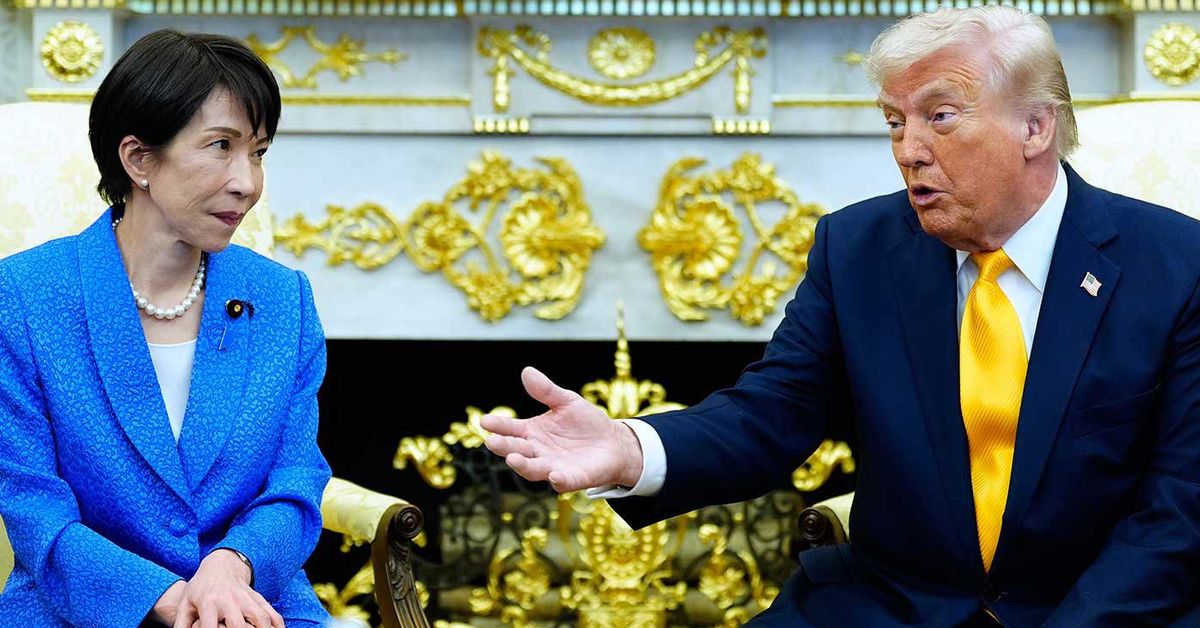
In a striking moment during an Oval Office press event, former President Donald Trump drew a controversial parallel between his military actions in Iran and the infamous Pearl Harbor attack. The comment was made in response to a question posed by a Japanese reporter about why Trump had not informed his allies, including Japan, about the military actions in Iran beforehand.
“Who knows better about surprise than Japan?” Trump remarked, before adding, “Why didn’t you tell me about Pearl Harbor? No, you believe in surprise, I think much more so than us, and we had to surprise them and we did.”
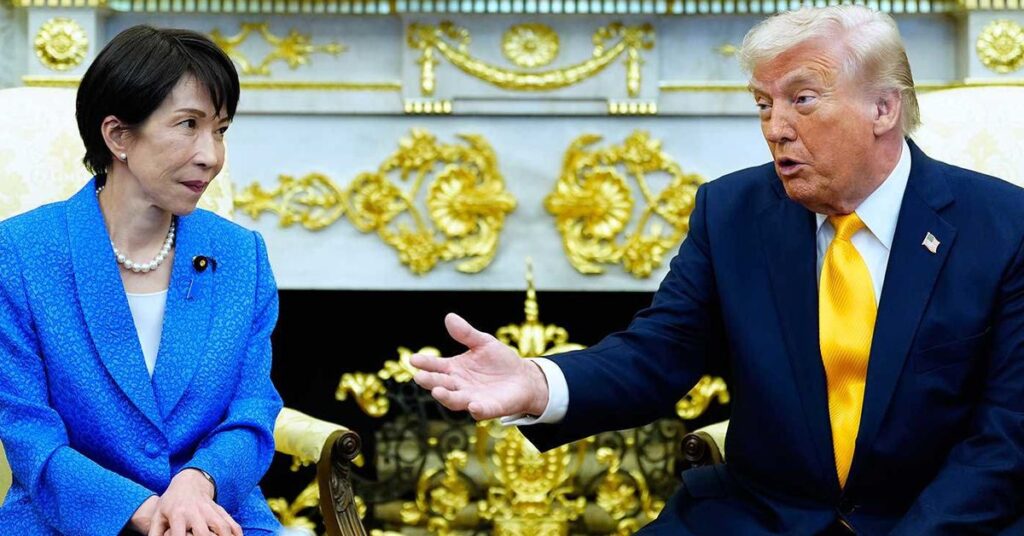
Sitting beside him, Japan’s Prime Minister Sanae Takaichi appeared visibly uncomfortable, shifting in her seat as Trump spoke. Neither Trump nor Takaichi were alive during the 1941 attack on Pearl Harbor, which led to the United States’ entry into World War II.
Immediate Reactions and Social Media Buzz
The exchange quickly gained traction online, with Trump’s son, Eric Trump, sharing a video of the moment on the social media platform X, accompanied by two laughing emojis. “One of the great responses to a reporter in history!” Eric Trump commented.
The reference to Pearl Harbor has been widely reported in Japanese media, sparking discussions about the historical sensitivities of such comparisons. The comment also came as Trump urged Japan to increase its support for the U.S.’s military operations in Iran.
Historical Context of Pearl Harbor
The surprise attack on Pearl Harbor by Japan on December 7, 1941, was a pivotal moment in world history, marking the United States’ entry into World War II. The attack resulted in significant loss of life and naval assets, and it has remained a sensitive topic in U.S.-Japan relations.
Trump’s comparison of his military strategy to Pearl Harbor has been seen by many as a diplomatic faux pas, particularly given the historical weight of the event. The attack on Pearl Harbor has long been a point of contention and reflection between the two nations, influencing diplomatic relations for decades.
Japan’s Response and International Implications
During the press event, Prime Minister Takaichi offered vague words of support, stopping short of any concrete commitments to the U.S. military efforts. “Only you … can achieve peace across the world,” she said to Trump, emphasizing her willingness to collaborate with international partners to achieve shared objectives.
So far, none of America’s major allies have committed military support for the U.S. operations in Iran, highlighting the complexities of international military alliances and the challenges of garnering support for unilateral military actions.
Expert Opinions and Future Prospects
Experts have weighed in on the potential ramifications of Trump’s remarks. Dr. Hiroshi Tanaka, a professor of international relations at Tokyo University, noted that “such comments can strain diplomatic relations, especially when they touch on historical wounds.”
“The U.S.-Japan alliance is strong, but it requires careful handling of historical sensitivities,” Dr. Tanaka added.
Meanwhile, political analysts suggest that Trump’s comments could complicate efforts to secure broader international support for military actions in Iran. The situation underscores the importance of diplomatic tact and historical awareness in international relations.
As the world watches the developments in Iran and the responses of global powers, the implications of Trump’s remarks remain to be seen. The coming weeks may reveal whether the former president’s call for increased support will be met with action or further diplomatic challenges.