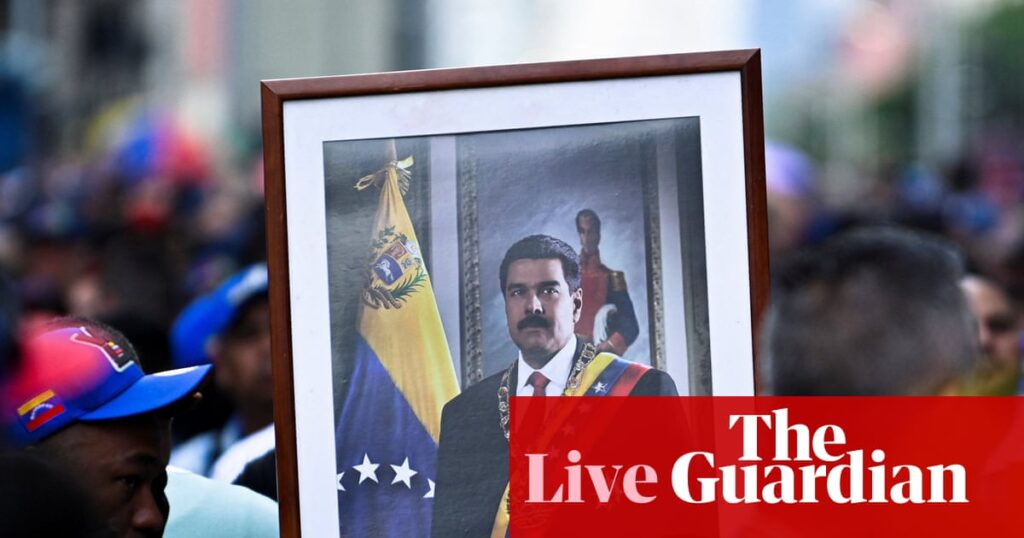
The Trump administration is reportedly preparing to meet with top U.S. oil executives following the capture and detention of Venezuelan leader Nicolás Maduro. This move, reported by Reuters, aims to revitalize U.S. oil production in Venezuela after nearly two decades of Venezuelan control over American energy operations in the region.
Despite President Trump’s claims of having held discussions with major oil companies, sources indicate that Exxon Mobil, ConocoPhillips, and Chevron have not yet engaged in talks with the administration regarding Maduro’s ouster. This discrepancy raises questions about the administration’s strategy and communication as Venezuela’s political landscape undergoes significant changes.
Political Reactions and Implications
Senate Minority Leader Chuck Schumer criticized the Trump administration for lacking a clear plan for Venezuela’s future. Speaking on the Senate floor, Schumer warned that Trump’s vague statements about the U.S. taking control could lead to chaos. “Maduro is a tyrant, but the crucial question is what comes next,” Schumer stated, emphasizing the need for a coherent strategy.
Meanwhile, Senate Republicans have celebrated Maduro’s arrest, labeling him a “narcoterrorist” linked to drug trafficking. They argue that his removal is a positive step, though Democrats remain skeptical of the administration’s approach.
International Response and Legal Concerns
The international community has expressed strong reactions to the U.S. actions in Venezuela. At an emergency United Nations Security Council meeting, several countries, including Brazil, China, and Russia, condemned the U.S. for what they termed a “crime of aggression.” Brazilian Ambassador Sérgio França Danese described the military strikes and Maduro’s capture as a severe violation of Venezuelan sovereignty.
U.N. Secretary-General António Guterres also voiced concerns about the potential for increased instability in the region and questioned the legality of the U.S. operation. He urged Venezuelan actors to engage in democratic dialogue, offering U.N. support for a peaceful resolution.
Asset Freezes and Legal Proceedings
In response to the unfolding events, Switzerland has frozen assets linked to Nicolás Maduro and his associates, aiming to prevent the outflow of potentially illicit funds. The Swiss Federal Council stated that any recovered assets would benefit the Venezuelan people if found to be illegally acquired.
In New York, Nicolás Maduro appeared in federal court, pleading not guilty to charges of drug trafficking and weapons offenses. His wife, Cilia Flores, remains in good spirits, according to her legal team, as they prepare to challenge the evidence against her.
Public Opinion and Future Prospects
A Reuters poll conducted among 1,248 U.S. adults revealed mixed reactions to the U.S. military intervention in Venezuela. Only 33% approved of the action, while 34% disapproved, and the remaining respondents were undecided. The survey highlighted a partisan divide, with 65% of Republicans supporting the intervention compared to only 11% of Democrats.
As the situation develops, the Trump administration faces mounting pressure to clarify its strategy and address concerns about further military involvement in the region. The international community continues to watch closely, with potential implications for U.S. foreign policy and global diplomatic relations.
With Delcy Rodríguez sworn in as Venezuela’s interim president, the country’s political future remains uncertain. The coming weeks will be crucial in determining the path forward for both Venezuela and U.S. interests in the region.