




When an embalmed rabbit in a Perspex box arrived at the dump in Chingford, north-east London, last year, Lisa Charlton knew she had to save it from landfill. This peculiar item, with its fur-covered head and exposed organs, was once used to teach veterinary students about the digestive system. Charlton, who manages the recycling centre’s onsite ReUse shop, was confident that one of her regular customers, a man with a penchant for the bizarre, would purchase it—and he did.
Charlton has been working at the ReUse shop for a year and a half, salvaging a wide range of items from furniture and toys to vintage crockery and antique vases. Her sister, who runs a shop in Cornwall, benefits from some of these finds, such as cast-iron cauldrons perfect for her crystal and healing business. Charlton muses about the potential for a “Del Boy moment” when someone might buy an item for £2 and sell it for a profit, though she admits, “we’re not experts.”
Chingford’s Recycling Hub
The Kings Road Reuse and Recycling Centre, opened in 1994 on a former playing field on the outskirts of Waltham Forest, is a bustling hub even on a cold, rainy Friday morning. Visitors are guided by brightly colored signs to dispose of their unwanted items in large containers accessible by metal staircases. The seamless operation is managed by waste management crews in orange hi-vis jackets.
Throughout the day, locals come to shed their unwanted belongings. Among them are two brothers renovating their third house, a woman dropping off unused paint, and Guy Lester, who is finally clearing out old bathroom tiles after 20 years. “It’ll please the wife that the rubbish bags are out of the way,” he remarks.
The Growing Tide of Waste
Almost everything finds a place at the recycling center, whether in the shop or in designated sections for fridges, dishwashers, and more. The UK disposes of 1.6 million tonnes of furniture and bulky waste annually, with 42% being furniture. The total waste from UK households was 25.9 million tonnes in 2023, a 1% increase from 2022. England, responsible for 84% of this, has seen its recycling rates decline.
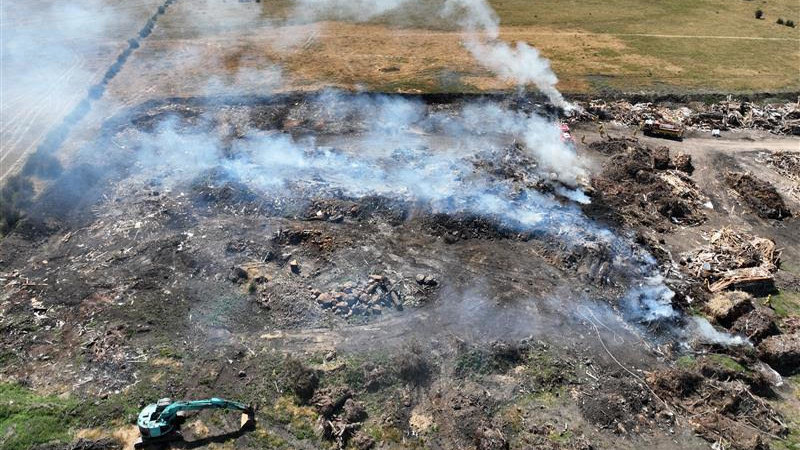
“Illegal dumping has reached crisis point, with about 8,000 illegal sites containing approximately 13 million tonnes of rubbish.”
Steve Myhill, a retired support officer, frequently visits the center. After clearing out his late mother’s flat, he became a regular, donating many of her belongings. He often visits the ReUse shop, buying items like an arts and craft cabinet and a wooden art deco mirror. “The trick is to not go back with more stuff than I arrived with,” he jokes.
From Waste to Opportunity
Production designer Alison Julian uses the center to find unique items for TV shows and photo shoots. Meanwhile, Victor Ademosu, who runs an upcycling project for youth offenders, finds potential in discarded furniture. “We’re able to pick up stuff at the end of its life that would normally go to landfill,” he explains. His project offers young people an alternative to street life, teaching them valuable skills in repair and entrepreneurship.
Historically, dumps were located on the outskirts of settlements, often in flood-prone areas. Recycling efforts peaked during World War II, with citizens encouraged to “make do and mend.” However, the consumer culture of the 60s and 70s led to a surge in waste, as people began discarding outdated goods.
“Electronic waste has become the fastest-growing waste stream, with an estimated 62 million tonnes produced globally in 2022.”
The North London Waste Authority (NLWA), the second largest in the UK, captured 48,784 tonnes of waste last year, with 74% recycled or composted. Waste-to-energy plants like Edmonton EcoPark provide electricity to the National Grid.
A Vision for the Future
Efforts to address waste are evolving. Clyde Loakes, chair of the NLWA, advocates for a shift towards reuse and repair. The authority offers repair vouchers, encouraging residents to fix household appliances at a reduced cost. “For my father’s generation, reuse was something that he grew up with,” Loakes notes, highlighting the generational shift in attitudes towards waste.
As the day winds down, the center becomes quieter. Anna Hamido, a pastoral worker, finds joy in her visits, often discovering items that hold sentimental value. “It’s nice not to see things go to waste when they’ve got so much more life in them,” Charlton reflects.