




A bedroom should be a sanctuary of calm and relaxation, yet often, design choices meant to be luxurious inadvertently create a tacky atmosphere. According to experts, it’s not usually a single mistake but a series of small missteps that disrupt the intended mood. We spoke with interior designers to uncover the common pitfalls that can make a bedroom look dated and how to avoid them.
Art Choices: Finding the Right Balance
Artwork can significantly influence the ambiance of a bedroom. While vibrant pieces can energize a living room, they may overstimulate a space intended for rest. “Bringing in bright, abstract, modern, colorful art just feels tacky,” says interior designer Andrea Sinkin. “It takes the whole vibe of whatever you do in the bedroom and makes it feel electrified—you need calm and comfort.”
The issue isn’t just about color but also about the intention behind the art. “Mass-produced artwork from big-box retailers is another thing to avoid. It’s generic and lacks character,” adds interior designer Olga Doykhen. Instead, choose art that feels layered and personal, supporting rather than competing with the room’s mood. In a bedroom, restraint and authenticity often appear more luxurious than visual overload.
The Perils of Matching Furniture Sets
Perfectly matched furniture can make a bedroom feel more like a showroom than a personal retreat. “Matching furniture sets are a major no-go. When everything is the exact same color, texture, pattern, and shape, you feel like you’re in a forgettable hotel room more than anything,” says Doykhen.
The problem lies in duplication rather than coordination. “When a bedroom starts to feel tacky, it’s usually because it’s overly decorated instead of ushering in a feeling,” explains interior designer Tina Manis. Instead, focus on thoughtful layering by mixing materials, finishes, and eras, such as pairing a wood nightstand with an upholstered headboard to create depth and warmth.
Decorative Pillows: Less is More
While pillows can add a touch of softness, overdoing it can make a bed look cluttered. “Too many pillows in a bedroom looks tacky,” notes Sinkin. “We all know those pillows come off every night. You look like you’re trying too hard.”
Instead, keep the arrangement thoughtful and streamlined. “A wonderful setup for a bed is your sleeping pillow, then three euro pillows, two king shams, and a body pillow. That’s a total of six decorative pillows,” she advises.
Shiny Surfaces: A Misstep in Luxury
In bedrooms, shine and gloss often fail to convey luxury. High-gloss finishes and overly slick textiles can make a space feel cheap rather than elevated. “Mirrored surfaces and competing patterns may look dramatic at first, but over time they create visual tension,” says Doykhen. “A bedroom should calm the nervous system, not stimulate it.”
Instead, prioritize texture and natural materials. “When you’re getting more value-priced bedding, look for linen, natural materials, cotton, velvets, and wool. Stay away from satin and shine,” advises Sinkin.
The Importance of Rug Size
Scale is crucial in every room, but especially in a bedroom. An undersized rug can make the entire space feel disjointed. “A rug that’s too small is tacky. It makes the room look like it’s floating on a tiny island, and it looks cheap,” says Sinkin. “Always go as big on the rug as possible, making sure that you keep a 6-inch border around the perimeter of the room.”
A properly scaled rug does more than cover the floor; it anchors the furniture and creates cohesion. “A beautiful carpet can add color and movement and can unify the space,” says Joyce Huston, co-founder and lead interior designer at Decorilla.
Technology: Keeping It Discreet
Bedrooms lose their intimate feel when they start to function as offices or gyms. The moment a space begins to multitask, it often stops feeling restful. “Clutter in a bedroom can be very tacky. Clean up, put your things away. Don’t have a treadmill in the corner of your bedroom collecting all your clothes,” advises Sinkin.
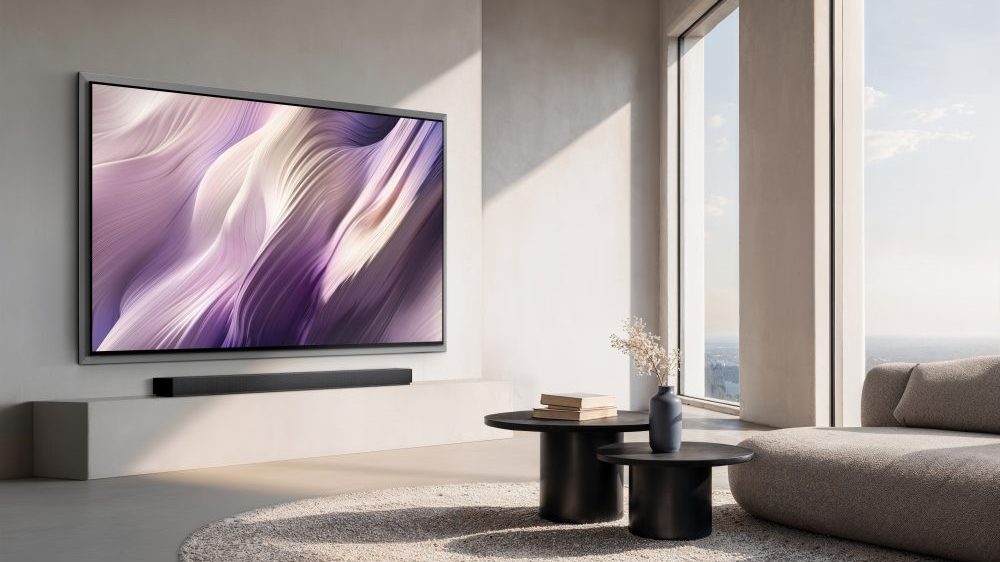
Even entertainment can disrupt the atmosphere. “A TV hanging on the wall with nothing to ground it can also turn a room from tasteful to tacky,” says Huston. Instead, keep technology discreet and contained. If a desk is necessary, opt for one that can close or conceal devices. Ground a television with cabinetry or a console to integrate it into the design. Whenever possible, keep exercise equipment and visible screens out of the room to preserve a sense of calm.
Trend Overload: A Cautionary Tale
Following trends too closely can date a bedroom. What feels current today can feel tired just a few seasons later. “Stick with what you love. Trends, like feature bedroom walls, don’t always age well,” says Doykhen. Ultimately, longevity comes from restraint. “The most elegant bedrooms don’t scream from the rooftops. They simply feel calm and deeply supportive of rest,” she adds.
In conclusion, creating a bedroom that feels both personal and timeless involves careful consideration of art, furniture, and decor. By avoiding common design pitfalls and focusing on authenticity and restraint, you can transform your bedroom into a true sanctuary of relaxation.