



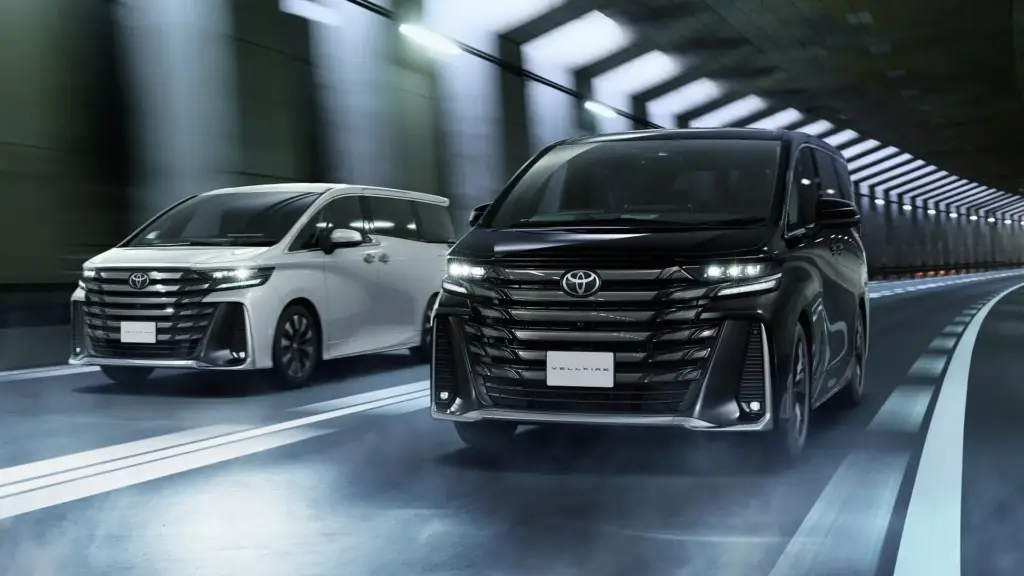
Toyota has confirmed it will not re-enter the Australian people mover market to compete with the popular Kia Carnival, signaling a strategic shift towards luxury offerings. The decision follows the discontinuation of its HiAce-based Granvia earlier this year, as the segment increasingly leans towards high-end models like the Lexus LM, which debuted in Australia last year with a price tag nearing $200,000.
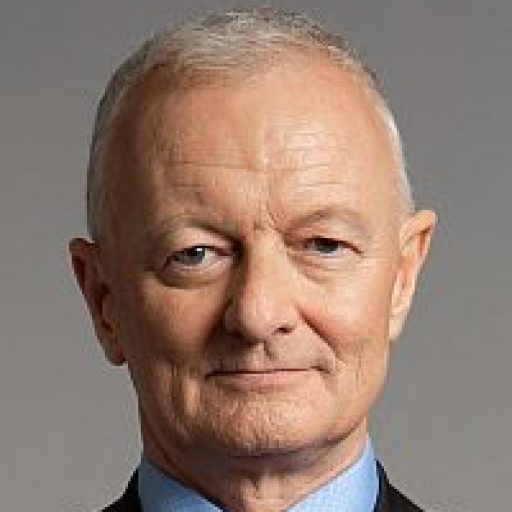
Sean Hanley, Toyota Australia’s vice president of sales, marketing, and franchise operations, stated there are no immediate plans to introduce a new Toyota people mover to local showrooms. He highlighted that the market is evolving towards luxury, making it an ideal fit for the Lexus brand. “That’s kind of where that market is moving, and that is an ideal position for our Lexus brand,” Hanley remarked.
The Changing Landscape of People Movers in Australia
Toyota’s decision reflects broader trends in the Australian automotive market. The sub-$70,000 people mover segment is dominated by the Kia Carnival, which holds an impressive 80 percent market share. Other competitors, including the Hyundai Staria, Ford Tourneo, and LDV Mifa, trail significantly in sales.
In contrast, the over-$70,000 bracket has seen recent expansions with models like the new-generation Volkswagen Multivan, the hybrid Lexus LM, and electric options such as the Volkswagen ID. Buzz, Zeekr 009, and Mercedes-Benz EQV. The luxury segment’s growth indicates a clear consumer shift towards premium offerings.
“If you go into a niche market like Lexus in that high-end luxury people-moving stakes, then for them, it works a treat,” Hanley told Drive.
Market Dynamics and Consumer Preferences
The Australian market’s preference for SUVs over traditional people movers is evident. People movers have accounted for just 1.2 percent of all new car sales in Australia year-to-date, despite modest sales growth compared to 2024. In contrast, large and upper-large SUVs, including Toyota’s Kluger, Fortuner, LandCruiser Prado, and LandCruiser 300 Series, have captured 17.3 percent of new-car sales in 2025.
Final deliveries of the Toyota Granvia occurred in March 2025, with the model discontinued due to low demand and the investment required to meet new safety standards. “We initially planned to upgrade the Granvia to meet the new standard but upon reviewing sales, market conditions, production complexity and future regulations, we decided not to proceed and to instead retire the nameplate,” Hanley explained in a media statement.
Future Prospects and Strategic Considerations
Despite the current stance, Hanley emphasized that Toyota’s decision is not set in stone. The company continues to evaluate its product portfolio in response to market trends. “You never get complacent with your model strategy. You’ve always got to be looking forward and [seeing] where it is going,” he said.
As Toyota focuses on its SUV offerings and luxury segment through Lexus, the company remains open to revisiting the people mover market should conditions change. This flexible approach allows Toyota to adapt to shifting consumer preferences and market dynamics, ensuring it remains competitive in the evolving automotive landscape.