




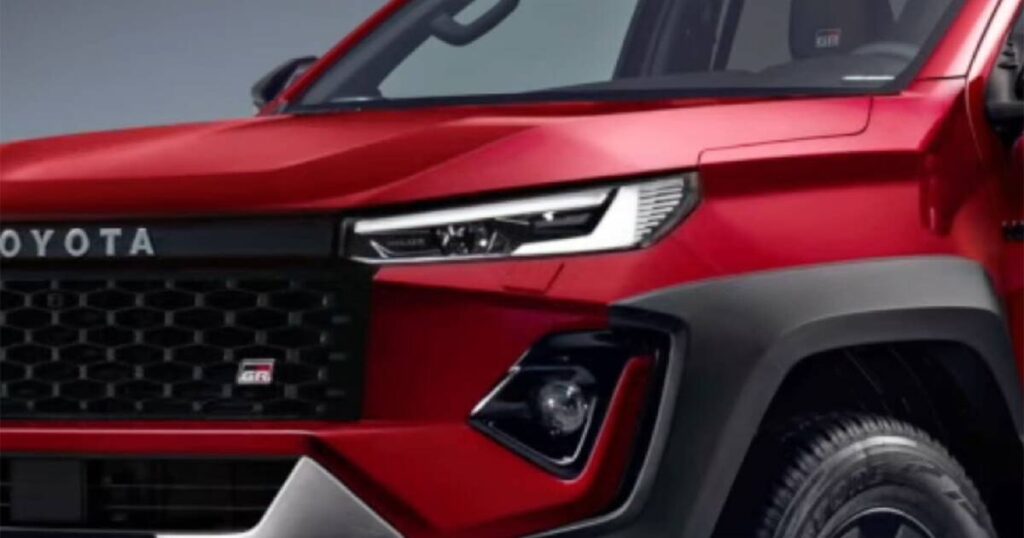
Toyota has invested substantial effort into the development of its current wide-track HiLux GR Sport, a standout in its lineup of top-selling utility vehicles. However, this model is conspicuously absent from the new-generation HiLux offerings, raising questions about its future. Despite Toyota’s branding of the latest model as an “all-new generation,” it appears to be more of an iteration of the outgoing version.
In response to this gap, digital artist Theottle has crafted renderings that envision what the new-generation HiLux GR Sport might look like. These renderings incorporate hallmark features of the current HiLux, including a redesigned front fascia with a squarer grille, thinner headlights, and revised fog light placement. At the rear, updates include a new tailgate embossed with ‘Toyota,’ different tail-lights, a new step for tub access, and a revised sports bar.
Design and Engineering: What to Expect
While the visual updates are intriguing, the core engineering tweaks are expected to carry over from the current model. This includes the outboard damper installation and rear stabiliser bar, which contribute to the vehicle’s robust performance. However, the question remains: what will power the new HiLux GR Sport?
The outgoing model boasted a more potent version of the 2.8-litre four-cylinder turbo-diesel engine, delivering 165kW and 550Nm—an increase of 15kW and 50Nm over the standard version. The new-generation HiLux continues to offer this engine, alongside the V-Active technology 48V mild-hybrid option, which integrates an electric motor without boosting power or torque.
Potential Powertrain Options
If Toyota aims to maintain the HiLux GR Sport’s edge in power and torque, it might retain the enhanced turbo-diesel engine. Alternatively, it could explore increasing the output of the V-Active mild-hybrid system by adjusting turbo boost pressure and fuel injection or incorporating a more powerful electric motor.
Despite speculation, it seems unlikely that Toyota will introduce a high-performance petrol engine to rival the twin-turbo V6 petrol-powered Ranger Raptor. Such a move would echo the TRD HiLux of the late 2000s, which featured a formidable 4.0-litre supercharged V6 petrol engine, still the most powerful HiLux to date.
Market Position and Historical Context
The decision to exclude the venerable 2.7-litre naturally aspirated four-cylinder petrol engine from the new-generation HiLux reflects Toyota’s commitment to environmental standards, as this engine only meets Euro 5 emission standards. Until the anticipated arrival of the new HiLux GR Sport, the Rugged X remains the toughest variant available, based on the Rogue with locally fitted accessories and the standard-track model.
Despite being built on an updated version of the IMV body-on-frame platform, akin to its predecessor, the new HiLux features the same wheelbase and door skins, with some under-the-skin tweaks enhancing its capabilities.
Looking Ahead
The potential reintroduction of the HiLux GR Sport represents a strategic opportunity for Toyota to solidify its position in the competitive utility vehicle market. As enthusiasts and industry experts await further announcements, the focus remains on whether Toyota will prioritize power enhancements or innovative hybrid solutions to meet evolving consumer demands.
For now, the automotive community eagerly anticipates official confirmation from Toyota regarding the specifications and launch timeline for the new HiLux GR Sport. This development will undoubtedly influence the brand’s trajectory in the utility vehicle segment, shaping its competitive stance for years to come.