

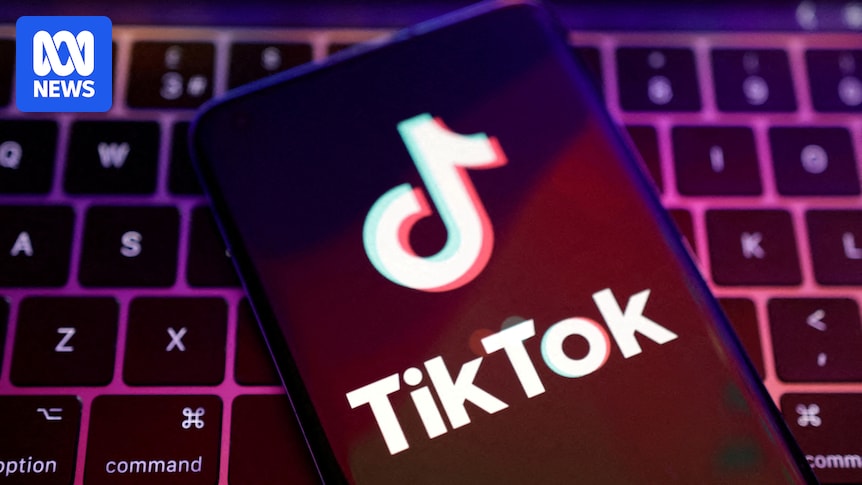
TikTok has finalized an agreement to sell its U.S. operations to a group of American investors, including Oracle, Silver Lake, and MGX, ensuring the popular social media platform’s continued presence in the United States. The deal is anticipated to close by January 22, according to an internal memo obtained by The Associated Press.
In the memo, TikTok’s Chief Executive Shou Zi Chew confirmed that ByteDance, TikTok’s parent company, has entered into binding agreements with the investors. The new U.S. joint venture will see 50% ownership by the consortium, with Oracle, Silver Lake, and MGX each holding a 15% stake. Affiliates of existing ByteDance investors will hold 30.1%, while ByteDance retains a 19.9% share.
Strategic Shift and Security Measures
The U.S. venture will be governed by a new seven-member board, predominantly composed of American directors. This structure aims to address national security concerns that have long surrounded TikTok’s operations in the U.S. The agreement includes provisions to safeguard American user data, which will be stored locally under Oracle’s management.
Furthermore, TikTok’s algorithm, the key to its engaging content feed, will be retrained using U.S. user data to prevent external manipulation. The U.S. entity will also manage content moderation and policy enforcement within the country.
Legal and Political Challenges
This agreement concludes a period of significant uncertainty for TikTok in the U.S., following legislative actions and executive orders aimed at addressing security concerns. Bipartisan support in Congress led to legislation that would have banned TikTok unless it transitioned to American ownership by January 2025. The platform briefly faced shutdown but was kept operational by executive orders from former President Donald Trump.
Trump’s administration issued several orders to extend the deadline for a TikTok deal, despite lacking a solid legal foundation. An initial agreement to spin off TikTok into a U.S.-owned entity collapsed when China withdrew support following a tariff announcement. Subsequent orders in June and September allowed TikTok to continue U.S. operations under specific national security conditions.
Implications and Future Prospects
The resolution of TikTok’s ownership saga represents a significant shift in the tech landscape, highlighting the geopolitical tensions between the U.S. and China over data privacy and national security. The deal with Oracle and other American investors is seen as a strategic move to mitigate these concerns while preserving TikTok’s vast user base in the U.S.
Industry experts suggest that this agreement could set a precedent for other foreign-owned tech companies operating in the U.S., emphasizing the importance of local data storage and governance. The focus on safeguarding user data and preventing algorithmic manipulation aligns with broader regulatory trends aimed at increasing transparency and accountability in the tech industry.
As TikTok transitions to its new ownership structure, the platform will likely continue to evolve its policies and practices to align with U.S. regulatory standards. This development may also influence future negotiations between tech companies and government entities, as the balance between innovation and security remains a critical consideration.
Looking ahead, TikTok’s ability to navigate these challenges and maintain its popularity will be closely watched by both industry analysts and users. The platform’s success in adapting to its new operational framework could serve as a model for other companies facing similar geopolitical pressures.