
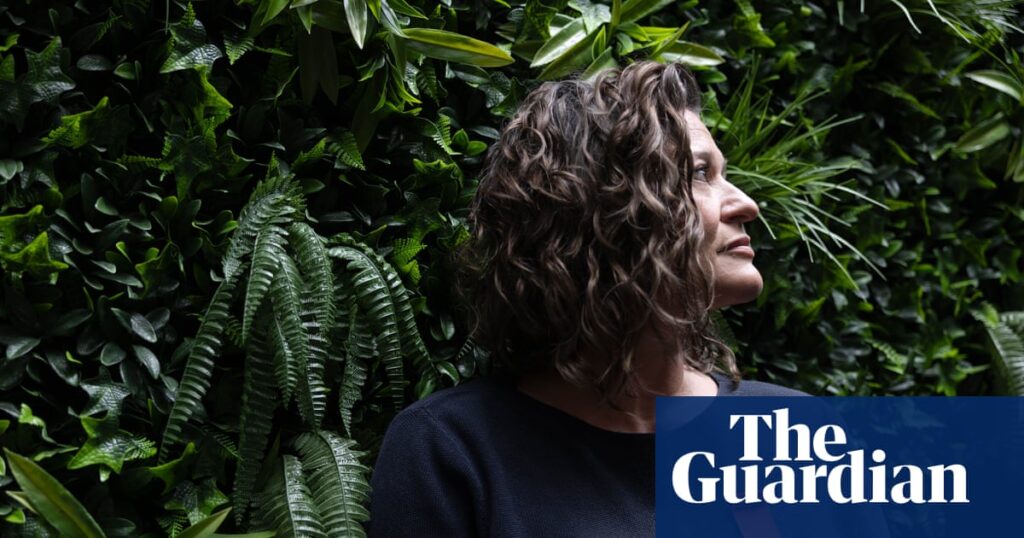
The smell of burning flesh and pulverized concrete is seared into the psyche of Anneke Weemaes-Sutcliffe. On March 22, 2016, the Australian expat was due to check in for a flight when Islamic State suicide bombers detonated two nail bombs inside Brussels airport. Miraculously unharmed, she sprinted to the exit after the second blast exploded meters away from her – but then, risking her life, decided to turn back.
Screams, wailing alarms, and a thick blanket of dust choked the air. The ceiling had caved in. “It turned from buzzing with life to a war zone. It’s horrific, absolutely horrific,” Weemaes-Sutcliffe recalls. Without hesitation, she crawled over debris and bodies to tend to the wounded, tying tourniquets to stop mutilated survivors from bleeding out, comforting them, and calling their loved ones to let them know what had happened.
The Aftermath of Heroism
In the aftermath of mass violence, the instinctive actions of ordinary people such as Weemaes-Sutcliffe offer a counterpoint to horror – flashes of courage that become symbols of hope. Off-duty nurse Lynne Beavis ran towards gunfire rather than to safety during the 1996 Port Arthur massacre in Tasmania to help the wounded; holidaymakers Richard Joyes and Timothy Britten rushed into a burning nightclub in the wake of the Bali Bombings, rail worker Samir Zitouni blocked a knife-wielding attacker on a high-speed train in Cambridgeshire, saving lives and risking his own.
Then there are the bystanders immortalized in the international media by the everyday objects they wielded to halt violence. French citizen Damien Guerot became “Bollard Man” after he confronted the Bondi Junction attacker, who killed six people, in 2024. The Australian government granted him permanent residency for his bravery. In Melbourne in 2018, it was “Trolley Man” Michael Rodgers who fended off a knife attacker with a shopping trolley. Rodgers, homeless at the time, received more than $155,000 in donations before deciding to turn himself into police on historical theft and burglary charges.
The Cost of Heroism
But what happens to these people crowned heroes once the headlines fade? A year after the Brussels attack, Weemaes-Sutcliffe was awarded an Australian Commendation for her bravery, but that recognition has done little to quell the trauma she has endured. Amid the chaos of the airport attack, Weemaes-Sutcliffe tried to heave a beam that had fallen from the ceiling and pinned a man to the ground. It was too heavy to lift. “I had to turn around and leave him there to die,” she says. “You question every single detail – it’s like, could I have done more?”
Psychological Toll
“Society is well-practiced at recognizing acts of bravery but poorly equipped in identifying or addressing the negative consequences,” says Dr. Thomas Voigt, who interviewed 24 Australian bravery award recipients for his PhD studying the consequences of heroism. Nearly 90% of award recipients Voigt interviewed were either diagnosed with post-traumatic stress disorder or displayed symptoms of post-traumatic stress syndrome (a similar but less severe condition). One-third suffered financial hardship because they became unemployed or worked reduced hours due to their condition.
“Generally speaking, there’s lots of media attention and lots of hype, you get your award but then there’s nothing,” Voigt says.
Emergency services staff involved in traumatic events receive structured support, but no formal dedicated services exist for civilians; 71% of those interviewed by Voigt received no formal intervention or support after their act of bravery.
The Media Spotlight
It was Wednesday, July 30, 1997, when thousands of tonnes of liquefied earth descended upon two Thredbo ski lodges, in the New South Wales alpine region, burying 19 people. In the aftermath, Dr. Fiona Reynolds, then an ABC reporter, rubbed shoulders with victims’ family members as they watched rescue crews dig through the rubble, desperately hoping that their loved ones would be found alive.
“And there I am, standing in their space, looking for the next story angle,” Reynolds says. That experience led Reynolds to research how people survive traumatic events in the media spotlight, publishing a PhD in 2019. After mass casualty events, media coverage can help make sense of tragedy but also exacerbate trauma for survivors and grieving families, Reynolds says.
“When you are held up as a hero type, you can naturally feel very special,” Reynolds says. “Then the spotlight moves on. For some people that’s welcome but others feel suddenly unimportant and even discarded.”
Reclaiming Identity and Meaning
The impulse to crown a hero in moments of terror is as ancient as it is universal, says the University of Sydney academic and former journalist Prof. Catharine Lumby. In the wake of unimaginable violence, society often divides events into familiar categories of victims, villains, and heroes.
“It’s a kind of oversimplification of a chaotic event but is also a way of processing uncertainty,” Lumby says. These narratives serve to restore “moral order” when institutions and social norms appear to fail, but can also compress complexity, flattening people into one-dimensional heroes and forever attaching them to the traumatic event, she says.
“One day everybody wants to know you, the next everybody wants to know somebody else.”
Once the public story has been told, the question for survivors is how – or whether – to reclaim meaning on their own terms.
Post-Traumatic Growth
Of the civilian bravery awardees interviewed by Voigt, one in five expressed doubt as to whether, if put in the situation again, they would act the same way. It’s a thought that has crossed Weemaes-Sutcliffe’s mind. “After the bombings, I probably wished I hadn’t gone back in [to the airport], because I messed up my life,” she says, describing years marked by intrusive memories, panic, and enduring guilt for those she could not save.
“But now life is good, I’ll be sitting on the porch looking at the sunset and I think, shit, I probably would have never been in a position to appreciate this as much as what I do if I hadn’t gone through that.”
Coexisting alongside PTSD is post-traumatic growth – the psychological changes or personal development that can occur after trauma. For some, that materializes in pursuing a passion or sudden urge to tick off the bucket list, Voigt says. For Weemaes-Sutcliffe, it’s a greater appreciation for the small joys of life: that glass of wine after work, morning coffee, or delicious piece of cake.
“Because you just never know what will happen tomorrow,” she says. “One day it might be you.”