


GMT336_19_19_Thomas Marshburn_1037_EVA SASA
Imagine a fully automated 3D printer suspended in mid-air, churning out crucial components for use both at home and abroad. Sounds like science fiction? Think again. In-space manufacturing—sometimes called in-orbit or off-Earth fabrication—is rapidly becoming a booming industry.
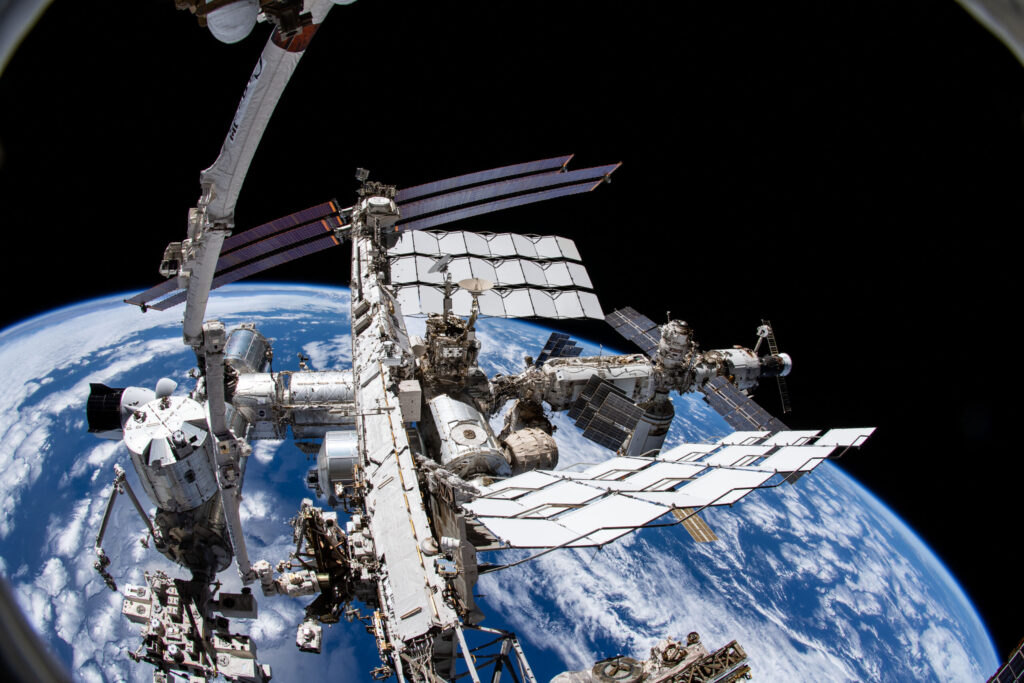
Among the three major types of in-space manufacturing, “space-for-space” describes items made in space for use in space settings, such as the International Space Station, which is larger than a soccer pitch and had to be pieced together in orbit. The second type, “space-for-surface,” involves manufacturing in space for use on other planetary bodies like Mars or the Moon. The third—and most exciting—type is “space-for-Earth,” where objects are made in orbit to be used on Earth. From pharmaceuticals to fiber-optic cables, the potential applications are vast.
The Unique Advantages of Space
Why is space so conducive to manufacturing? Three major elements make it perfect for fabrication: vacuum, low temperature, and microgravity. Microgravity, a weakened force of Earth’s gravitational pull, provides a rare and useful working environment for scientists.
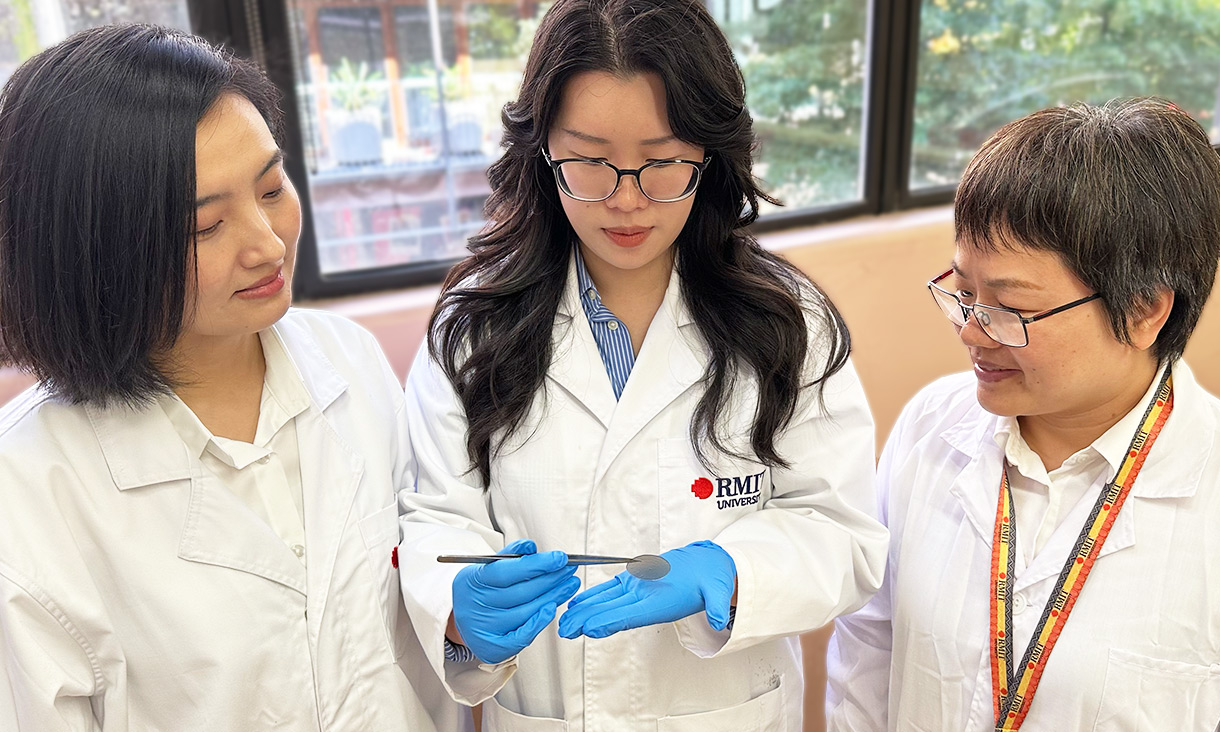
“In space, we have microgravity, which prevents mixing by natural convection,” says Professor Volker Hessel, a space resource and chemical engineering expert at the University of Adelaide.
Despite the term “zero gravity,” a small amount of gravity can be detected everywhere in space, and this microgravity allows experimental tissues to grow with fewer restrictions, yielding more meaningful results. Earth-based labs spend millions attempting to replicate these conditions, but in space, it’s the status quo.
A New Industrial Revolution in Orbit
Some experts claim that almost any industrial process could become more efficient and affordable in space than on Earth. Nanomaterials, crucial alloys, and hyper-specialized semiconductors are just a few examples of products that may soon be made in space.
“Economically, the optical fibers make perfect sense,” says Volker, highlighting that fiber-optic cables are of the highest quality when manufactured in microgravity.
In fact, fiber-optic cables are already being produced on the International Space Station. Additionally, a company named Varda recently crash-landed a space-made HIV/AIDS medication in one of South Australia’s vast deserts, demonstrating the potential for pharmaceuticals manufactured in orbit.
Challenges and Considerations
While the potential of in-space manufacturing is immense, it is not without its challenges. The compactness of space manufacturing presents unique difficulties, such as managing disease outbreaks in space-based vertical farms.
“Say there’s a disease outbreak, which can happen in a vertical farm. How can we manage to solve that?” asks Volker.
Other issues include maintenance costs, long-term viability, the accumulation of space junk, and regulatory challenges like space taxes. These problems require serious thought and have yet to be fully addressed.
The Future of In-Space Manufacturing
Despite these challenges, in-orbit manufacturing is paving the way for a host of innovative technologies. Recent advances in AI and machine learning open new possibilities, such as automated space-based vertical farms, which could revolutionize food production.
As we look to the future, the potential for in-space manufacturing is vast, and the implications for industries on Earth are profound. The floating factories of the future may soon become a reality, offering new solutions to some of the world’s most pressing challenges.