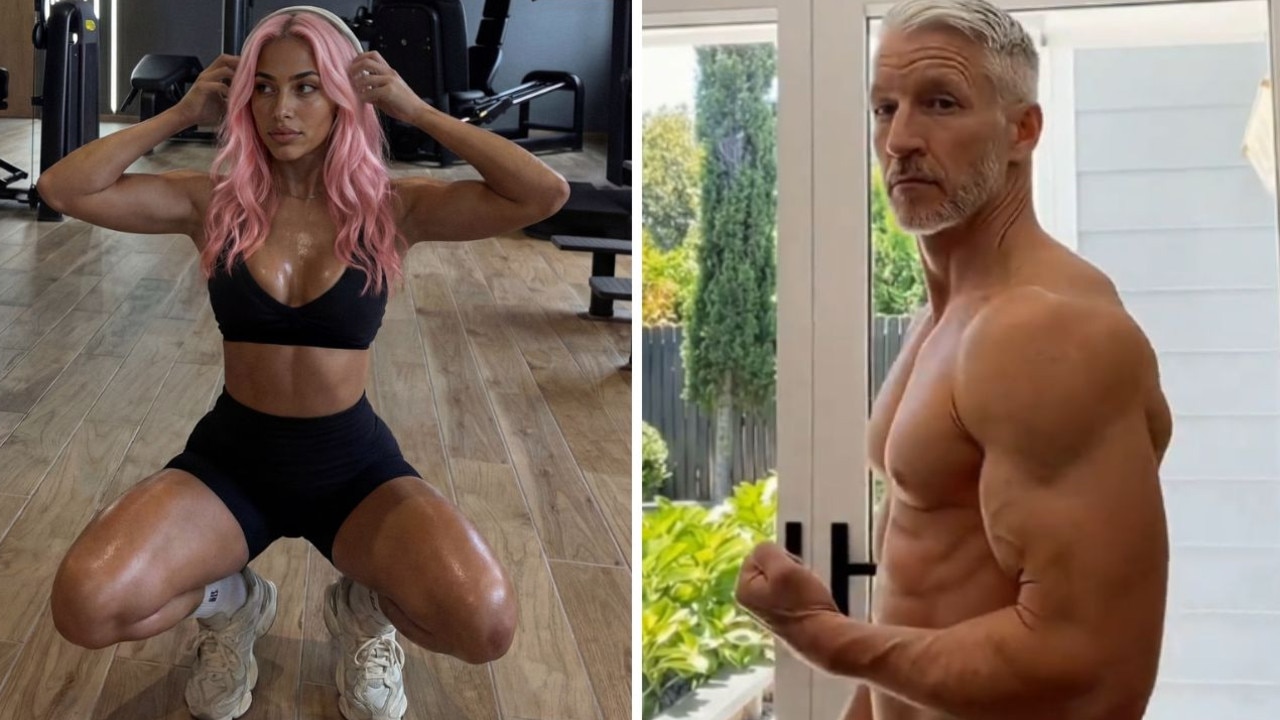
The digital world is abuzz with the revelation that some of the fitness influencers many people follow for health advice might not even be real. The account of Anderson Rhoe, a supposed 67-year-old fitness guru, has captivated millions on TikTok with a dramatic transformation journey. However, experts suggest this account is entirely AI-generated, raising concerns about the authenticity of online content.
Anderson Rhoe’s TikTok account, which has garnered 4.2 million likes and over 25 million views on a single video, showcases a remarkable fitness transformation. Yet, experts like Armin Alimardani from Western Sydney University warn that the content is likely fabricated using advanced AI technology. “It is becoming much harder for the average person to tell what is real online,” Alimardani noted, highlighting the sophistication of such AI-generated content.
The Technology Behind the Deception
The account attributes its success to a fitness app called the 75Me App, but the app’s spokesperson has denied any association with the account. “It’s not our account,” the spokesperson stated, clarifying that they only engage influencers for promotions. News.com.au’s analysis, employing computer vision techniques, confirmed the account’s inauthenticity. The analysis detected a SynthID watermark, indicating Google’s AI involvement, and noted significant AI generation markers like sudden shifts in facial structure.
Alimardani warns that the implications extend beyond a single viral account. “The danger is not just that people may be tricked by a fake account,” he explained. “It is that hyper-realistic AI can industrialise deception in the health and fitness space, promoting unattainable standards and manipulating vulnerable consumers.”
Historical Context and Emerging Trends
The phenomenon of AI-generated personas is not new but is rapidly evolving. Late last year, the introduction of Tilly Norwood, an “AI actress,” sparked controversy. Similarly, Aitana Lopez, a Barcelona-based AI-generated fitness model, became a commercial success despite backlash over transparency. These cases illustrate the growing trend of AI-generated influencers across industries.
Alimardani emphasizes the ease and affordability of creating such content with generative AI. “With generative AI, it is possible to create highly realistic videos in hours or days at very low cost,” he said. The technology’s advancement suggests a future where AI-generated content could be tailored to individual users, making deception even more personal and pervasive.
Spotting the Signs of AI-Generated Content
For now, discerning users can still identify some signs of AI-generated content. Alimardani advises looking for overly polished skin, bizarre glitches, and other imperfections. “The account showcases some good-quality AI-generated content, and by adding some ‘imperfect’ features like lighting and camera angles, they made it even more difficult to figure it out,” he noted.
Other indicators include distortions in hands and fingers, unnatural backgrounds, nonsensical text, and echoes in audio. However, Alimardani warns that these clues may soon disappear as technology improves. “If it looks too perfect, it’s probably AI-generated and should be treated like a scam,” he cautioned.
The Legal and Ethical Implications
The use of AI to promote real products through fake accounts presents legal challenges. Under Australian Consumer Law, misleading or deceptive conduct is illegal. Yet, international accounts like Anderson Rhoe’s operate in a legal grey zone. Alimardani stresses the need for stronger legislation to protect consumers. “By the end of 2026, society will realise that nothing they see on the internet is trustworthy unless it is directly from a reliable source,” he warned.
He advocates for laws requiring clear disclosure of AI-generated content and urges social media platforms to enhance their monitoring and reporting mechanisms. “Social media platforms should be more vigilant about what can be posted, and what report mechanisms are available to flag AI-generated content,” he said.
Ultimately, Alimardani calls on the government to educate the public about the changing nature of the internet. “The internet is now quite different from how they remembered it in 2024 and 2025,” he concluded.
News.com.au has reached out to TikTok for comment, highlighting the ongoing dialogue about the role of AI in shaping digital content.