


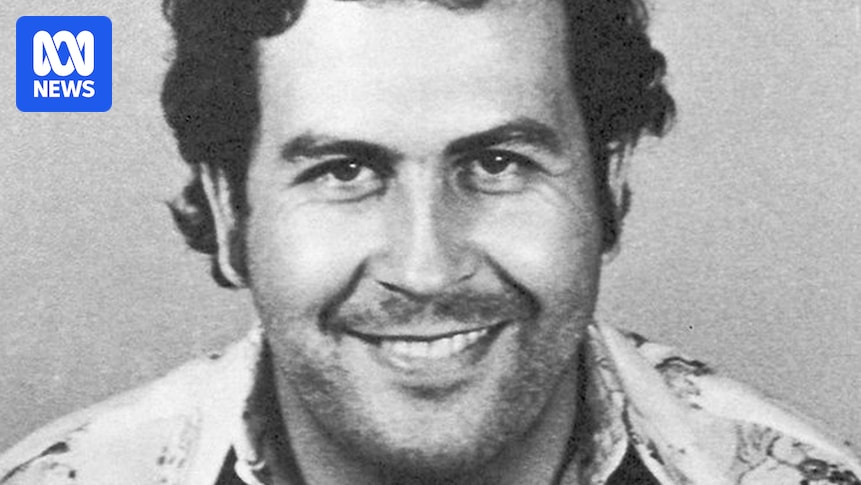
It was a clear afternoon in Colombia on December 2, 1993, when notorious cartel boss Pablo Escobar made a phone call that would seal his fate. Isolated and on the run, Escobar was hiding in a safe house in Los Olivos, a suburb of Medellín. His once-mighty cocaine empire was crumbling, and the call to his son marked the beginning of his end.
For over a year, Escobar had been evading capture after escaping from La Catedral, a luxurious prison he had built for himself as part of a 1991 surrender deal with the Colombian government. The agreement was supposed to keep him safe from extradition to the United States, but he continued to run his drug operations from within the prison walls. When the deal fell apart, Escobar became a fugitive once more.
The Escape and the Final Mistake
Escobar’s escape from La Catedral was a dramatic episode. The prison, located on secluded roads, was designed to prevent any surprise approaches. However, as authorities attempted to move him to a conventional prison, Escobar fled, initiating a year-long manhunt.
On the day of his fateful phone call, Escobar was under intense pressure. The Colombian National Police’s Search Bloc, created specifically to capture him, was closing in. The rival Cali Cartel and a vigilante group known as Los Pepes, supported by US intelligence, also had him in their sights. The phone call to his son, Juan, was intercepted, leading the police directly to his location.
The Hunt Intensifies
The Search Bloc used radio triangulation to pinpoint Escobar’s call. They had set up radio equipment across Medellín to measure the direction of the call from various locations, ultimately leading them to Escobar’s hideout. As the police closed in, Escobar and his bodyguard, Alvaro de Jesus Agudelo, known as El Limon, attempted to escape across the rooftops of the densely built neighborhood.
However, the police were prepared. A gunfight ensued on the rooftops, resulting in the deaths of both Escobar and El Limon. Escobar was shot in the leg and torso, but it was a bullet to the head that proved fatal. While Colombian police claimed responsibility for his death, Escobar’s son later suggested that his father took his own life to avoid capture.
The Aftermath and Legacy
Escobar’s death was met with mixed reactions. The Colombian government and US authorities hailed it as a significant victory in the war against drugs. However, in Medellín’s poorest neighborhoods, where Escobar was seen as a Robin Hood figure, his death was mourned. He was known for funding social programs and providing for the needy, which earned him a complex legacy.
More than three decades later, Escobar’s influence lingers. His life continues to captivate the public, inspiring tours, TV series, books, and even video games. Yet, his greatest legacy is often viewed as a cautionary tale about the destructive power of drugs and violence.
“At its height, Escobar’s drug business was said to earn more than $30 billion a year.”
Escobar’s story serves as a stark reminder of the cost of crime and the impact of a life lived in defiance of the law. His rise and fall highlight the challenges faced by governments in combating organized crime and the enduring allure of the outlaw lifestyle.