



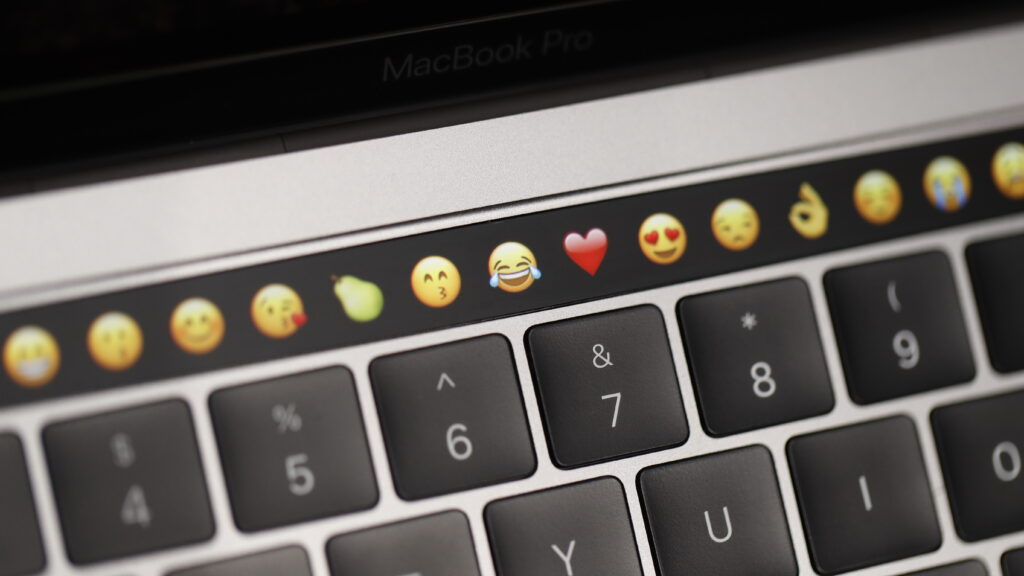
At Michigan Medicine, a surprising discovery has sparked a debate over the use of emojis in medical records. Despite a policy against using symbols, researchers found thousands of emojis embedded in electronic medical records, ranging from smiley faces to more cryptic symbols like the maple leaf and pill emoji.
The study, published in JAMA Network Open, reveals that while emoji use in clinical records remains rare, its prevalence is increasing. Between 2020 and 2024, fewer than two notes per 100,000 contained emojis. However, by the last quarter of 2025, this number rose to over 10 notes per 100,000. This trend raises questions about the impact of emojis on patient understanding, professionalism, and legal liability.
Understanding Emoji Use in Medical Contexts
David Hanauer, a clinical informaticist and lead author of the study, expressed concern over the potential risks emojis pose to patient safety. “They don’t want symbols used because maybe people can’t interpret them properly,” he stated, reflecting the stance of Michigan Medicine’s health information management team.
However, some experts argue that emojis could enhance medical communication. Shuhan He, an emergency medicine physician and co-inventor of medical emojis, believes they add emotion and context to human communication. “It’s conveying those ideas that can’t be communicated through your words,” He explained.
“A lot of the emoji seem to be supporting human communication — giving it emotion, giving it context.”
The Challenges of Interpretation
Despite the potential benefits, the difficulty in interpreting emojis remains a significant barrier. The Michigan researchers did not delve into the nuances of each emoji’s use. For instance, the ninth most common emoji, 👥, remains a mystery, as does the maple leaf, which could symbolize a marijuana leaf given its legality in Michigan.
Colin Halverson, a bioethicist at Indiana University, highlights the lack of standardization in emoji use. “It’s hard to pin down intention behind emoji use, because they’re not standardized in the way that natural languages are,” he noted, emphasizing the challenges this presents in clinical settings.
Legal and Professional Implications
Concerns over professionalism and legal implications further complicate the issue. Halverson’s surveys indicate that many clinicians view emojis as unprofessional and worry about their legal ramifications. He pointed out that while there have been legal issues related to emoji interpretation, none have yet emerged in the medical field.
Some clinical teams have attempted to establish concrete definitions for certain emojis to mitigate misunderstandings. For example, a 👍 must signify agreement to execute a plan, rather than merely acknowledging a message.
“There have been substantive legal issues related to the interpretation of emoji, though not to his knowledge in medicine.”
Current Practices and Future Directions
The Michigan Medicine analysis found that 41% of emojis in medical records were likely part of a template, often used in bulleted lists or summary notes. However, the majority were found in messages to patients, with 60% indicating emotion and the rest being informational or symbolic.
Hanauer expressed particular concern over emotional emojis, citing the subtle nuances between them. “It can be really difficult to understand, especially with all the faces, what do they all mean?” he said, noting that different age groups might interpret emojis differently.
Following the study, Michigan Medicine reinforced its anti-symbol policy, including a ban on emojis. Hanauer remains uncertain about the decision, questioning whether emojis should be allowed given their growing use in informal communication.
The Path Forward
To address these questions, Hanauer hopes more health systems will examine how emojis are used and interpreted. He noted that in Michigan’s Epic EHR, the process of transferring records for research strips out emojis, potentially hiding their prevalence.
“There’s a lot of emerging work in this area, and part of it is just first having the basic understanding of how often [emoji] are used in studies like this.”
As the medical field continues to grapple with the role of emojis, experts like He anticipate a better understanding over the next decade. For now, the use of emojis in medical records remains a contentious issue, with health systems like Michigan Medicine erring on the side of caution.
Halverson’s experience with JAMA, which rejected his emoji-fortified paper title, underscores the ongoing skepticism within the medical establishment. Yet, as digital communication evolves, the debate over emojis in medical records is far from over.