


Before the era of barcodes and biometrics, choosing what to eat was a straightforward decision. You relied on your pantry, not on a food influencer’s post. You trusted your appetite, not a nutritional label printed in minuscule type. However, today’s food choices resemble a complex multiple-choice exam devised by biochemists. For the first time in history, we have outsourced our eating instincts to a cadre of food scientists, multinational corporations, and wellness gurus.
Despite efforts to eat healthier, we have become sicker. Obesity has tripled worldwide since 1975, and two-thirds of Australian adults are overweight or obese. Rates of type 2 diabetes have more than doubled in a generation. Despite counting more calories and downloading more diet apps, we are heavier and more unwell than any previous generation.
The Rise of Ultra-Processed Foods
This crisis in the Western diet, increasingly linked to ultra-processed foods (UPFs), seems absent from government policy priorities. Australia’s food labeling system remains a patchwork of voluntary schemes and loopholes, often protecting industry interests over consumers. Last week, the Albanese government announced the formation of the National Food Council to advise on its national food strategy. Unsurprisingly, it is dominated by industry players whose devotion to profit at the cost of nutrition has been blamed for many of our health issues.
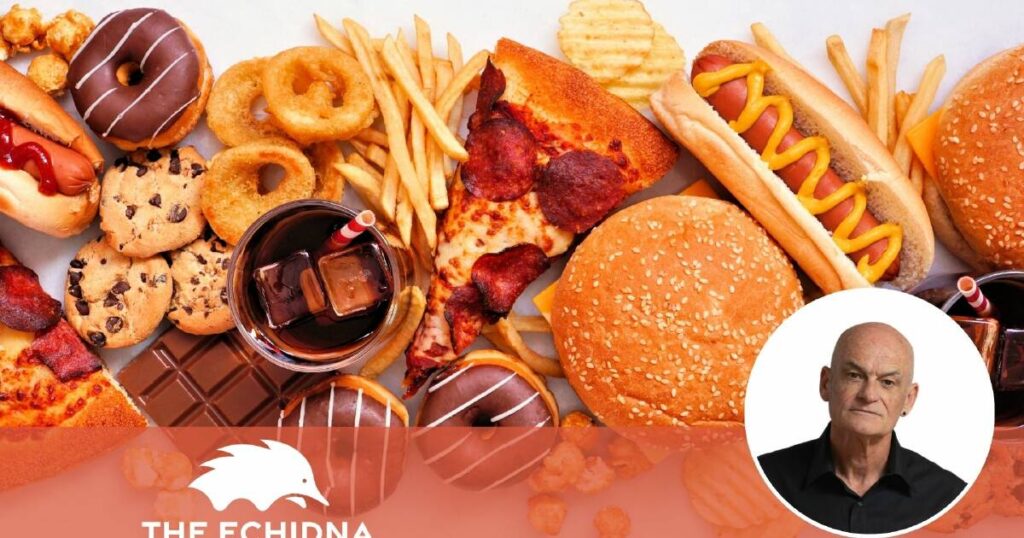
Last month, a series of papers in the medical journal Lancet reported that almost half of the average Australian diet now consists of UPFs. These products, ranging from frozen pizza and lasagna to breakfast cereals, margarine, soft drinks, processed meats, bottled sauces, and chips, are dubbed ultra-processed because they are made from refined ingredients, additives, and chemical formulations with little or no whole food remaining.
The Lancet report analyzed over 100 international studies linking high UPF consumption to increased risks of bowel cancer, hypertension, cardiovascular disease, and type 2 diabetes. A University of Melbourne study found Australia has the highest rate of bowel cancer in people under 50 worldwide.
Challenges and Opportunities for Change
If this sounds overwhelming, it’s because it is. UPFs are deeply embedded in supermarket shelves, school canteens, and our nightly dinner dilemmas, making them difficult to avoid. They are cheap, convenient, aggressively marketed, and engineered to hit our brain’s bliss markers, making them ideal for a time-poor culture.
However, there’s hope. Eating better doesn’t require a degree in nutritional science, a field where food fads change as often as fashion. Remember when animal fat was considered unhealthy? Now, a small amount is deemed beneficial. Eggs, once demonized, are now a superfood, and butter, once banished, has returned to favor.
Global Lessons and Local Actions
Clearer labeling and stricter limits on UPF marketing to children are necessary. Other nations have shown improvements can be made. Chile, for example, reduced its soft drink consumption by 25% through warning labels and stricter promotional rules.
If government action is lacking, change must begin in our kitchens. The government may legislate to protect children from social media’s evils but shows little interest in shielding them from the food industry’s dangers.
Jamie Oliver: “I wouldn’t say that processed food, ready meals, and takeaways aren’t relevant to modern life. It’s just that over the past 40 years, three generations have gone through their home life without ever being shown how to cook properly.”
Public sentiment reflects a growing awareness of these issues. Readers have shared their thoughts on the challenges of avoiding UPFs and the need for better eating habits. One reader, Mike, expressed skepticism about adults modeling healthy digital behavior, while Martin criticized the social media industry’s failure to self-regulate. Ian humorously recalled his childhood, contrasting it with today’s screen-obsessed youth, and Maree lamented the use of devices as pacifiers for young children.
As the debate continues, the path forward involves both individual and collective action. By prioritizing whole foods and demanding better labeling and marketing practices, we can begin to reclaim our health and well-being.