



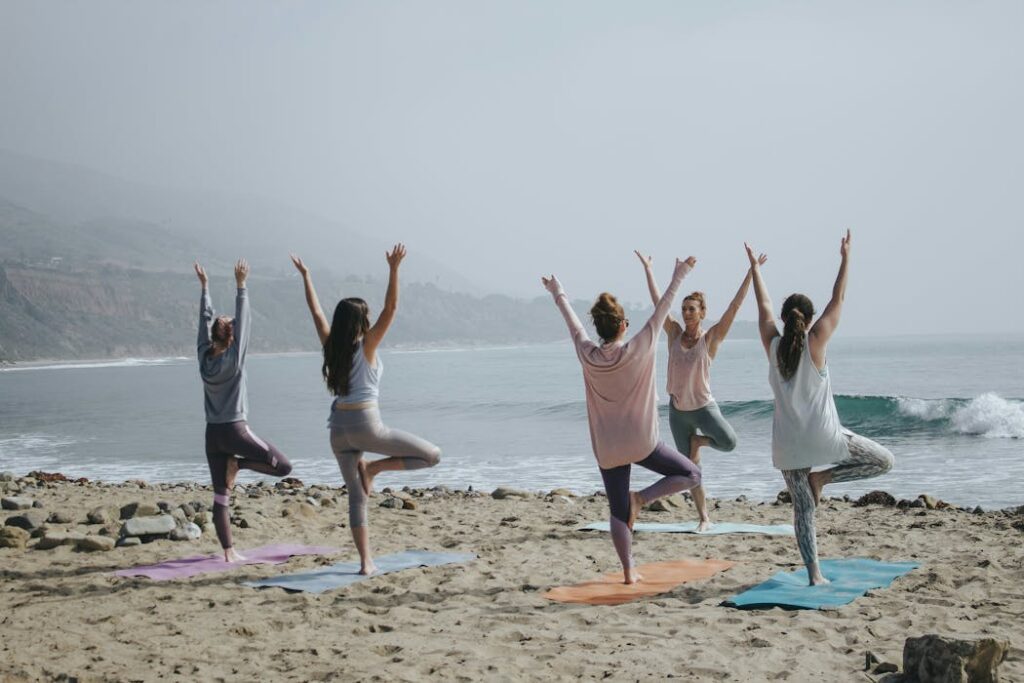
If you’ve spent even a little time on social media in recent years, you have no doubt encountered a surge of “wellness” content. From kilometer-long lines of runners strutting along the Bondi promenade at dawn to the rise of sauna and ice bath studios, and even peculiar routines like mouth taping and longevity diets, the pursuit of wellness has become a defining trend of our times. But what fuels this obsession with wellness? It appears to tap into age-old human preferences for vitality, fertility, and social status.
Humans have evolved to notice and prefer visible signs of health. Outward signs of potentially contagious diseases tend to evoke disgust reactions as part of our “behavioral immune system”—a series of preferences developed over thousands of generations to avoid infection. However, there’s more to it than just avoiding the sick. Research suggests we are often drawn to individuals with glowing skin, symmetrical faces, healthy body composition, and graceful movement—historically cues of health and possibly good genes.
Ancient Signals in Modern Wellness
Modern technologies now allow us to mimic these health cues, which may be part of the secret behind wellness culture’s success. Skin-focused routines, such as collagen powders or LED light baths, aim to amplify perceived youthfulness. These cues of youthful nubility are linked to fertility and the likelihood of a successful first pregnancy, which was crucial for our ancestors.
Our social preferences evoke biological realities from the ancient past. Today, people have access to tools like makeup, cosmetic surgery, and wellness culture that let them exploit these preferences. Running clubs serve as arenas for youthful individuals to display social energy and endurance, traits inferred as signs of health and sociability. Even ice baths signal toughness and resilience—traits valued by potential mates.
The Role of Status in Wellness Culture
The spread of wellness culture may also be explained by our evolved capacity for playing “status games,” as author Will Storr describes. Activities like yoga retreats and ultramarathons, which require leisure time and wealth, signal personal qualities such as discipline and perseverance. On platforms like Strava, endurance athletes showcase their activities, playing status games in real-time.
Social media algorithms amplify signals of prestige and emotional content to maximize engagement. This phenomenon is particularly evident among teens and young adults, who are avid copiers of status signals. Wellness culture, with its in-groups like run clubs and gym cultures, thrives in this environment.
The Double-Edged Sword of Wellness
Photos of flawless skin, sculpted bodies, and picturesque sunrise runs are supernormal stimuli—exaggerated versions of normal cues that trigger strong reactions. However, the downsides of social media signaling still apply, even when the topic is health. Ice baths can lead to cold shock or hypothermia, overtraining causes injuries, and much wellness advice can be harmful.
When people imitate status rather than health, the evolutionary picture becomes clearer. Humans have long copied high-status individuals to improve survival and reproductive opportunities. Yet, this eagerness to copy can misfire, especially when signals are exaggerated for online display. Wellness culture doesn’t just reflect evolved preferences for health and status; it can exploit and distort them.
Beware the urge to signal wellness, as it could be leading you astray.
This article is republished from The Conversation. It was written by Samuel Cornell and Rob Brooks from UNSW Sydney. Samuel Cornell receives funding from an Australian Government Research Training Program Scholarship, and Rob Brooks receives funding from the Australian Research Council.