As self-driving cars inch closer to becoming a mainstream reality, Tesla is striving to maintain its position as a leader in the field. However, questions are arising about whether the company is compromising safety to stay competitive. This debate has been fueled by recent comments from Tesla CEO Elon Musk, suggesting that drivers could potentially text while using Tesla’s self-driving technology.
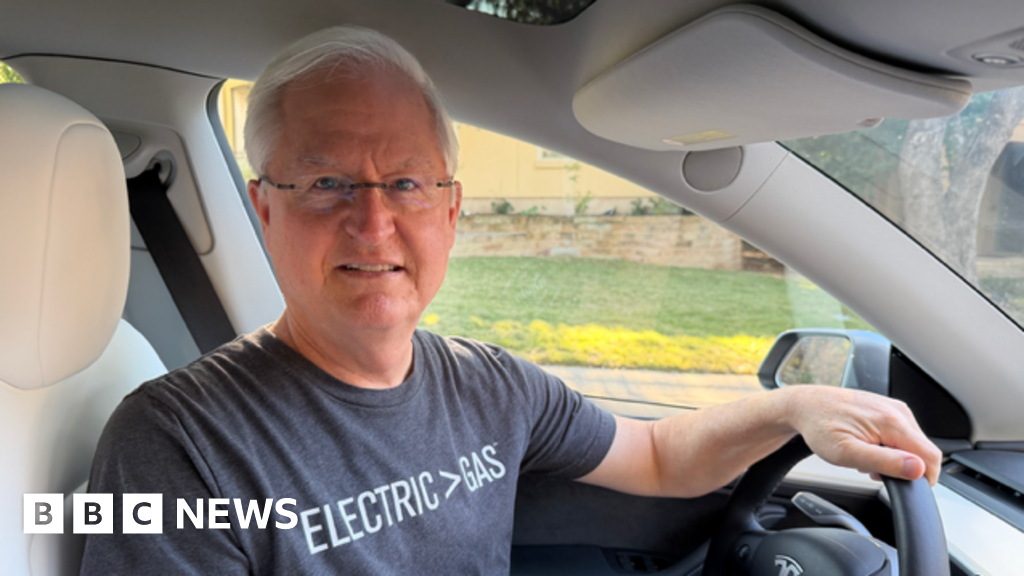
For the past few weeks, Geoff Perlman, a 61-year-old technology executive from Texas, has been testing Tesla’s latest self-driving software during his commutes around Austin. Perlman is impressed by the software’s ability to handle complex driving scenarios, such as navigating confusing lane adjustments and parking in busy lots. He is considering recommending the system, which costs an additional $8,000 (£5,950), to his 89-year-old father-in-law to aid with mobility as he ages.
Despite his admiration for the technology, Perlman is cautious. “Staring at the phone when you’re in a several thousand pound vehicle travelling down the highway at this point seems crazy to me,” he says, emphasizing that he keeps his eyes on the road and refrains from texting while driving.
Elon Musk’s Controversial Stance
Elon Musk’s recent comments have sparked renewed concern among safety advocates. Last month, Musk told investors, “We’re going to look closely at the safety statistics, but we will allow you to text and drive essentially.” When asked on social media platform X about the ability to text and drive using the latest software, Musk confirmed, “Yes, depending on the context of surrounding traffic.”
Tesla did not respond to requests for clarification on this statement. However, Musk’s remarks have raised alarms about his perceived willingness to prioritize technological advancement over safety, especially as competitors like Google’s Waymo make strides in the self-driving arena.
“Tesla doesn’t always seem to have full grasp of what the consequences of its technology changes would be and I think this is kind of a very big example of that,” says Michael Brooks, executive director of the Center for Auto Safety.
Safety Concerns and Legal Challenges
Tesla offers a range of automated options, from Autopilot, which includes features like automatic lane centering, to the more advanced Full Self Driving (FSD) software. While these systems require driver supervision, the firm’s stance on texting while driving conflicts with laws in the US, UK, and other countries where texting behind the wheel is illegal.
Musk argues that if drivers are going to text, it is safer to do so using Tesla’s software, which he claims reduces the likelihood of major collisions. However, experts question the reliability of Tesla’s safety data, as the company does not share it for independent review.
Regulatory bodies in the US have launched several investigations into Tesla’s software, following reports of issues such as random braking and failure to comply with basic traffic safety rules. Meanwhile, competitors like Waymo and Ford have faced their own safety challenges, with recalls and investigations into their systems.
“We have serious concerns about a driver who has any responsibilities behind the wheel engaging in texting,” says Cathy Chase, president of the Advocates for Highway and Auto Safety.
Public Perception and Market Impact
Despite the controversies, some Tesla users express confidence in the technology. New Jersey Tesla owner Youssef Kamal admits to checking his phone for texts during his commute, despite legal and safety warnings. “As far as the goal of getting from point A to point B, it’s clearly working,” he says.
Others, like Ernie Gorrie from Canada, remain skeptical. Gorrie notes that his car still struggles with certain traffic signals, even after five years of software updates. “It has improved substantially but it remains far from anything resembling a full self-driving car,” he comments.
In response to regulatory pressure, Tesla has made some adjustments, such as adding “(Supervised)” to the FSD software title. However, the company continues to face legal challenges, including lawsuits alleging fraud and design defects related to its self-driving systems.
Future Prospects and Industry Challenges
Tesla’s recent deployment of robotaxis in Texas, without human drivers, underscores the company’s commitment to advancing self-driving technology. This move has boosted Tesla’s stock prices, highlighting the importance of this technology to the firm’s future.
Critics, however, argue that Musk’s comments on texting are part of a broader strategy to inflate Tesla’s technological capabilities. “He’s trying to make people think that they’re in the same league as Waymo. They’re not,” says Dan O’Dowd, a software entrepreneur and Tesla critic.
As Tesla seeks to expand its FSD software into new markets, such as Europe, it will need to address regulatory concerns about driver attentiveness and safety. Simeon Calvert, a professor of automated driving, warns, “They’re playing a high-risk game. By trying to be on the market early, they’re hoping to get ahead of the competition. But if their systems do struggle and there are many incidents then that’s just going to damage their reputation.”
As the debate over self-driving technology and safety continues, Tesla’s approach will remain under scrutiny from regulators, safety advocates, and the public alike.