

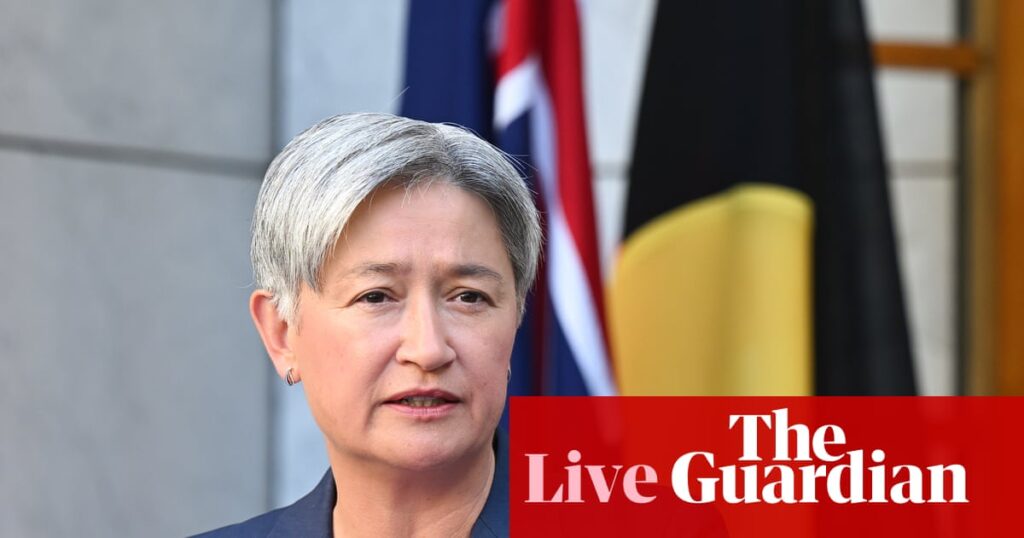
In a climate of heightened political sensitivity, Australian Foreign Minister Penny Wong has acknowledged the “depth of feeling” within the Australian community regarding the upcoming visit of Israeli President Isaac Herzog. The visit, scheduled for next week in Sydney, has sparked plans for protests from groups like the Palestine Action Group, reflecting the complex and often contentious nature of international diplomatic relations.
Wong, addressing the media, emphasized Australia’s democratic values, stating, “We are a country, a democracy where we know people have differences of views, and I do understand very keenly that people have different views about this visit.” She urged potential protesters to consider the context of Herzog’s visit, which aims to honor victims of antisemitic terror attacks. This comes amid broader discussions about Australia’s role in international peace efforts, particularly in the Middle East.
Political Responses and Community Reactions
Labor MP Ed Husic, known for his critical stance on Israeli policies, expressed “deep concerns” over Herzog’s visit. Wong responded to these concerns by reiterating the government’s commitment to peace in the region, acknowledging the strong emotions tied to recent events in Gaza. “We’re pressing for peace with others in the international community for civilians to be protected and for aid to flow,” Wong stated, highlighting Australia’s diplomatic efforts.
The announcement comes as Australia grapples with its foreign policy stance on the Israeli-Palestinian conflict, a topic that has long divided public opinion and political lines. The visit by President Herzog is seen by some as a step towards strengthening bilateral ties, while others view it as a controversial endorsement of Israeli policies.
Broader Implications and Context
The visit of a foreign leader often serves as a litmus test for a country’s diplomatic priorities and public sentiment. Herzog’s visit is no exception, reflecting broader geopolitical dynamics and Australia’s place within them. The Australian government’s response to the protests and its engagement with the international community underscore its commitment to balancing domestic concerns with international obligations.
According to political analysts, the situation underscores the complexity of Australia’s foreign policy, which must navigate the intricacies of international diplomacy while addressing domestic concerns. The protests, planned by groups like the Palestine Action Group, highlight the enduring tensions and the passionate advocacy for Palestinian rights within Australia.
Looking Ahead: The Path to Peace
As the visit approaches, the Australian government faces the challenge of maintaining diplomatic decorum while addressing the concerns of its citizens. The situation presents an opportunity for Australia to reaffirm its commitment to peace and dialogue in the Middle East, a region fraught with historical and ongoing conflicts.
Wong’s call for understanding and context serves as a reminder of the delicate balance required in international relations. The government’s efforts to ensure peace and security in the region, coupled with its handling of domestic dissent, will be closely watched by both local and international observers.
In the coming days, all eyes will be on Sydney as the city prepares for Herzog’s visit. The event will not only test Australia’s diplomatic acumen but also its ability to engage with diverse perspectives within its own borders. As the nation navigates this complex landscape, the emphasis remains on fostering dialogue and understanding in pursuit of a more peaceful future.