


Multiple sources are reporting that Iranian Supreme Leader Ayatollah Ali Khamenei has been killed in air strikes conducted by the United States and Israel. This development has sent shockwaves across the Middle East, prompting Tehran to launch a series of retaliatory missile and drone attacks.
According to Reuters, an unnamed Israeli official confirmed the death of Khamenei, with his body reportedly found following the strikes. Israeli media outlets have echoed these reports, also citing unnamed sources. Meanwhile, US President Donald Trump, in an interview with NBC, expressed his belief in Khamenei’s death, stating, “I’ve spoken to a lot of people beyond, and we feel certain, we feel, we feel that that is a correct story.”
However, conflicting reports emerged from Iran’s foreign ministry. Spokesperson Esmaeil Baghaei assured ABC News that Ayatollah Khamenei was “safe and sound.” This statement was reinforced by Iranian officials who claimed both Khamenei and President Masoud Pezeshkian were unharmed.
Escalating Conflict Across the Region
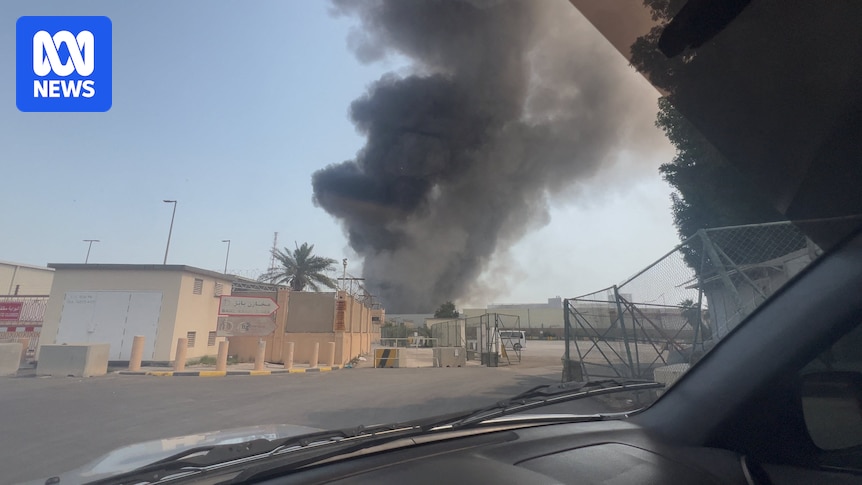
The alleged death of Ayatollah Khamenei has intensified the already volatile situation in the Middle East. In response to the US and Israeli strikes, Iran launched missiles targeting Israel and several Gulf Arab states that host American military bases. The Strait of Hormuz, a critical passage for global oil supplies, was declared closed by Iran, causing concerns over potential spikes in oil prices.
Tehran’s retaliation was described by a senior Iranian Revolutionary Guards commander, Ebrahim Jabbari, as merely the beginning. He warned of a more formidable response, hinting at the deployment of advanced weaponry. The United Nations Security Council is scheduled to convene in New York, with Secretary-General Antonio Guterres calling for an immediate cessation of hostilities.
International Reactions and Implications
In a televised address, Israeli Prime Minister Benjamin Netanyahu suggested that the death of Iran’s leader could not be confirmed, yet highlighted the elimination of key figures within the Iranian regime. “There are many signs that this tyrant is no longer,” he stated, referencing the joint military action with the United States aimed at destabilizing Iran’s leadership.
President Trump, in a social media video message, urged the Iranian populace to “rise up” against their government, framing the military actions as a step towards “eliminating imminent threats from the Iranian regime.” He emphasized the historical context of US-Iran tensions, dating back to the 1979 Islamic Revolution.
“When we are finished, take over your government. It will be yours to take. This will be probably your only chance for generations,” Trump declared.
Oil markets are on edge, anticipating potential disruptions in supply. Jorge Leon, head of geopolitical analysis at Rystad Energy, predicted a significant increase in oil prices unless de-escalation occurs. Iran’s position as a major oil producer within OPEC, coupled with its control over the Strait of Hormuz, underscores the global economic stakes involved.
Historical Context and Future Prospects
The current conflict is set against a backdrop of longstanding hostilities between Iran and the West. The US and Israel have previously targeted Iranian military and nuclear capabilities, with the latest strikes marking a significant escalation. The recent military build-up in the region by the US, alongside nuclear negotiations, highlights the complexity of the geopolitical landscape.
Iran’s internal political climate is also in turmoil. The clerical leadership has faced significant domestic unrest, with mass protests in January leading to a brutal crackdown. The current military confrontation may further strain the regime’s grip on power, as calls for change resonate among the Iranian people.
As the situation develops, the international community remains watchful. The potential for further escalation poses risks not only to regional stability but also to global economic interests. The coming days will be critical in determining whether diplomatic efforts can prevail over military confrontations.
