


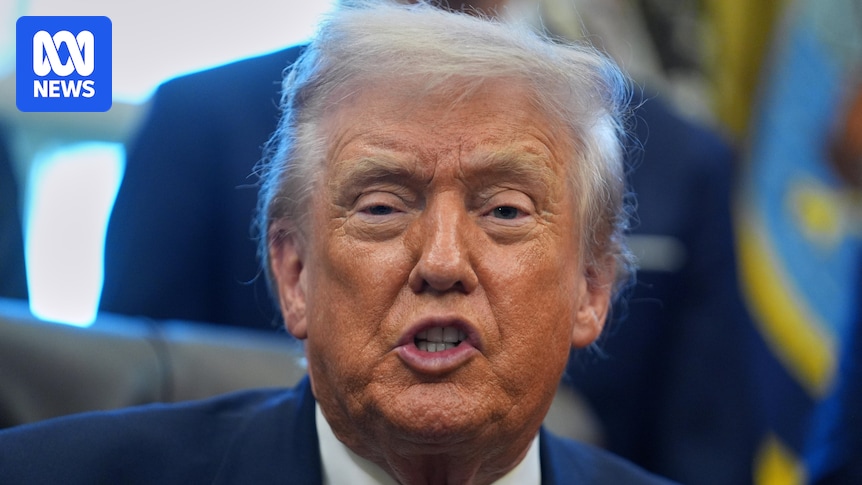
When Mark Green announced his retirement from politics, many of his Republican colleagues assumed that refilling his seat in Tennessee’s 7th congressional district would be a straightforward task. The district, a Republican stronghold, had overwhelmingly supported Donald Trump in the 2024 presidential election by a margin of 22 points. Furthermore, Green had secured nearly 60 percent of the vote in his last election, and a Democrat had not held the seat in over 40 years.
However, the recent by-election did not unfold as expected. Matt Van Epps, a former commissioner of the Tennessee Department of General Services, was chosen as the Republican candidate and was initially considered a shoo-in. Yet, when Tennessee voters went to the polls on Tuesday, Van Epps won by just nine points, a far narrower margin than anticipated.
A High-Stakes Election
The special election was the first federal contest since Democrats achieved significant victories on November 4. The Democratic Party had gained momentum with Zohran Mamdani’s rise to New York mayor and increased margins in Virginia and New Jersey’s governorship races. With the 2026 midterm elections approaching, Republicans were keen to solidify their narrow majority in the House of Representatives amid Trump’s declining approval ratings.
Democrats, emboldened by recent successes, targeted traditionally Republican areas, including Tennessee’s 7th district. Their candidate, Aftyn Behn, a 36-year-old Tennessee House Representative, positioned herself as a “pissed-off social worker” and drew comparisons to Alexandria Ocasio-Cortez. Behn focused on expanding Medicaid and reducing the cost of living, resonating with voters frustrated by economic pressures.
Enter: Aftyn Behn
Behn’s campaign strategy capitalized on the growing discontent with Washington politics and the rising cost of living. Democratic political strategist Ian Russell noted that while a more moderate candidate might have fared better in a general election, Behn was the right choice for the moment. “What Aftyn is able to put together is a coalition of the pissed off,” Russell explained, emphasizing her appeal to voters dissatisfied with the status quo.
“If you are upset about the cost of living and the chaos of Washington, we are your campaign,” Behn declared during her campaign.
Polling indicated that the cost of living was a pivotal issue, and Behn’s focus on this area was effective. The Republican Party grew increasingly concerned as the election approached.
‘The Whole World is Watching’
Mid-term elections typically see lower voter turnout, and the timing of this race, just after Thanksgiving, posed challenges for both parties. Republican representative Tim Burchett expressed concern about potential voter apathy. As election day neared, both parties engaged in intense campaigning. Republican PACs contributed $3.1 million to Van Epps’s campaign, while Democratic-aligned PACs provided $2.3 million to Behn’s effort.
Former Vice President Kamala Harris attended Behn’s rallies, while Trump made calls to support Van Epps. “The whole world is watching Tennessee right now,” Trump said, underscoring the national attention on the race.
Polling one week before the election suggested a tight race, with Van Epps holding a slim lead. Early voting results favored Behn, but Republicans traditionally prefer voting on election day, which Van Epps relied on to secure his victory.
Celebrating a Loss
On election night, Behn addressed her supporters in Nashville, exuding optimism despite the loss. “Oh, my goodness, thank you, thank you, thank you,” she said, celebrating the campaign’s achievements and the turnout in Nashville.
Van Epps, meanwhile, acknowledged the crucial support from Trump in his victory speech. “We are grateful to the president for his unwavering support that charted this movement and catapulted us to victory,” he stated.
However, the election results prompted introspection within the Republican Party. Senator Ted Cruz remarked, “We could have lost this district,” highlighting concerns about the party’s future prospects. The outcome suggests potential vulnerabilities for Republicans in the upcoming 2026 mid-terms.
“The danger signs are there, and we shouldn’t have had to spend that kind of money to hold that kind of seat,” said Jason Roe, a national Republican strategist.
Looking ahead, Republicans face the challenge of defending more vulnerable seats to maintain their majority in the House. As Cruz warned, “Next year is going to be a turnout election and the left will show up.”