


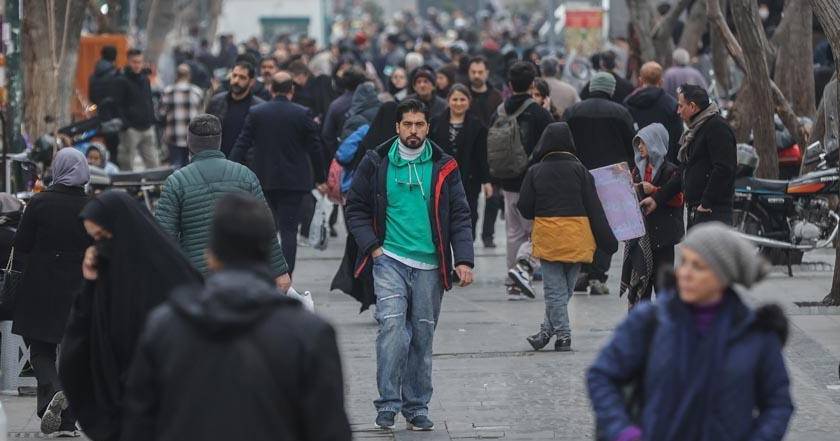
The Iranian government’s recent response to widespread protests has been marked by a calculated use of overwhelming force, aimed at quelling dissent both physically and psychologically. This strategy, which includes a nationwide internet shutdown, seeks to isolate protesters and dismantle networks of trust, making the act of protest appear irrational and perilous.
By cutting communication, the Iranian state not only conceals its actions from the global community but also fractures the collective will of its citizens. The message is clear: any attempt to challenge the status quo is a solitary and potentially fatal gamble. This approach has effectively pushed society into a state of paralysis, where daily life becomes as unbearable as the prospect of change.
Consolidating Power Through Violence
The violence witnessed on January 9 and 10 served a dual purpose. Beyond suppressing dissent, it also reinforced internal loyalty within the regime. By tying the survival of the political system to the actions of those enforcing repression, the state has created a core of enforcers who are deeply invested in the regime’s continuation.
This dynamic fosters a “scorched earth” mentality, framing the conflict as an existential struggle between “us” and “them,” with protesters cast as enemies. In this context, compromise is seen not as a sign of weakness but as an act of betrayal, leaving violence as the sole language of engagement.
Murky Repression and Political Irrelevance
The Islamic Republic’s approach has effectively dismantled politics, replacing governance with a permanent security posture. The use of plainclothes forces and paramilitary units blurs the line between state and society, portraying repression as a conflict between citizens. This narrative allows the state to deflect responsibility while deepening social fragmentation.
The role of these forces extends beyond physical repression to include narrative control, normalizing brutality, and casting doubt on the legitimacy of protest. Their unofficial status provides the state with plausible deniability, further complicating accountability.
International Implications and Diaspora Mobilization
The ongoing repression in Iran has sparked significant international reactions, particularly among the Iranian diaspora. From Toronto to Melbourne, Iranians abroad have organized large-scale demonstrations in solidarity with those protesting inside Iran. These events highlight the global reach of the unrest and the deep connections the diaspora maintains with their homeland.
Organizers have reported a surge in demonstrations, particularly following internet blackouts and calls from exiled leaders for mobilization. The geographic distribution of these protests spans continents, with Europe hosting the majority, followed by North America and Oceania.
Challenges and Symbolic Actions
While large demonstrations have taken place, organizers face legal and political challenges, especially in regions with restrictive environments. Despite these hurdles, symbolic actions, such as replacing the Islamic Republic’s flag with the pre-revolutionary emblem at diplomatic sites, have drawn significant attention and condemnation from Iranian authorities.
US-Iran Tensions and Political Deception
The unrest in Iran has also intensified tensions with the United States, marked by a personal animosity between leaders. President Trump’s recent remarks questioning Iran’s leadership and the subsequent Iranian response underscore the deep-seated conflict. This confrontation is not new but has evolved into a personal feud, with both sides engaging in sharp rhetoric.
Historically, the Islamic Republic has employed deception as a strategic tool, a practice rooted in its foundational years. Concepts like maslahat (expediency) and political taqiyya (concealment) have been institutionalized, allowing the regime to navigate international scrutiny while maintaining internal control.
Internet Blackout and Information Control
The current internet blackout in Iran represents a significant escalation in the regime’s efforts to control information. While some connectivity remains for essential services, the broader population is largely cut off, highlighting the regime’s progress in creating a sealed digital ecosystem.
“Like North Korea, the Islamic Republic has been working to build an intranet, and it is scary. It will be blocking off Iran,” said Neda Bolourchi, executive director of the Public Affairs Alliance of Iranian Americans.
Bolourchi emphasizes the potential for the United States to leverage existing legislation to support internet circumvention tools for Iran. However, bureaucratic delays have hindered timely assistance, leaving Iranians vulnerable to the regime’s information control strategies.
As the situation unfolds, the Iranian government’s reliance on force and deception highlights a broader strategy of survival through repression. The implications of this approach extend beyond Iran’s borders, influencing international relations and diaspora dynamics. The future remains uncertain, but the regime’s current trajectory suggests a continued commitment to maintaining power through coercion and control.