
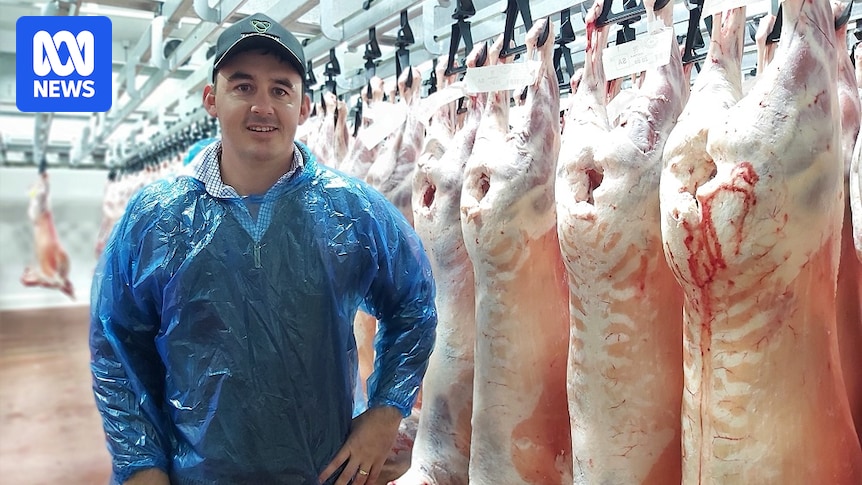
A Tasmanian lamb exporter has lost access to its largest market as geopolitical tensions escalate, with the United States and Israel launching strikes on Iran. The conflict has forced Tasmanian Quality Meats (TQM), located in Cressy, northern Tasmania, to cancel consignments for the first time, marking a significant blow to the business.
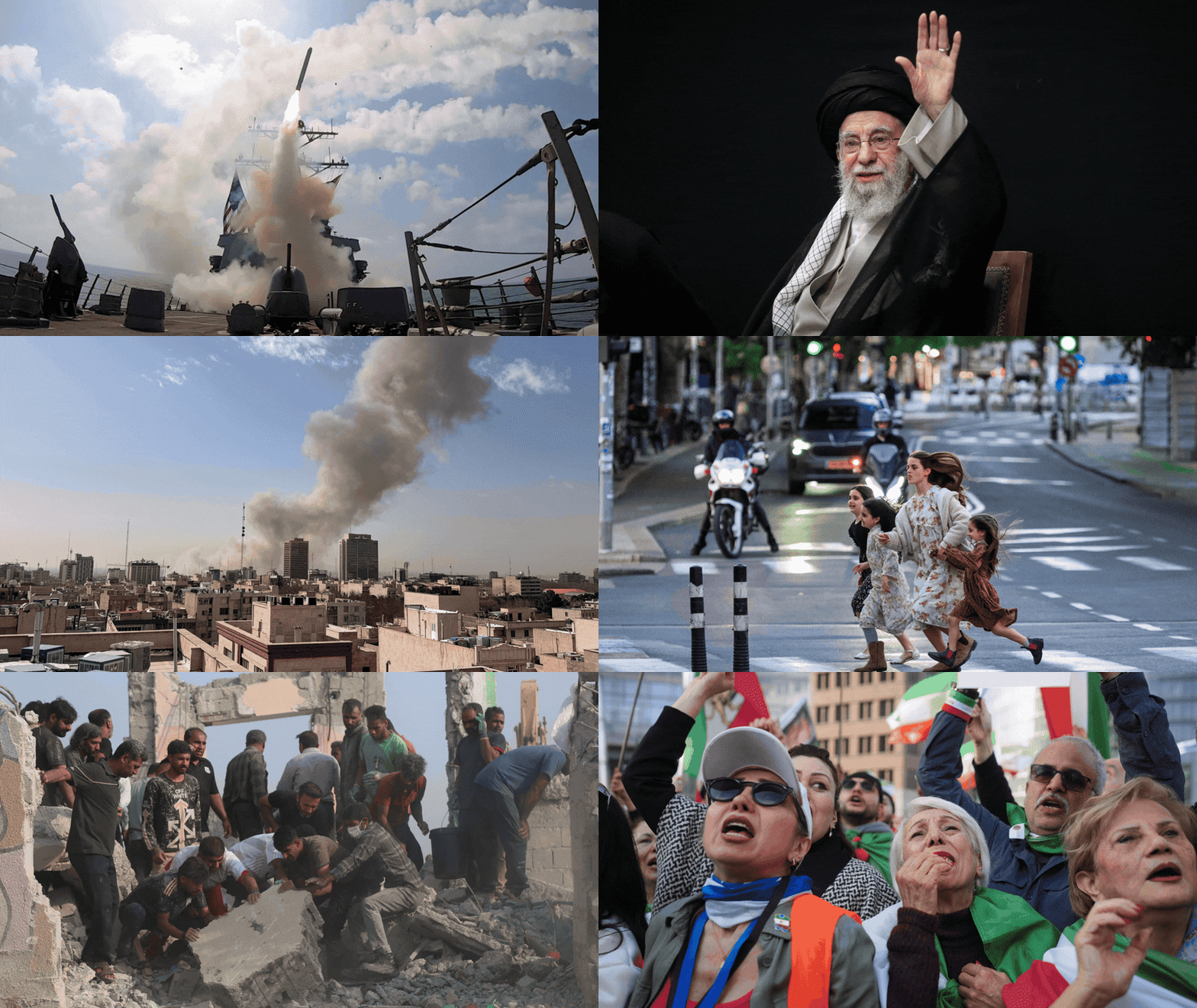
On Saturday, the US and Israeli governments initiated “pre-emptive” attacks on Iran, actions that international lawyers have condemned as an “illegal act of aggression.” The repercussions of this conflict have rippled across global markets, impacting TQM, Tasmania’s largest lamb exporter, which sends approximately 4,000 lambs weekly to the Middle East, generating around $800,000 in revenue.
Impact on Tasmanian Quality Meats
Speaking to ABC’s Country Hour, TQM’s managing director Jake Oliver expressed the challenges faced by the company due to the ongoing conflict. A substantial amount of their product is currently “sitting in Melbourne” and in transit, with no viable option but to return it to Australia.
“It was either get it back here on site and deal with it, or it would end up going off and being discarded on the mainland or overseas,” Oliver explained.
The company now faces the arduous task of retrieving the shipments, reprocessing them into frozen specifications, and storing them, which will inevitably sell at a reduced price. Oliver noted the financial implications of this shift, stating, “So yeah, bit of a finance hit there.”
Rising Shipping Costs
In addition to logistical challenges, TQM is grappling with increased shipping costs. Oliver reported receiving an email from a shipping company announcing a new charge of US$3,500 (approximately AUD$5,000) on all 40-foot containers heading to the Middle East, effective immediately.
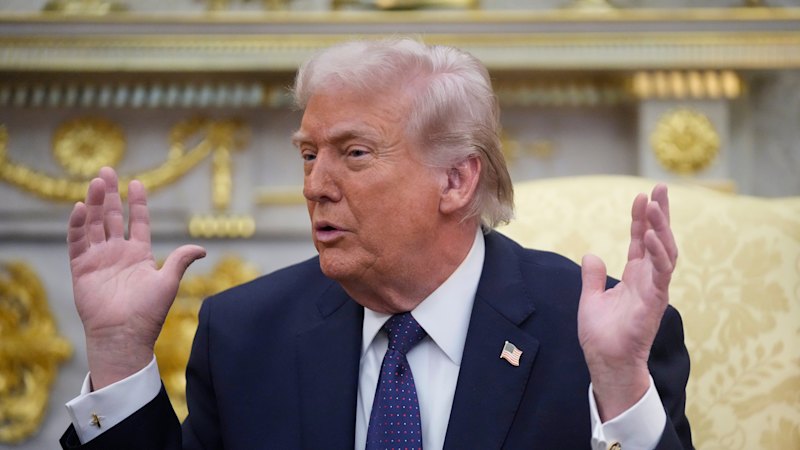
The announcement comes as US President Donald Trump suggested that the conflict could persist for weeks, adding further uncertainty to the situation.
Industry-Wide Concerns
The repercussions of the conflict extend beyond TQM. George Shae, head of the TasFarmers Livestock Committee, also spoke to the Country Hour, acknowledging the broader industry concerns.
“It’s concerning what’s going on, but it’s too early to tell where all of this is going to go,” Shae remarked.
He highlighted the potential disruption to air-freighted products, particularly high-end goods destined for the Middle East, which could face significant delays.
Historical Context and Future Implications
This development follows a history of volatile relations in the Middle East, with previous conflicts similarly affecting global trade routes and markets. The current situation underscores the vulnerability of international supply chains to geopolitical tensions.
Experts suggest that businesses like TQM may need to diversify their markets to mitigate such risks in the future. The ongoing conflict could prompt a reevaluation of trade strategies, not only for Australian exporters but for global stakeholders reliant on Middle Eastern markets.
As the situation unfolds, TQM and other affected businesses are left to navigate the complexities of an unpredictable geopolitical landscape. The long-term implications remain uncertain, but the immediate impact is a stark reminder of the interconnectedness of global commerce and international relations.