



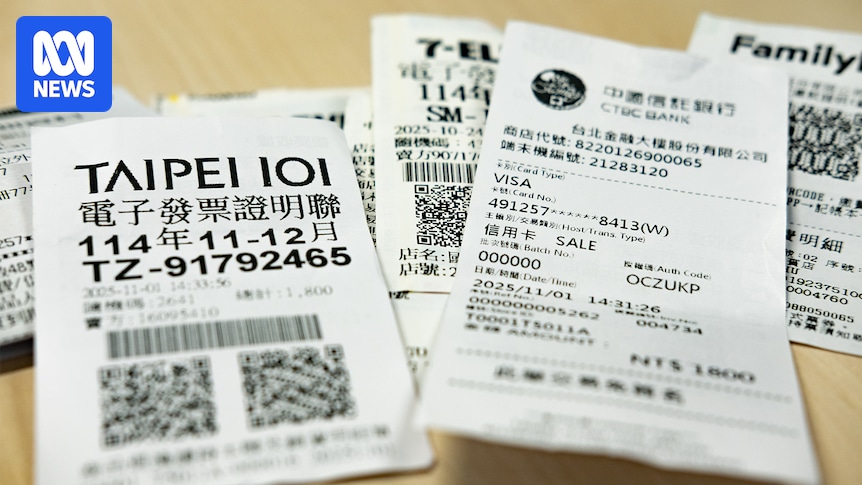
When shopping in Taiwan, a familiar question follows the transaction: “Would you like a receipt?” For many, the answer is a resounding yes, as these receipts serve a dual purpose. Beyond recording purchases, they are entries into Taiwan’s unique receipt lottery, a system that has been in place since 1951. This bi-monthly draw transforms mundane shopping slips into potential jackpots, with prizes ranging from NT$200 ($10) to a staggering NT$10 million ($480,000).
The receipt lottery is not just a quirky cultural feature; it is a strategic initiative aimed at combating tax evasion. By incentivizing consumers to demand receipts, the Taiwanese government ensures that sales are properly recorded, thereby increasing tax compliance. This innovative approach has inspired similar systems in countries like Brazil, Portugal, and Slovakia.
The Mechanics of the Receipt Lottery
Each receipt in Taiwan carries a unique eight-digit number. Whether the purchase is a simple coffee or a luxury car, the receipt holds the same potential for winning. The lottery, managed by the Ministry of Finance, occurs every odd month, drawing multiple sets of numbers. To claim the top prize, all eight digits on a receipt must match the special prize numbers. Lesser matches can still yield smaller rewards, encouraging widespread participation.
While the system is open to everyone, including tourists, winners must claim their prizes in person within three months. Smaller winnings can be collected from convenience stores, while larger sums necessitate a visit to a bank or tax office, with a 20% tax deduction applied to winnings.
Modern Adaptations and Environmental Considerations
As digital transactions become more prevalent, the receipt lottery has evolved. Jenna Lin, a digital designer in Taipei, notes that many consumers now use QR codes or bank notifications to track their lottery entries, reducing the need for physical receipts. “These platforms also mean cashiers print less paper. Taiwan is a densely-populated country and puts a lot of emphasis on reducing waste,” Lin explains.
Moreover, the system allows for charitable contributions. Consumers can donate their receipts to charities at the point of sale, enabling non-profits to claim any winnings. This feature underscores the lottery’s integration into Taiwanese society, where it is both a fiscal tool and a community asset.
Impact and Global Influence
The introduction of the receipt lottery has had a profound impact on Taiwan’s tax revenue. In its first year, sales tax revenue reportedly increased by 75%, a testament to its effectiveness in curbing tax evasion. The Taipei Economic and Cultural Office in Australia highlights that the system has “deeply embedded in everyday life in Taiwan and is widely embraced by the public.”
“The government effectively involved the public in monitoring business transactions, strengthening tax fairness and improving overall revenue collection,” the office stated.
While the receipt lottery has proven successful in Taiwan, experts like ANU’s Michael Kobetsky are skeptical about its applicability elsewhere. “It is a measure to counter the cash economy by recording transactions,” Kobetsky notes. “Since COVID-19, fewer transactions are made with cash in Australia.”
Looking Ahead
As Taiwan continues to refine its receipt lottery, the system remains a model of innovative tax policy. Its ability to blend fiscal responsibility with public engagement offers valuable lessons for other nations grappling with tax compliance challenges. For now, the receipt lottery stands as a testament to Taiwan’s ingenuity, turning everyday purchases into opportunities for both personal gain and national benefit.