
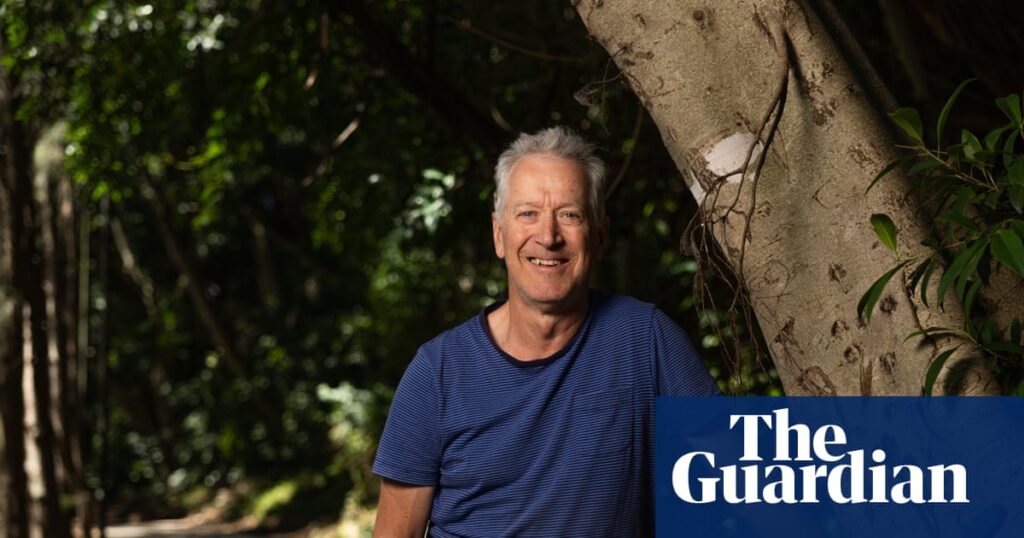
About 25 years ago, Bruce Ashley, an environmental planning consultant, envisioned a transformative project while walking beside the Hawthorne Canal in Sydney’s inner west. His idea was to create a “greenway” that would link paths and patches of bush along the old goods line from Pyrmont to Dulwich Hill. This vision is set to become a reality next weekend with the official opening of the GreenWay, a car-free corridor connecting Sydney Harbour to the Cooks River.
The GreenWay, which opens on Sunday, December 14, will allow people to walk, run, or cycle almost entirely off-road from Iron Cove on the Parramatta River to the Cooks River. The route follows the light rail line built along the old rail corridor and includes new tunnels and underpasses beneath five roads, significantly improving urban connectivity.
The Birth of a Green Vision
Ashley’s inspiration for the GreenWay came while exploring the area around Parramatta Road. He realized that by linking various paths and creating new connections, it was possible to establish a continuous route from Cooks River to Iron Cove. This idea gained momentum after a chance discussion with two men planting native species by the canal, leading Ashley to sketch out the initial concept within 20 minutes.
The project has taken over two decades to materialize, with the official opening marking the culmination of years of planning and advocacy. The GreenWay will feature 10 pieces of public art, mostly located in the tunnels, and is expected to transform travel in Sydney’s inner west.
Community and Government Support
Darcy Byrne, the mayor of Inner West Council, has praised the GreenWay for its potential to revolutionize local travel. The corridor connects two of Sydney’s major waterways and will eventually link to the metro at Dulwich Hill by the end of 2026, further enhancing its utility.
The GreenWay project, with its $57 million price tag, is a modest investment compared to the billions spent on projects like the WestConnex freeways and Sydney’s metro lines. Yet, it promises significant benefits for users of Sydney’s fragmented cycle network.
“People won’t really understand until the GreenWay is opened and the metro complements it just how this will change travel in our community for the better,” Byrne says.
Challenges and Compromises
Despite its promise, the GreenWay has faced challenges. Parts of the corridor were initially identified in the late 1980s for urban beautification, and its development has been closely tied to the conversion of the goods line into the current L1 light rail. Ashley originally envisioned a corridor with a single rail track and a narrow bike path, preserving areas of regenerating bush.
However, the final plan required a more elaborate path outside the rail corridor, necessitating tunnels and underpasses. This increased ambition came at a higher cost and the loss of some replanted bush areas. Nonetheless, Ashley remains impressed with the outcome.
“It’s hugely impressive what they are building – far more than I had envisaged,” Ashley says.
Environmental and Urban Impact
The GreenWay has sparked debate over its environmental impact. Monica Wangmann, a former independent member of Ashfield Council, argues that the light rail extension led to over-development, transforming the former flour mills around Lewisham into high-rise units. She claims that the original vision of a bushcare corridor was compromised.
Despite these criticisms, proponents like Byrne emphasize the importance of maintaining the GreenWay’s biodiversity. Many early advocates were bushcare volunteers who have worked tirelessly to revegetate the corridor.
“We need to provide them with the ongoing support to continue to expand the biodiversity,” Byrne insists.
Peter McLean, head of Bicycle NSW, views the GreenWay as a crucial piece of urban connectivity, enhancing linkages across broader Sydney. He stresses the importance of green spaces in urban areas, especially as housing density increases.
“When we’re building more houses, increasing density … we need these green spaces to soften up our suburbs and connect them not just by black pieces of tar,” McLean says.
Looking Ahead
As the GreenWay opens, Ashley hopes to refocus efforts on vegetation and community involvement. His vision extends beyond the physical infrastructure, aiming to engage the community in enhancing and understanding their local environment.
The opening of the GreenWay marks a significant milestone in Sydney’s urban development, offering a glimpse into a future where sustainable travel and green spaces coexist harmoniously. As residents prepare to explore this new corridor, the project stands as a testament to the power of visionary thinking and community collaboration.