

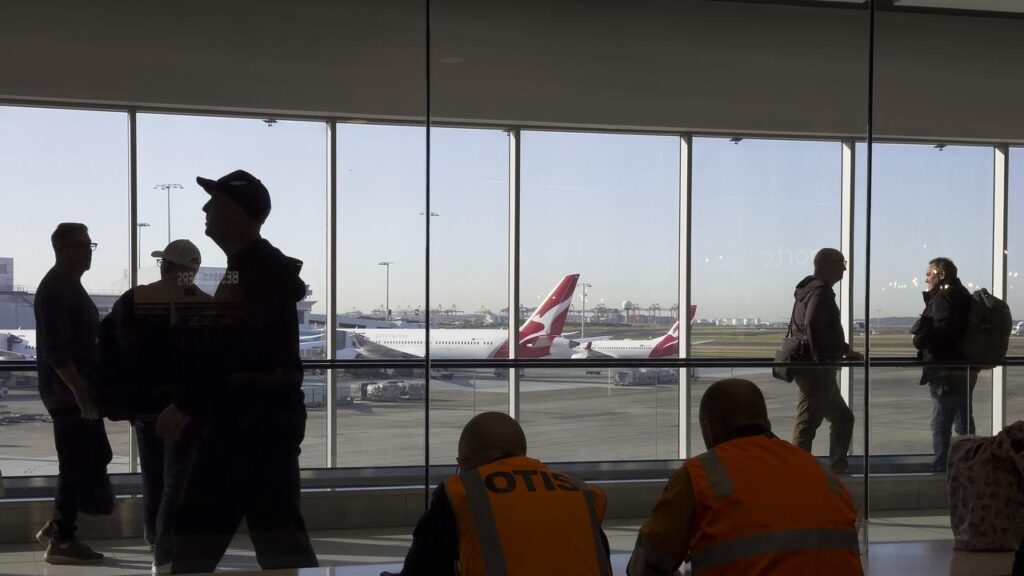
Visitors to Sydney’s Qantas arrival hall at Terminal 3 between 10:30 PM and 11:00 PM on December 29, as well as passengers on board flight QF748 from Adelaide to Sydney arriving at the same time, are being urged to monitor for symptoms of measles, a potentially deadly disease. This alert extends to anyone who attended the Concord Repatriation General Hospital Emergency Department between 1:00 PM and 4:10 PM on January 3.
The alert follows the confirmation of a third measles case in travelers returning to Sydney after visiting Southeast Asia, a region currently grappling with ongoing measles outbreaks. New South Wales Health has identified over 50 potential exposure sites, including restaurants, train services, Woolworths locations in Sydney’s east and north, multiple hospitals, Sydney Airport’s international arrival terminal, and a children’s play area. The exposure period spans from December 3 to January 3.
Health Advisory and Monitoring
Visitors to the domestic arrivals hall and passengers on the Qantas flight are advised to monitor for symptoms until January 16, while individuals who visited Concord Hospital during the exposure window should remain vigilant until January 21. Health officials have assured that there is no continuing risk of exposure at any of these sites.
Measles is a vaccine-preventable disease that spreads through the air when an infected person coughs or sneezes. Symptoms typically appear 10 days after exposure and initially resemble the flu, with tiredness, fever, cough, runny nose, and sore, red eyes. A rash may develop within a few days.
Potential Complications and Preventive Measures
A third of those infected with measles experience complications, potentially requiring hospitalization for conditions such as ear infections, diarrhea, and pneumonia. In severe cases, measles can lead to serious illness or even death.
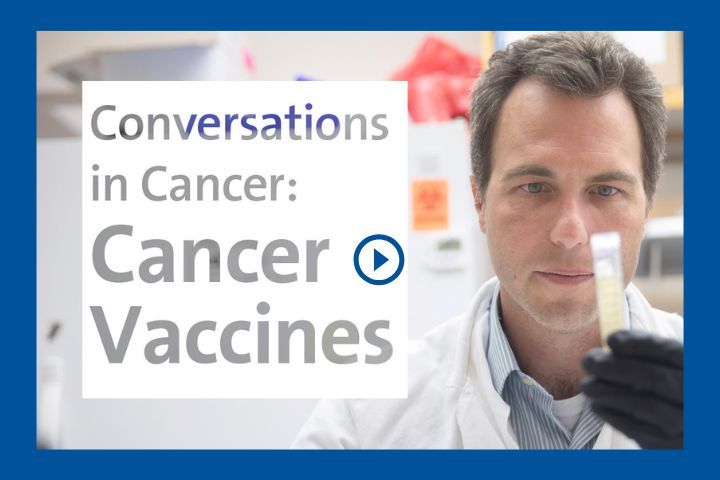
“The measles vaccine can prevent the disease even after exposure if given early enough,” said Dr. Conrad Moreira, Acting Director of Public Health for the Western Sydney Local Health District. “This should be a reminder for everyone to check that they are protected against measles, which is highly infectious.”
Dr. Moreira emphasized the importance of vaccination, particularly for travelers. “Anyone born after 1965 needs to ensure they have had two doses of the measles vaccine. This is especially important before overseas travel, as measles outbreaks are occurring in several regions of the world at the moment.”
Global Outbreaks and Local Response
Currently, popular destinations for Australian tourists, such as Indonesia (including Bali), Vietnam, Thailand, and the Philippines, are experiencing measles outbreaks. In response, children as young as six months can receive the measles-mumps-rubella (MMR) vaccine if traveling overseas, and it remains safe for children aged between 12 and 18 months. The vaccine is also free in NSW for anyone born after 1965 who hasn’t already received two doses.
The recent surge in cases serves as a stark reminder of the importance of vaccination and the need for vigilance in monitoring symptoms. As health officials continue to track potential exposure sites, the public is urged to remain informed and proactive in seeking vaccination to prevent further spread of the disease.
Looking forward, health authorities are focusing on increasing public awareness and ensuring that vaccination programs are accessible and comprehensive. With global travel resuming, the risk of infectious diseases like measles re-emerging underscores the critical role of public health measures in safeguarding community health.