



February 3, 2026 — The Sydney Gay and Lesbian Mardi Gras has announced the cancellation of its highly anticipated $2 million after-party, just weeks before the event was set to occur. This decision comes amid significant internal tensions within the organization and ongoing financial challenges.
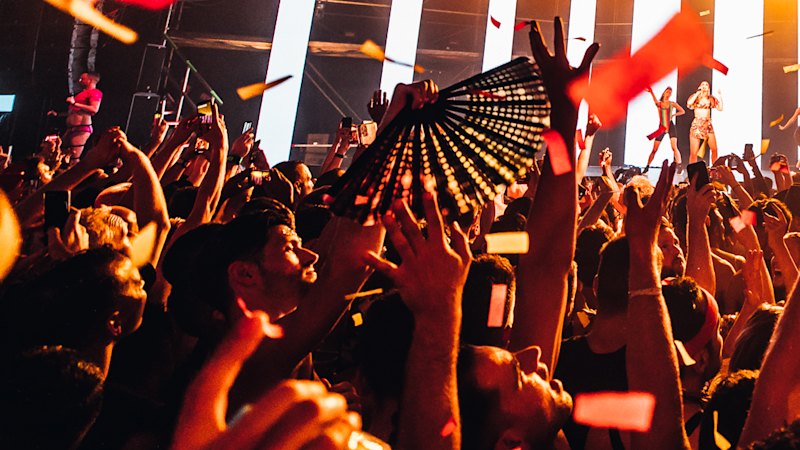
On Tuesday, Mardi Gras CEO Jesse Matheson revealed that the after-party, traditionally attracting over 10,000 attendees, has been financially unsustainable since 2020. “I was appointed CEO to renew the festival following two years of substantial financial loss. A major contributor to that loss has been the Mardi Gras Party, which has run at a deficit every year since 2020 following the loss of the Royal Hall of Industries,” Matheson stated.
Financial Struggles and Strategic Shifts
Matheson explained that the decision to cancel the party was part of a broader strategy to stabilize the organization. “The decision was made to cancel all events except Parade, Fair Day, Laneway, and the Glitter Club viewing area, and to create Black Cherry and a new celebration event for the First Nations community, After Party with Blak Joy,” he added.
Community producers and cultural institutions have stepped in to support some events. Notably, the Inner West Council announced it would host the Sissy Ball, showcasing the community’s resilience and adaptability.
“This decision was not taken lightly. Facing an existential threat to the future of Mardi Gras, and with new sponsorship uncertain, it was absolutely the right decision,” Matheson emphasized.
Internal Board Tensions
The announcement follows a period of discord within the Mardi Gras board, marked by conflicts between co-chairs Kathy Pavlich and Mits Delisle and Pride in Protest board directors Luna Choo and Damien Nguyen. On January 13, the board decided against implementing three motions from Pride in Protest, which advocated for increased focus on transgender rights, anti-discrimination law reform, and funding.
Choo and Nguyen, who supported these motions, found themselves at odds with the board’s decision. Their use of official Mardi Gras emails to communicate their stance led to their subsequent lockout from these accounts on January 23. This action was followed by a board decision to censure Choo and Nguyen, a move supported by Delisle and Pavlich.
Delisle stated, “Using [official email accounts] for campaigning or advocacy against the organization crossed a clear governance boundary.”
Controversy and Misgendering Apology
The controversy deepened when Choo, a transgender woman, was misgendered in the censure motion. Delisle issued an apology for this error, acknowledging it as a “serious matter” and committing to using correct pronouns in the future.
In response, Choo and Nguyen backed a censure motion against Delisle and Pavlich, accusing them of failing to uphold governance standards by misgendering Choo. Despite this, Delisle and Pavlich’s motion to censure Choo and Nguyen was successful.
“From calling me a man in the motion notice, censuring all pro-trans directors two weeks from season, to continually blocking support for transgender rights calls from members. This is bigotry masked in corporate-speak,” Choo remarked.
Implications for the Future
The cancellation of the Mardi Gras Party and the internal board conflicts highlight the challenges facing the organization as it navigates financial recovery and governance issues. The situation underscores the broader struggle for inclusivity and representation within the LGBTQ+ community, particularly concerning transgender rights.
As Mardi Gras seeks to rebuild and strengthen its financial and organizational foundations, the focus will likely remain on fostering unity and inclusivity within its ranks. The future of the Mardi Gras Party remains uncertain, but Matheson expressed optimism that it will return in a more sustainable form.
For now, the Sydney Gay and Lesbian Mardi Gras continues to prepare for its remaining events, with hopes of celebrating diversity and community spirit amidst these challenges.