
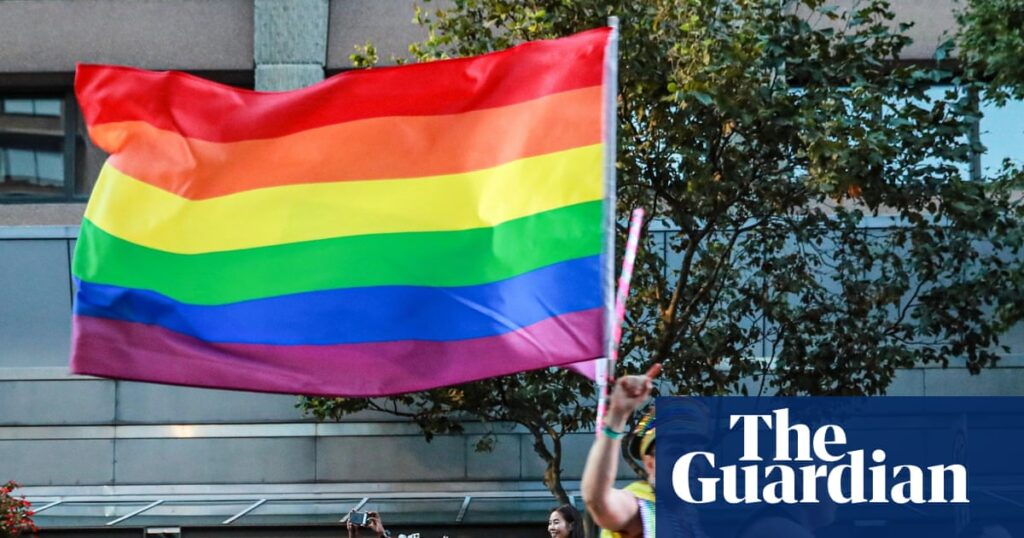
As the annual Sydney Gay and Lesbian Mardi Gras parade traditionally reaches the end of Oxford Street and transitions into a vibrant after-party at the Entertainment Quarter, this year’s festivities will be notably different. The anticipated after-party, a staple event featuring international stars like Kylie Minogue and RuPaul, has been cancelled. On Tuesday, Jesse Matheson, the chief executive of Mardi Gras, announced the “heartbreaking” decision, citing significant financial losses over the past two years.
Typically, tickets for the after-party would be on sale by November, with headliners announced by January. However, in its 48th year, the absence of ticket sales and headline announcements signaled trouble. The cancellation, just weeks before the February 28 parade, has raised concerns about the decision to involve a third-party organizer amid ongoing debates about the festival’s future direction.
Financial Struggles and Strategic Decisions
Matheson explained that the cancellation aims to stabilize the organization amid an “existential threat” due to sponsorship uncertainties. The 2025 annual report revealed a small net operating surplus of $401,750, attributed to early sponsorship funds from American Express, which ended its principal sponsorship prematurely. Despite this, several events underperformed financially, contributing to the decision to cancel the after-party.
In 2026, Mardi Gras partnered with Kicks and Bizarro, subsidiaries of Live Nation, to manage the event, hoping their expertise would attract major acts and bolster the party’s success. However, the 2025 report showed ticket sales fell short, with revenue at $1.36 million against costs of $1.5 million, resulting in a loss exceeding $143,000.
“After reviewing the Mardi Gras party’s financial performance, capacity constraints following the loss of the RHI, community feedback, and changing demographics of attendees, it became clear that the event in its traditional format was no longer fit for purpose,” Matheson stated.
Community Reactions and Political Tensions
The cancellation has sparked criticism from within the community. Pride in Protest, a group advocating for a more activist stance, blamed the outcome on the involvement of Kicks and Live Nation. Wei Thai-Haynes, a former Mardi Gras board member, expressed disappointment, questioning the outsourcing decision. Miles Carter, another spokesperson, described bringing in Kicks as “a horrific mistake.” Live Nation declined to comment on the situation.
Meanwhile, smaller, unofficial after-parties like Poof Doof and Heaps Gay are experiencing a surge in popularity, with some suggesting these community-driven events should have been prioritized. DJ Dan Murphy publicly offered his expertise to help ensure future Mardi Gras parties are memorable.
Internal Divisions and Governance Challenges
The cancellation is symptomatic of broader tensions within Mardi Gras. A contentious annual general meeting in November highlighted divisions between groups like Pride in Protest and Protect Mardi Gras, each advocating different visions for the festival’s future. Pride in Protest opposes corporate and police involvement, while Protect Mardi Gras warns against creating divisive spaces by excluding them.
Three motions passed at the AGM, including calls for anti-discrimination reform and full public funding, were rejected by the board, citing governance standards and strategic priorities. This decision led to further disputes, with two board members, Luna Choo and Damien Nguyen, censured for using official emails to support certain motions.
Political figures have also weighed in. NSW shadow arts minister Chris Rath called for a review of state funding for Mardi Gras, citing financial instability. However, the Minns government dismissed this suggestion, emphasizing the importance of the festival’s inclusivity and broader representation.
Looking Forward
As Sydney prepares to welcome tens of thousands of visitors for the parade, the aftermath of the cancellation and ongoing debates will linger. The event’s financial sustainability and political dynamics remain pressing issues. The future of the Sydney Gay and Lesbian Mardi Gras is uncertain, but its significance as a cultural and social landmark endures.