




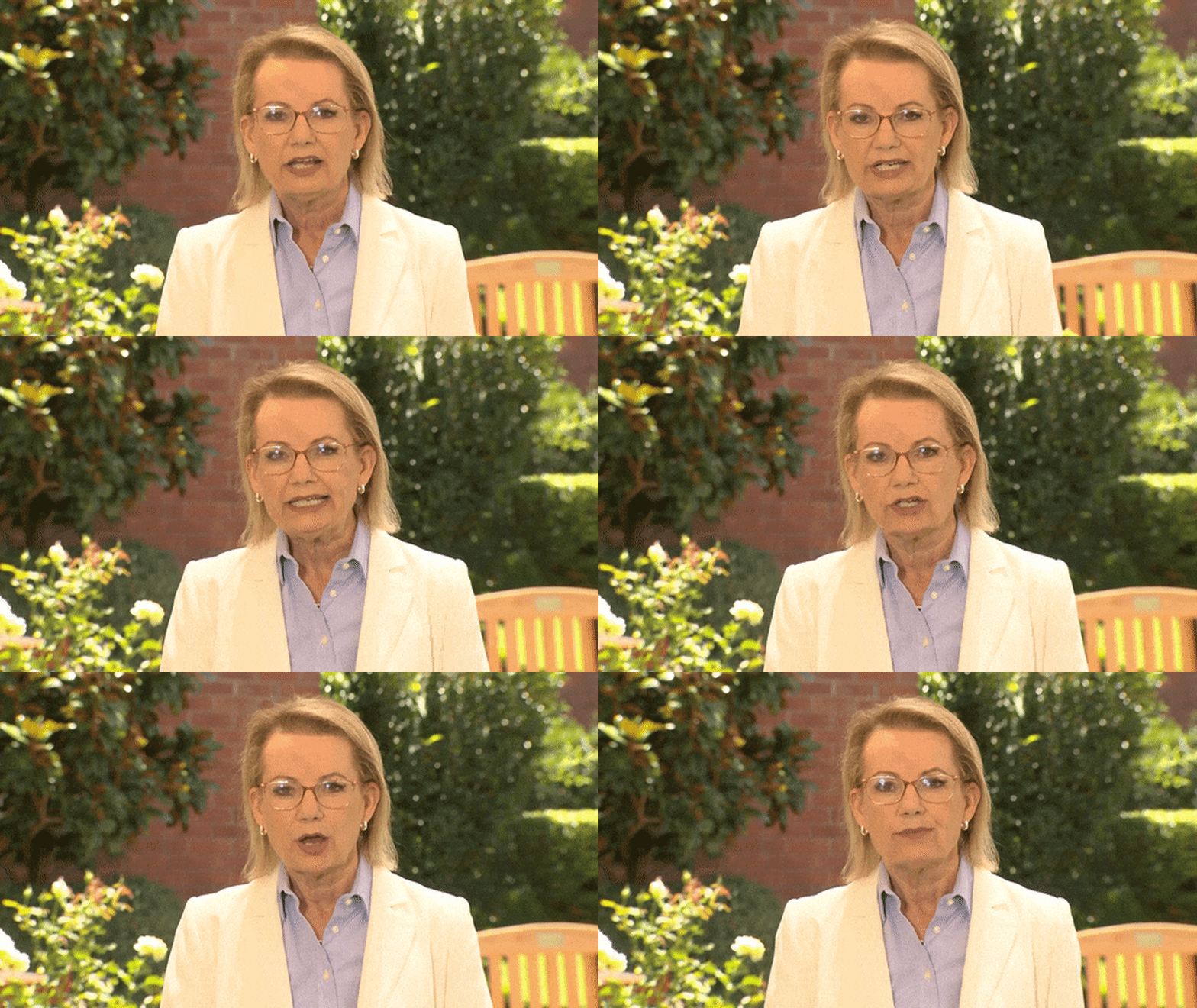
Opposition Leader Sussan Ley inadvertently sparked controversy during a press conference in Albury on Friday when she mistakenly referred to the “illegal occupation of Ukraine by the Soviet Union.” The slip of the tongue comes 34 years after the dissolution of the USSR, highlighting the sensitivity surrounding the ongoing conflict in Ukraine.
While discussing Australia’s provision of 49 Abrams tanks to Ukraine, Ley intended to emphasize the need for government support against Russia’s aggression. Instead, she mistakenly mentioned the defunct Soviet Union, causing confusion and criticism.
“The government should always stand ready to support the illegal occupation of Ukraine by the USSR, by the Soviet Union, and unfortunately, it’s taken too long to provide this support in the form of the Abrams tanks,” Ley stated. Her comments were quickly clarified by a spokesperson, who explained that Ley meant to reference Russia, not the former Soviet Union.
The Historical Context of the Soviet Union and Ukraine
Ukraine was part of the Soviet Union until its dissolution on December 26, 1991. The breakup of the USSR marked a significant geopolitical shift, with Ukraine gaining independence and establishing itself as a sovereign nation. Russian President Vladimir Putin has often expressed regret over the Soviet Union’s collapse, calling it the “greatest geopolitical catastrophe of the century.”
Putin’s illegal incursion into Ukraine on February 22, 2022, is widely viewed as an attempt to reclaim territory lost by Moscow in 1991.
The historical ties between Russia and Ukraine, coupled with Putin’s ambitions, have fueled ongoing tensions and conflict, making Ley’s slip particularly poignant in the current geopolitical climate.
Political Gaffes: A Common Occurrence
While politicians are typically well-prepared, verbal missteps are not uncommon. Such gaffes can sometimes overshadow the intended message, as seen in Ley’s case. In early 2025, a similar incident occurred when Labor’s then-employment minister Murray Watt misspoke during an interview on Seven’s Sunrise program.
Asked about the date of Australia Day, Watt mistakenly suggested a change in government policy, saying: “No, I think the date should change Eddy. That’s exactly the position of the government.” He quickly corrected himself, reaffirming the government’s stance on maintaining the current date.
“We’ve said repeatedly we don’t want to change the date, and I’m not surprised to see that percentage of people in Australia say we should keep the date in place,” Watt clarified.
Implications and Moving Forward
The incident involving Sussan Ley underscores the importance of precision in political communication, especially concerning sensitive international issues. Misstatements can lead to misunderstandings and potentially impact diplomatic relations.
As the situation in Ukraine remains volatile, the role of international support, including military aid such as the Abrams tanks, is crucial in Ukraine’s defense against Russian aggression. Ley’s comments, albeit a gaffe, highlight the ongoing debate over the level and speed of support provided to Ukraine.
Moving forward, political leaders will likely continue to navigate the complexities of international diplomacy with caution, ensuring their statements accurately reflect their intended policies and positions.
For more insights into federal politics and expert analysis, subscribers can sign up for our weekly Inside Politics newsletter.