

The Cairns and Hinterland Hospital and Health Service has rebranded the potentially deadly tropical disease melioidosis as “melio” in an effort to enhance community safety. This change follows an alarming near fourfold increase in cases within the region this year.
The disease, a soil-borne bacterial infection, is prevalent in the northern Australian tropics and often emerges after heavy rainfall. The Cairns region, which extends from Cardwell in the south to Cow Bay in the north and out to Croydon in the west, has reported 131 cases and 17 deaths this year alone.
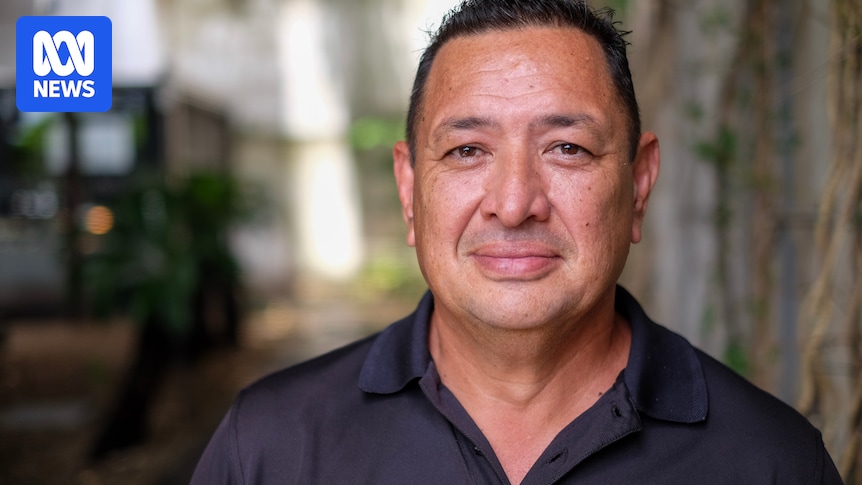
Chuck Irvine, a 52-year-old plumbing business manager from Cairns, is among the survivors of this potentially lethal disease. “It was terrifying, painful, and very scary,” he recounted. Initially mistaking his symptoms for a flu-like illness, Irvine sought medical attention after enduring three weeks of fevers reaching up to 41 degrees Celsius.
Understanding Melioidosis
Melioidosis, now simply referred to as “melio,” is caused by the bacterium Burkholderia pseudomallei. The infection can affect various parts of the body, leading to symptoms that range from mild to severe. Irvine’s case was particularly severe, with the infection spreading to his lungs, hip bone, arteries, stomach, and right leg, necessitating an emergency surgical procedure to install an artificial artery.
The precise mode of transmission in Irvine’s case remains uncertain, though he speculates that scratches from his dog might have played a role. The disease is known to become airborne following heavy rain, posing a risk to individuals with pre-existing health conditions such as cancer, kidney disease, diabetes, or respiratory issues.
Record-Breaking Year for Melioidosis Cases
This year has seen a significant rise in melioidosis cases across Australia. Queensland alone has recorded 248 cases, while the Northern Territory has reported 65 cases since October 2024, including seven in the current wet season. Western Australia has documented four cases.
“The previous highest number of annual cases recorded in the Cairns region was 55 in 2022,” according to state health authorities.
The Australian Bureau of Statistics reported that nine people died from glanders and melioidosis in Australia in 2024.
Community Safety Campaign
In response to the surge in cases, the Cairns Public Health Unit has launched a campaign to raise awareness and encourage protective measures against the bacteria. “We’ve changed it to make it easier to remember. People can start a conversation about it,” said unit director Jacqueline Murdoch.
Dr. Murdoch emphasized the importance of staying indoors during heavy rain, especially for those with underlying health conditions. She noted that while the cause of this year’s sharp increase in cases is unclear, the significant 2024-25 wet season likely contributed.
“We’re continuing to look into that, we’re sequencing the bacteria genomically, environmental sampling,” Dr. Murdoch explained. “We know the bacteria doesn’t live in all kinds of soil or clay. We don’t know if it’s going to happen again this year.”
Personal Impact and Precautions
Nearly six months after his ordeal, Irvine has largely recovered and is back to “95 percent” of his health. The experience cost him three months of sick leave from work. As a long-time Cairns resident, Irvine was aware of the disease but never expected to be personally affected. “I’m not out digging around in the dirt very much,” he said, noting that he now takes precautions such as wearing gloves while gardening.
The rebranding of melioidosis to “melio” is part of a broader effort to improve public understanding and response to this tropical disease. As health authorities continue to investigate the reasons behind the recent spike in cases, the community is urged to remain vigilant and adopt recommended safety measures.