

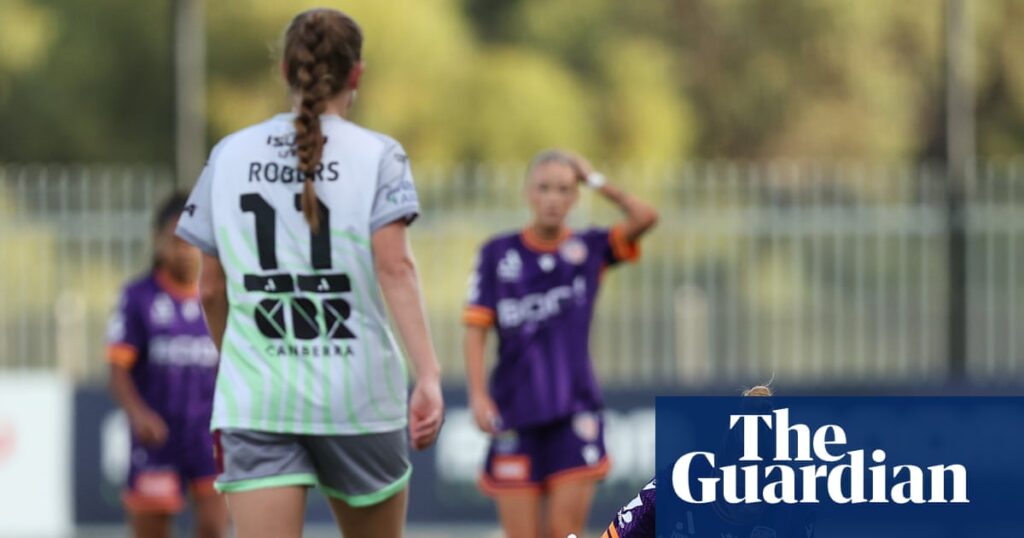
Cannon Clough didn’t realize the gravity of her situation when she first hit the ground. After leaping to defend a high ball for the Central Coast Mariners, the defender felt a jolt through her leg. As she landed, her foot twisted one way and her body another, followed by an ominous pop.
“I was like ‘oh, that was weird,’” Clough recounted. “I hadn’t been in the game for long at all, but the staff were like ‘you look really white’ and then I went into shock. Initially, they thought: no issues. Structurally, they thought it felt pretty good. But after a scan, they found it was an ACL and a meniscus tear. It was a shock for something so silly and simple to be the end of the season for me.”
Clough is among seven A-League Women players who have suffered an anterior cruciate ligament tear during the 2025-26 season. In the past two weeks alone, four players—Clough, Sabitra Bhandari, Grace Kuilamu, and Isabella Coco-Di-Sipio—have sustained this debilitating injury.
Understanding the Surge in Injuries
There is currently no publicly available data tracking ACL injuries in the A-Leagues, nor is there any dedicated internal research exploring the circumstances of their occurrence. This lack of information mirrors a global trend: despite women athletes being two to six times more likely than men to tear their ACLs, only 6% of all sports science research focuses on women’s bodies.
However, organizations such as the Michelle Kang-founded Kynisca and Fifpro, the global players’ union, are working to change that. Fifpro launched Project ACL, a multi-year initiative investigating ACL injuries in England’s Women’s Super League in 2024, focusing on environmental factors such as access to facilities, staff, equipment, recovery, game schedules, and travel.
“The day-to-day conditions that players experience is sometimes ignored because attention on this topic often pivots to: ‘this is an ACL injury, therefore it’s medical’,” Dr. Alex Culvin, director of women’s football at Fifpro, says. “What is overlooked, though, is the lack of holistic research done on conditions; the real quality control issue that we have in women’s football.”
Environmental and Structural Challenges
For Clough and her Mariners teammate, Taren King, who returned from her own ACL injury last season, the condensed schedule of ALW matches during the holidays, combined with summer temperatures, increased travel, and lack of appropriate off-field support, could explain the recent surge in injuries.
Additionally, the league’s part-time structure means players aren’t afforded the same rest time as fully professional footballers, with training and recovery squeezed in around other work commitments. For an injury that can take more than 12 months to heal, a 32-week contract often leaves players fending for themselves.
“The darkest days are when you feel you’re on your own,” King says. “You don’t really have anyone to lean on, getting out of bed to go and do your rehab is tough because there’s no one there making sure you do it.”
Calls for Full-Time Professionalism
It’s why King and Clough, alongside the entire playing cohort, are advocating for the league to become full-time as of next season. With more investment comes more research that can help prevent major injuries and sustain the careers of Australia’s best women footballers.
“If we’re full-time, hopefully it means the staff will be full-time too, which means they’re not spread too thin and you can actually get the care you need,” Clough says. “You don’t have to self-motivate or find ways to set it up yourself; it’s a structure that’s already set up for you, so you just show up to work and do your thing.”
The move towards full-time professionalism is seen as crucial not just for player welfare but for the overall health of the league. As Clough aptly puts it, “It’s just making sure the engine, the athletes—the things that need to keep working—actually keep working. Otherwise, the whole league suffers.”
As the A-League Women faces this critical juncture, the push for more comprehensive research and better playing conditions will likely continue to gain momentum. The future of women’s football in Australia may well depend on how these challenges are addressed in the coming years.