




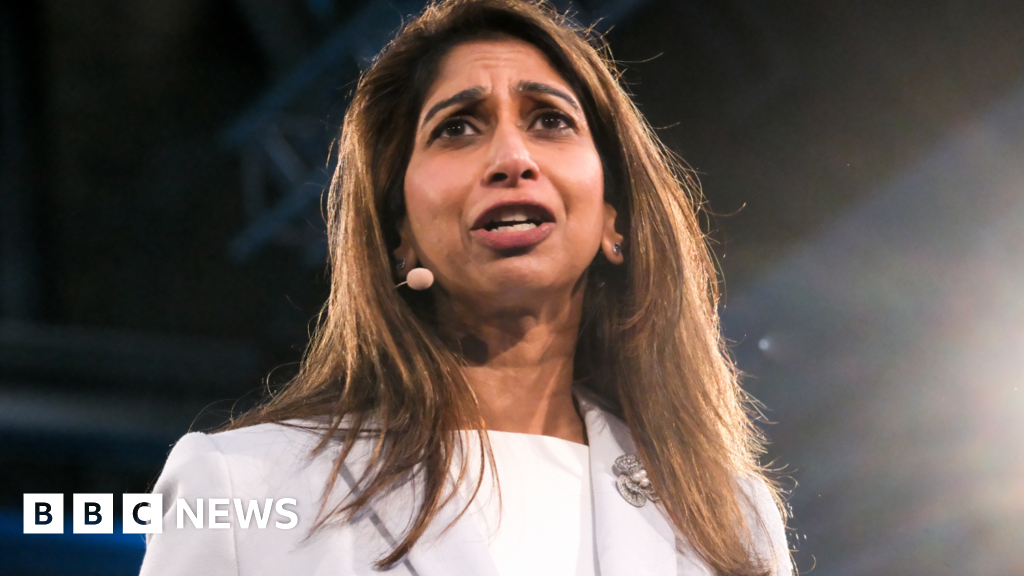
Suella Braverman, the former UK Home Secretary, has made a significant political shift by joining Reform UK, a move that underscores her dissatisfaction with the Conservative Party’s current direction. This decision comes as a surprise to many, given her earlier statements urging the Conservatives to win back voters who had switched allegiance to Reform UK. Braverman’s defection marks a pivotal moment in British politics, highlighting the growing influence of Nigel Farage’s party.
Braverman, a prominent figure on the right wing of the Conservative Party, has long been speculated to join the Reform movement. Her recent comments reflect a deep disillusionment with her former party, stating that the Conservatives are “too weak to save themselves, let alone the country.” Her departure follows a series of high-profile defections, indicating a potential shift in the political landscape.
From Conservative Stronghold to Reform Advocate
Braverman’s political journey began with her election as a Member of Parliament for Fareham in 2015, a role she secured through her diligent work and commitment to Conservative values. Her victory in the newly-created Fareham and Waterlooville seat in 2024, albeit with a reduced majority, showcased her enduring appeal among constituents despite the broader Tory losses that year.
Her political ambitions were evident early on, having been a potential contender in the leadership race following the Conservatives’ 2024 electoral defeat. However, Braverman chose not to enter the contest, and her exclusion from Kemi Badenoch’s shadow cabinet further fueled her criticism of the party’s policies on immigration, net zero, and what she termed “woke” ideologies.
Early Influences and Political Roots
Braverman’s conservative leanings were apparent from her school days. In 1997, she won a mock election as the Conservative candidate at her independent school in Harrow, demonstrating her ability to sway opinions even then. Born Sue-Ellen Fernandes, she was named after a character from the TV show Dallas, reflecting her family’s cultural influences.
Her parents, both of Indian origin, met in London under challenging circumstances, with her father fleeing Kenya and her mother emigrating from Mauritius. These experiences likely shaped Braverman’s perspectives on immigration and identity.
Legal Career and Political Ascent
Braverman’s legal career was marked by notable achievements, including passing the bar exams in both London and New York. Her legal expertise paved the way for her entry into politics, where she quickly became known for her staunch support of Brexit. As chair of the Eurosceptic European Research Group, she played a crucial role in shaping the post-referendum political discourse.
Her resignation from the Department for Exiting the European Union in protest against Theresa May’s Brexit deal highlighted her commitment to a hardline stance on the issue. This principled stand earned her respect among like-minded colleagues and set the stage for her subsequent political roles.
Return to Government and Controversies
Under Boris Johnson’s leadership, Braverman was appointed Attorney General, a position that saw her navigate complex legal challenges, including the controversial Internal Market Bill. Her support for the bill, which contravened international law, drew criticism but also underscored her willingness to take bold positions.
Braverman’s tenure as Home Secretary under Liz Truss was short-lived, ending abruptly after a breach of protocol involving the sharing of a government document. Despite this setback, her influence within the party remained significant, culminating in her recent decision to join Reform UK.
Implications for the Conservative Party
Braverman’s defection to Reform UK signals a potential realignment within British politics, as disaffected Conservatives seek alternatives to express their right-wing views. Her move could embolden other party members who share her frustrations, leading to further fragmentation within the Conservative ranks.
According to political analysts, Braverman’s departure reflects broader challenges facing the Conservatives, as they grapple with internal divisions and a shifting voter base. The rise of Reform UK poses a strategic dilemma for the party, which must now navigate a landscape where traditional loyalties are increasingly fluid.
The coming months will be crucial as the Conservatives attempt to consolidate their position and address the issues that have driven figures like Braverman to seek new political homes. Whether her defection will spark a broader exodus remains to be seen, but it undoubtedly marks a turning point in the ongoing evolution of British politics.