
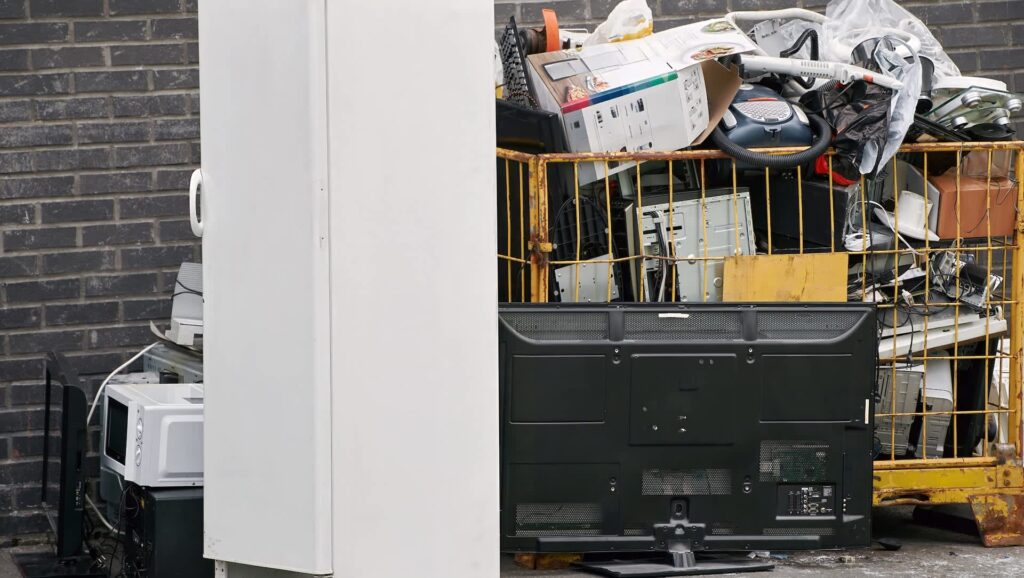
As technology becomes an integral part of daily life, the issue of electronic waste continues to grow. Recently, a tech enthusiast made headlines with an unexpected find at a Target recycling center: a 2nd Generation 11-inch iPad Pro. The discovery, shared on the subreddit r/dumpsterdiving, underscores the potential value hidden in discarded electronics.
The finder, who also sourced an Apple Pencil and cover from a thrift shop, revealed that the iPad only required a simple ribbon cable repair to become functional. This story is a testament to the adage, “One man’s trash is another man’s treasure,” and highlights a broader issue of electronic waste management.
The Growing Problem of Electronic Waste
According to the World Health Organization, “electronic waste is one of the fastest growing solid waste streams in the world.” This development follows a global increase in the consumption of electronic devices, from smartphones to laptops. However, improper disposal of these items poses significant environmental and economic challenges.
Electronic devices contain valuable components such as lithium batteries, which are costly and resource-intensive to produce. Discarding them carelessly not only wastes materials but also contributes to environmental pollution. Over a thousand harmful chemicals, including lead, can leach into the soil and water, posing health risks to vulnerable populations such as pregnant women and children.
Treasure Amongst Trash: Other Remarkable Finds
The iPad Pro is not the only valuable item recovered from electronic waste. Other dumpster divers have reported finding new, in-the-box electrical conduit fittings and even a classic Nintendo Entertainment System complete with games and controllers. These discoveries highlight the potential for recovering usable items from what many consider waste.
Commenters on the original post expressed amazement at the find. One remarked, “You got lucky as f*** with that one, great find,” while another simply added, “Wow!”
Economic and Environmental Implications
The economic impact of electronic waste is substantial. By discarding technology without proper recycling, society loses out on the opportunity to reclaim valuable materials. This not only affects the economy but also exacerbates environmental degradation. The presence of neurotoxicants like lead in electronic waste can have long-lasting effects on ecosystems and human health.
“Electronic waste is one of the fastest growing solid waste streams in the world.” – World Health Organization
Efforts to address this issue include local recycling programs and initiatives that offer rewards for recycling old electronics. Such programs not only help mitigate environmental damage but also provide incentives for individuals to participate in sustainable practices.
Solutions and Future Directions
To combat the growing electronic waste crisis, it is crucial to increase awareness of local recycling options and the benefits of responsible disposal. Many programs now offer financial incentives for recycling old devices, allowing individuals to contribute to environmental conservation while earning rewards.
As the world continues to grapple with the challenges of electronic waste, stories like the iPad Pro discovery serve as a reminder of the hidden value in discarded items. By promoting responsible recycling practices, society can reduce waste, conserve resources, and protect the environment for future generations.
Do you recycle your old electronics? Consider the impact of your choices and explore the options available in your community to make a positive difference.