


Watching dolphins play can evoke a sense of wonder and admiration. While these delightful interactions may seem fleeting, a recent study suggests that a subset of dolphins forms complex alliances based on strong, lifelong friendships, which may slow the aging process.
To explore this association, researchers drew on more than four decades of behavioral observations of a well-studied group of Indo-Pacific bottlenose dolphins in Shark Bay, Australia. The new research indicates that social relationships significantly influence the pace of biological aging in dolphins.
The Intricate Social Lives of Dolphins
The Shark Bay bottlenose dolphins are known for forming lifelong relationships that create some of the most intricate social structures in the animal world. Among these dolphins, males with close social bonds spend much of their time together, often traveling, foraging, mating, and resting in the same groups.
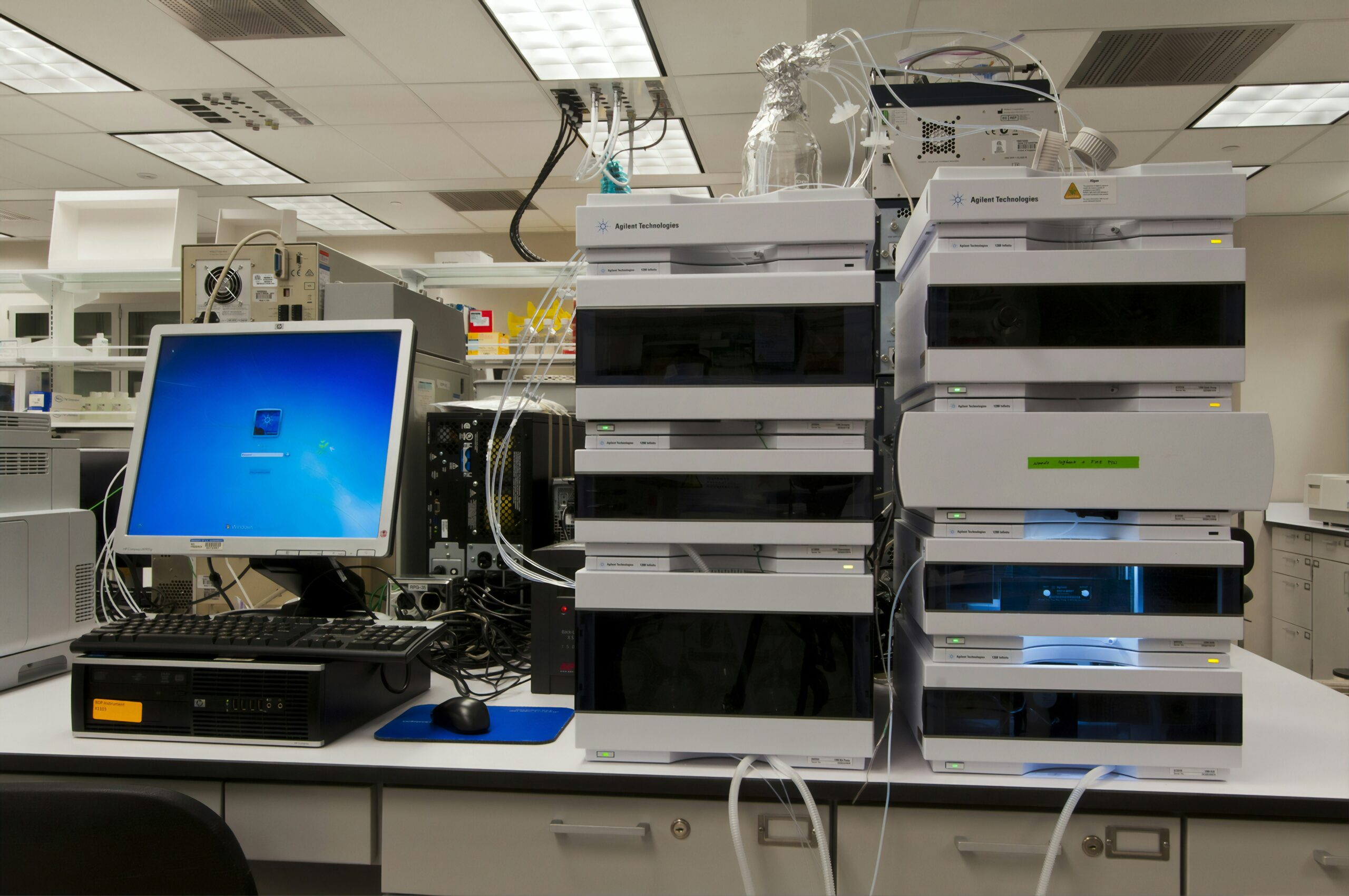
Within the Shark Bay population, researchers focused on 38 male dolphins with precisely known chronological ages. The team collected skin samples from these dolphins to measure DNA methylation patterns—biochemical modifications that determine which genes are activated—to estimate their biological ages. These patterns were analyzed using multiple epigenetic clocks, the gold-standard tool for estimating biological age. The main clock used in the study was specifically calibrated for the Shark Bay dolphin population to measure regular changes in chemical markers on DNA that accumulate over a lifetime.
“Aging is a complex process that includes DNA damage [such as] double-strand DNA breaks—it’s not just the mitochondria working faster or being exhausted or suddenly having a lot of mutations,” says the study’s lead author Livia Gerber.
Social Bonds and Biological Age
Then a postdoctoral fellow at the University of New South Wales in Sydney, Gerber and her team found that dolphins with stronger long-term social partnerships were biologically younger than their more solitary counterparts, as measured by epigenetic markers.
Social isolation can expose animals to prolonged stress, and ongoing exposure to the stress hormone cortisol negatively affects health in many animals, including humans. Social animals such as dolphins thrive in a social context. If they lack that social network, “that puts a lot of stress on their bodies, which makes them age faster,” Gerber explains.
In contrast, evidence shows that positive social interactions in dolphins and other animals are associated with the release of oxytocin, a hormone linked to social bonding and well-being.
“This research suggests that, across mammals, social bonds may buffer against stress and reduce aging rates,” says Ashley Barratclough, a conservation medicine veterinarian at the National Marine Mammal Foundation in California, who was not involved in the study.
Implications for Conservation and Human Parallels
It’s noteworthy that the quality of relationships, rather than simply social group size, affected the Shark Bay dolphins’ epigenetic aging. The type of social interaction also matters because large social groups could, paradoxically, have a negative effect on dolphins’ aging, Barratclough notes. “Improving our understanding of these mechanisms could help with the conservation of these species,” she adds.
The research suggests that the quality of dolphins’ relationships has a direct bearing on their aging process. Like humans, these cetaceans thrive when they feel cherished and have a sense of belonging. This study not only sheds light on the aging process in dolphins but also offers insights into the potential benefits of strong social bonds for other mammals, including humans.
As researchers continue to delve into the complexities of social relationships and aging, the findings from Shark Bay may help inform conservation strategies and improve our understanding of the social dynamics that contribute to longevity and well-being across species.