



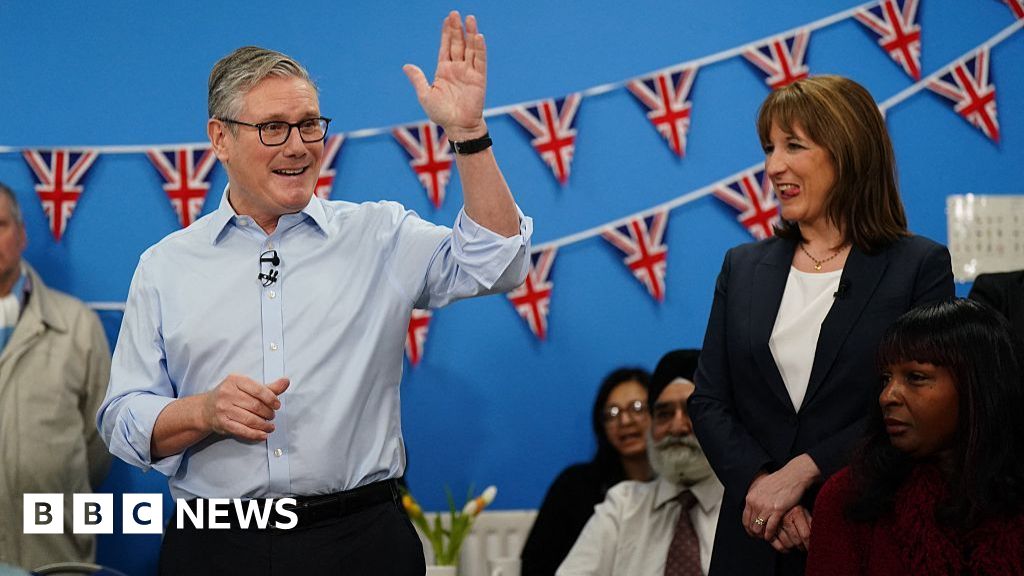
Prime Minister Sir Keir Starmer is set to endorse Chancellor Rachel Reeves’s Budget in a speech on Monday, committing the government to accelerate its pro-growth agenda. Starmer will argue that the Budget is designed to ease cost of living pressures, reduce inflation, and ensure economic stability.
This announcement comes as the Treasury faces scrutiny regarding its transparency about public finances leading up to the Budget. The Conservatives have accused Reeves of misleading the public with an overly pessimistic economic outlook, despite official forecasts suggesting a more positive scenario.
Controversy Over Economic Forecasts
No 10 has defended Reeves, denying allegations that she misled voters. Despite the Office for Budget Responsibility (OBR) downgrading growth projections for the coming year, Starmer is expected to highlight that “economic growth is beating forecasts,” emphasizing the need for further governmental action to foster growth.
The prime minister’s speech will also focus on protecting investment and public services as key drivers of financial growth. Additionally, he is expected to propose cutting “unnecessary red tape” in infrastructure, following a report indicating that the UK is the world’s most expensive place for nuclear power infrastructure development.
Calls for Reform and Sectoral Changes
Starmer will call for urgent reforms in the sector, particularly addressing “fundamentally misguided environmental regulation.” Business Secretary Peter Kyle has been tasked with applying insights from the nuclear power report to broader infrastructure initiatives.
The timing of Starmer’s speech, just five days after the Budget announcement, suggests some concern about public reception of the government’s economic plans. However, Downing Street insists that the speech was pre-planned.
Political Reactions and Accusations
In the aftermath of the Budget, Downing Street has had to publicly support Reeves amid accusations from political opponents. Critics claim she repeatedly warned of a downgrade in the UK’s economic productivity forecasts, potentially paving the way for tax increases.
“The public finances were in better shape than widely thought,” revealed the chairman of the OBR in a letter to MPs, dated September 17.
The Conservatives have accused Reeves of using a pessimistic portrayal of public finances as a “smokescreen” for tax hikes. Tory leader Kemi Badenoch has gone as far as to say that Reeves “lied to the public” and should be dismissed.
Official Responses and Media Appearances
A Treasury spokesperson stated, “We are not going to get into the OBR’s processes or speculate on how that relates to the internal decision-making in the build-up to a Budget, but the chancellor made her choices to cut the cost of living, cut hospital waiting lists, and double headroom to cut the cost of our debt.”
Both Chancellor Reeves and Badenoch are scheduled to appear on the BBC’s “Sunday with Laura Kuenssberg” program, where they are expected to address the ongoing controversy.
Implications and Future Steps
The unfolding situation highlights the delicate balance the government must maintain between fiscal responsibility and public perception. As Starmer prepares to make his case for the Budget, the coming days will likely see further debate over the accuracy and transparency of economic forecasts.
Looking forward, the government’s ability to effectively communicate its economic strategy and manage public expectations will be crucial. With key figures set to appear in media interviews, the discourse around the Budget and its implications for the UK’s economic future remains a focal point of national attention.