



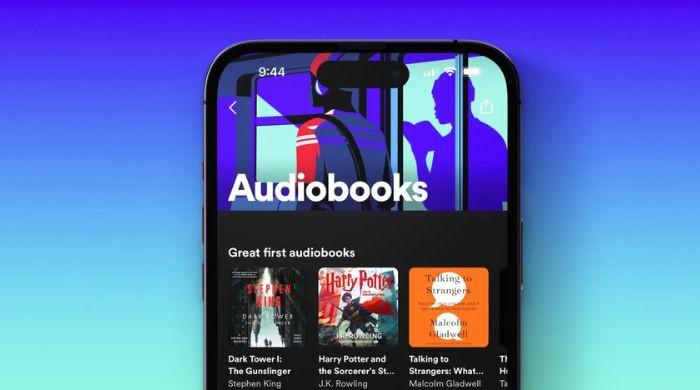
Spotify is exploring a groundbreaking feature, “Page Match,” designed to seamlessly connect physical books with their audiobook counterparts. Discovered within the code of Spotify’s Android app, this innovation is currently in the testing phase, promising to revolutionize how readers engage with books. By enabling users to switch from reading a paper book to listening to the audiobook on Spotify, “Page Match” aims to enhance the reading experience.
The feature utilizes the smartphone’s camera to scan a page of text. Employing optical character recognition (OCR) technology, the app identifies the passage and matches it to the corresponding timestamp in the audiobook. This allows readers to listen to the book from the exact point they left off, providing a fluid transition between reading and listening.
How “Page Match” Works
The technology behind “Page Match” is both innovative and intuitive. By scanning a page with the smartphone’s camera, the app uses OCR to recognize the text. It then cross-references this with the audiobook’s content to find the precise location, allowing users to continue their journey in audio form. Interestingly, the feature is designed to work in reverse as well, displaying the physical page number based on where an audiobook is paused.
If successfully launched, “Page Match” could offer a unique hybrid reading experience, setting Spotify apart from existing sync features like Amazon’s Whispersync for Voice, which only works between Kindle ebooks and Audible audiobooks. This development could significantly enhance Spotify’s audiobook offerings, appealing to a broader audience of book enthusiasts.
Challenges and Potential Impact
Despite the promising potential of “Page Match,” several challenges remain. One significant hurdle is the variation in page numbers across different editions of a book, which could complicate the synchronization process. Additionally, the reliability of OCR scanning technology is crucial for the feature’s success. Any inaccuracies in text recognition could disrupt the seamless experience Spotify aims to provide.
As of now, Spotify has not released an official statement regarding “Page Match.” However, the feature’s potential implications for the audiobook market are substantial. By offering a seamless transition between reading and listening, Spotify could attract a new segment of users who value flexibility in their reading habits.
Expert Opinions and Market Context
Experts in the publishing and technology industries are watching Spotify’s move with interest. According to industry analyst Jane Doe, “The integration of audiobooks with physical books could redefine how we consume literature. It offers a convenience that modern readers are increasingly seeking.”
Historically, the audiobook market has seen significant growth, with more consumers opting for audio formats due to their convenience and accessibility. Spotify’s entry into this space with a unique feature like “Page Match” could intensify competition, particularly with established players like Amazon and Audible.
“In 2022, the global audiobook market was valued at approximately $3.5 billion, with projections suggesting continued growth driven by technological innovations and increased consumer demand.” — Global Audiobook Market Report
Looking Ahead
As Spotify continues to test “Page Match,” the potential for a successful launch could reshape the landscape of audiobook consumption. By bridging the gap between physical and audio formats, Spotify not only enhances its service offerings but also sets a new standard for hybrid reading experiences.
While the challenges are notable, the successful implementation of “Page Match” could position Spotify at the forefront of audiobook innovation. As the company navigates these hurdles, the industry will be keenly observing how this feature could influence future developments in the audiobook and publishing sectors.