


Spain has raised an alert with the World Health Organization (WHO) regarding a potential human-to-human transmission of the swine flu virus in its A(H1N1)v variant. This development was reported by the Catalan health department, which has assessed the risk to the general population as “very low.”
According to the department, the infected individual did not exhibit typical flu-like respiratory symptoms. Furthermore, tests conducted on individuals who had direct contact with the patient showed no signs of the virus re-transmitting. This case has been closely monitored, and the patient has since recovered without any severe complications.
Investigating the Transmission Pathway
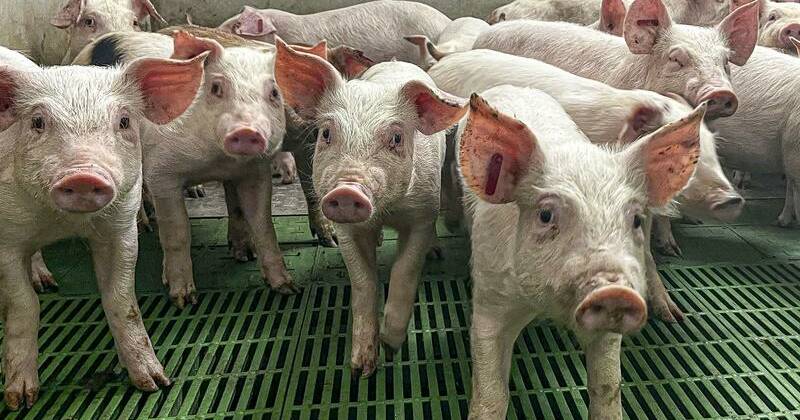
An earlier report by the Spanish newspaper El Pais, citing sources from the Catalan health department, revealed that the patient had no known contact with pigs or pig farms. This led experts to conclude that the transmission of the virus was likely from human to human. Such findings have raised concerns due to the potential pandemic risk posed by the swine flu virus, especially if it were to recombine with a human flu virus.
The possibility of a recombination event is particularly concerning. If a pig were to become infected with both swine and human flu viruses simultaneously, it could lead to the emergence of a new, more virulent strain. This scenario underscores the importance of vigilant monitoring and rapid response measures.
Global Context and Historical Parallels
The WHO has not yet responded to requests for comment from Reuters regarding this development. However, the incident in Spain is not isolated. In 2023, the Netherlands reported a confirmed human infection with the swine influenza A(H1N1)v virus in an adult with no history of occupational exposure to animals. These cases highlight the ongoing risk of zoonotic diseases and the need for global health preparedness.
Historically, swine flu has been a significant concern for public health officials. The 2009 H1N1 pandemic, which originated from a swine flu virus, resulted in widespread illness and fatalities worldwide. This historical context emphasizes the need for continued vigilance in monitoring influenza viruses and their potential to cause pandemics.
Expert Opinions and Future Implications
Experts in virology and epidemiology are closely watching the situation in Spain. Dr. Maria Sanchez, a leading virologist at the University of Barcelona, stated, “While the current risk to the population is low, the potential for the virus to mutate and spread more easily among humans is a concern that requires careful monitoring.” She further emphasized the importance of international collaboration in tracking and responding to such threats.
By the Numbers: The 2009 H1N1 pandemic resulted in an estimated 151,700 to 575,400 deaths worldwide, according to the Centers for Disease Control and Prevention (CDC).
The announcement from Spain serves as a reminder of the interconnected nature of global health and the importance of maintaining robust surveillance systems. As the world continues to grapple with the aftermath of the COVID-19 pandemic, the lessons learned are being applied to better prepare for future infectious disease threats.
Next Steps and Global Health Preparedness
The Spanish health authorities, in coordination with the WHO and other international bodies, are likely to enhance surveillance efforts and conduct further research to understand the transmission dynamics of the A(H1N1)v variant. Public health campaigns may also be initiated to educate the population on preventive measures and the importance of vaccination.
As the situation develops, it is crucial for countries to share information transparently and collaborate on research and response strategies. The global community must remain vigilant and proactive in addressing emerging infectious diseases to prevent future pandemics.