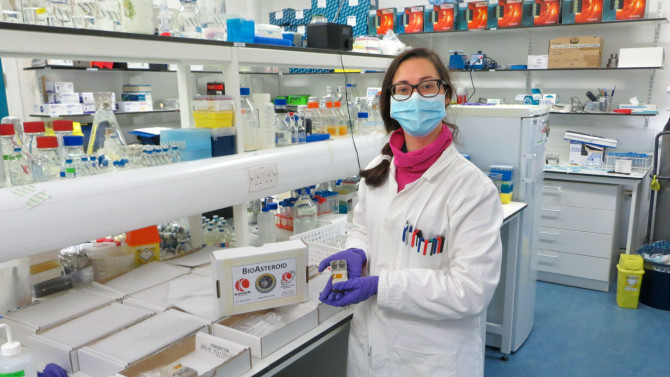

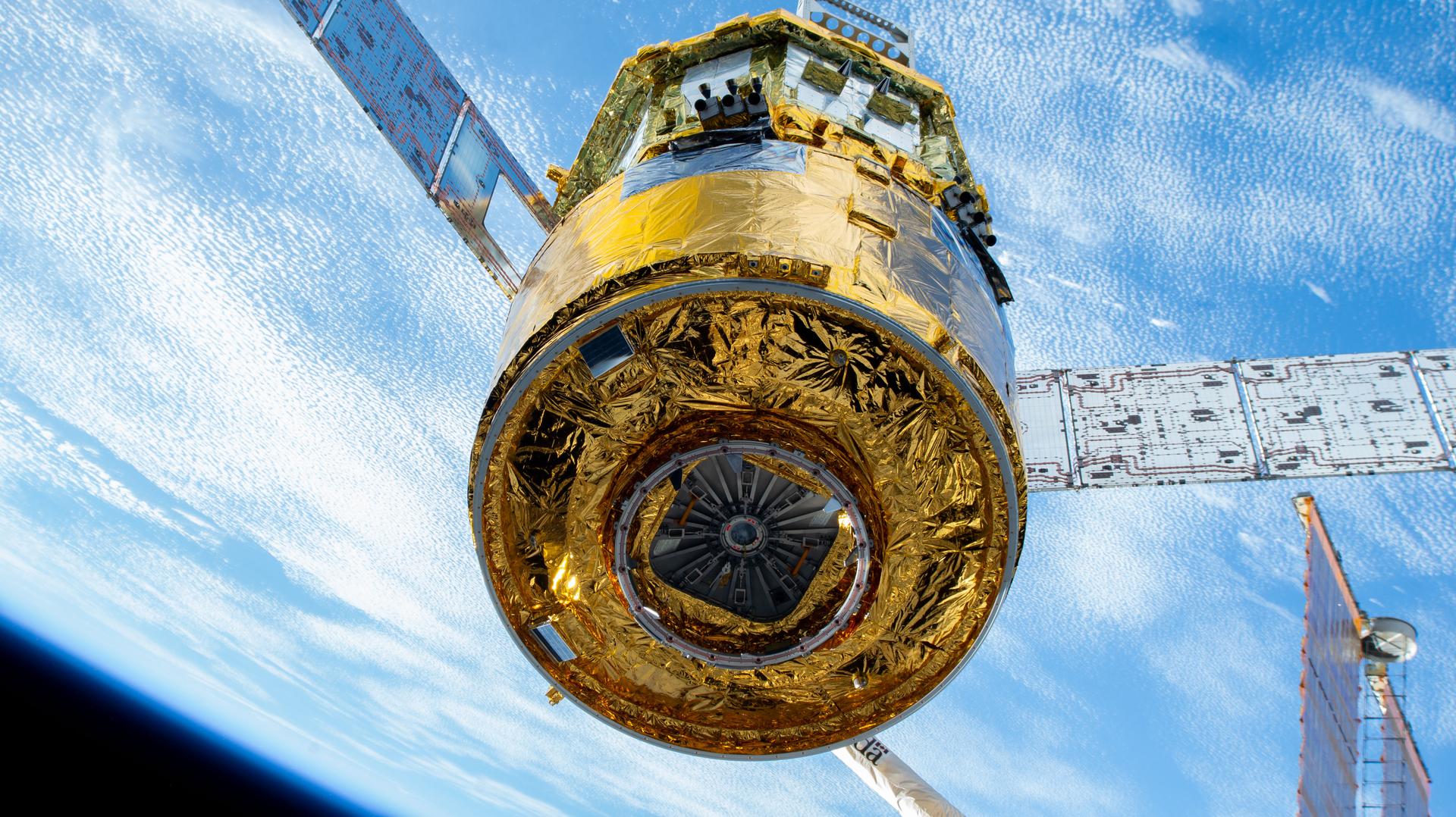



Global scientists have unveiled a groundbreaking roadmap for utilizing plants to support long-term human life on the Moon and Mars. This innovative research, published today in New Phytologist, could also revolutionize sustainable food production on Earth. The project, a collaborative effort involving over 40 scientists from 11 countries and seven space agencies, outlines the plant science breakthroughs necessary to create self-sustaining, plant-based life-support systems for deep space exploration.
The systems proposed would not only grow fresh food but also recycle water and air, supporting astronaut health and wellbeing. To guide future missions, the authors have introduced a new Bioregenerative Life Support System (BLSS) Readiness Level framework. This framework expands NASA’s existing crop evaluation scale, aiming to measure the effectiveness of plants in recycling nutrients, purifying water, generating oxygen, and providing nutrition in space habitats.
Advancements in Space Crop Science
The study highlights recent advances in crop science for space, including synthetic biology approaches, precision sensing systems, and controlled-environment agriculture. These innovations are crucial as NASA prepares for its Artemis III mission in 2027, marking humanity’s return to the Moon after 55 years. This mission will include the Lunar Effects on Agricultural Flora (LEAF) experiment, the first attempt to grow and return plants from the lunar surface.
Co-author Associate Professor Sigfredo Fuentes from the University of Melbourne, along with an international consortium, has examined how plants can be engineered, adapted, and monitored to thrive in lunar and Martian environments. “Space pushes us to design plant systems that are highly efficient, resilient, and precisely monitored,” Fuentes stated. “This work will help us grow food sustainably in drought-prone regions, cities, and remote communities.”
Implications for Earth’s Agriculture
Lead author Dr. Luke Fountain, a NASA Postdoctoral Fellow at the Kennedy Space Centre, emphasized the dual benefits of this research. “By learning to grow plants in space, we’re also improving the way we grow food on our own planet,” he said. “The technologies we develop for the Moon and Mars will help tackle global challenges in food, energy, and sustainability.”
Professor Matthew Gilliham, Director of the ARC Centre of Excellence in Plants for Space, echoed these sentiments, noting that technologies developed for space exploration will drive a more sustainable future on Earth.
“The innovations that will keep astronauts alive on the Moon, such as closed-loop farming, recycling, and resource efficiency, are the same technologies that will transform how we grow food and medicines on demand anywhere on Earth, from inner cities to remote regions, at any time of year,” Professor Gilliham stated.
Historical Context and Future Prospects
This research builds on discussions from the International Space Life Sciences Working Group (ISLSWG) Plants for Space Exploration workshop, held during the 2024 European Low Gravity Research Association conference. The collaboration represents a significant step forward in the intersection of space exploration and agricultural science, reflecting a growing recognition of the potential for space research to address terrestrial challenges.
As the world grapples with climate change and resource scarcity, the insights gained from space-based plant systems could offer critical solutions. The development of highly efficient, resilient agricultural systems may not only support future space missions but also provide a blueprint for sustainable agriculture on Earth.
Looking ahead, the integration of these technologies into mainstream agricultural practices could transform food production, making it more adaptable to changing environmental conditions. As scientists continue to explore the possibilities of plant-based life-support systems in space, the potential benefits for Earth remain a promising frontier for innovation and sustainability.