


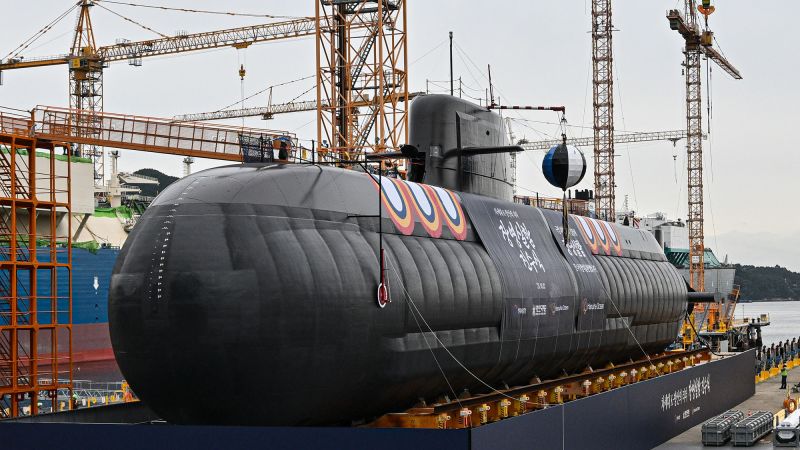
South Korea is poised to join the ranks of nations operating nuclear-powered submarines, following U.S. President Donald Trump’s recent endorsement. This strategic move could bolster South Korea’s defense capabilities against regional threats while simultaneously alleviating pressure on the U.S. Navy in the Pacific.
By becoming the seventh country to operate such advanced vessels, South Korea aims to counter North Korean and Chinese naval activities more effectively. This development could allow the U.S. Navy’s nuclear-powered attack submarines to focus more on critical areas like the South China Sea and Taiwan.
Strategic and Economic Implications
The potential construction of these submarines is expected to generate thousands of high-paying jobs in both South Korea and the United States. According to Yu Jihoon, a research fellow at the Korea Institute for Defense Analyses, “For South Korea, this would be a game-changer countering North Korea’s undersea threat.”
Yu further emphasized the strategic implications, noting that nuclear-powered submarines could enhance South Korea’s role as a security provider within its alliance with the U.S.
Technical and Political Challenges
Nuclear-powered submarines offer significant advantages, such as extended submersion capabilities and increased speed and stealth. However, South Korea has faced obstacles due to a longstanding nuclear agreement with the U.S. that prohibits reprocessing spent nuclear fuel.
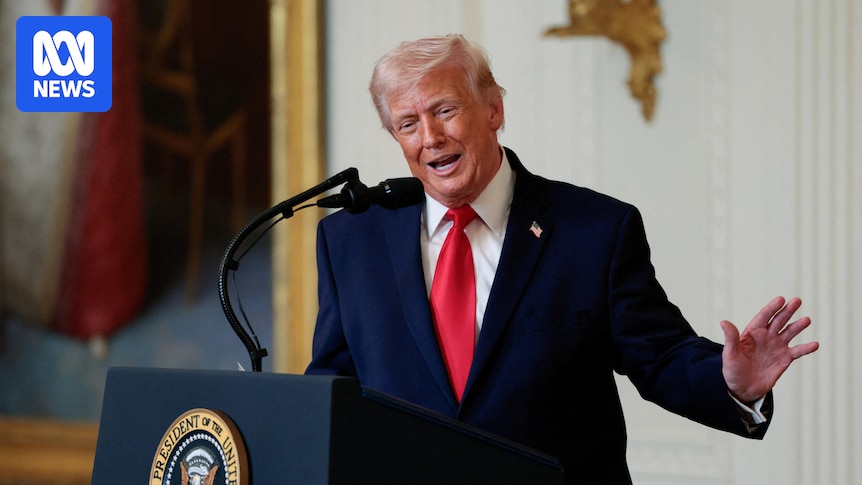
In a surprising move, South Korean President Lee Jae Myung openly requested the lifting of this ban during talks with Trump in late October. The following day, Trump signaled his approval on Truth Social, stating, “I have given them approval to build a Nuclear Powered Submarine.”
“There are four-hundred foreign submarines in the world, of which roughly 75% reside in the Indo-Pacific region. One hundred and sixty of these submarines belong to China, Russia, and North Korea.” — Adm. Philip Davidson
Manufacturing and Technological Considerations
The discussion on where to build these submarines remains contentious. Trump suggested they be constructed at the Philadelphia Shipyard, recently acquired by South Korean conglomerate Hanwha. However, South Korean officials prefer domestic production to secure technology transfer and industrial benefits.
Kim Dong-yeob, a South Korean military expert, expressed concerns, stating, “Building at the Philly shipyard means losing technology transfer. It is essentially no different from buying weapons built in the U.S.”
Despite these challenges, Hanwha Ocean is optimistic, planning to introduce advanced workforce training programs at the Philly shipyard. Yet, experts predict it could take at least a decade for South Korea to acquire a nuclear-powered submarine, even if the plan proceeds without delays.
Regional Reactions and Geopolitical Tensions
The pursuit of nuclear-powered submarines by South Korea has sparked reactions across the region. North Korea has criticized the move as a step towards nuclear weaponization, while China has urged caution, emphasizing the need for regional peace and stability.
“This is bound to cause a nuclear domino phenomenon in the region and spark a hot arms race.” — North Korean state media KCNA
Geopolitical expert Professor Kim from Kyungman University highlighted the potential economic repercussions from China, noting that South Korea’s participation in the U.S.-led strategy against China could invite economic retaliation.
Future Prospects and Considerations
As South Korea navigates the complex path towards acquiring nuclear-powered submarines, the implications for regional security and international relations remain significant. The strategic benefits must be carefully weighed against the potential for escalating tensions and economic consequences.
While the U.S. and South Korea continue to negotiate the technical and political details, the broader impact on the Indo-Pacific region will be closely monitored by global powers.