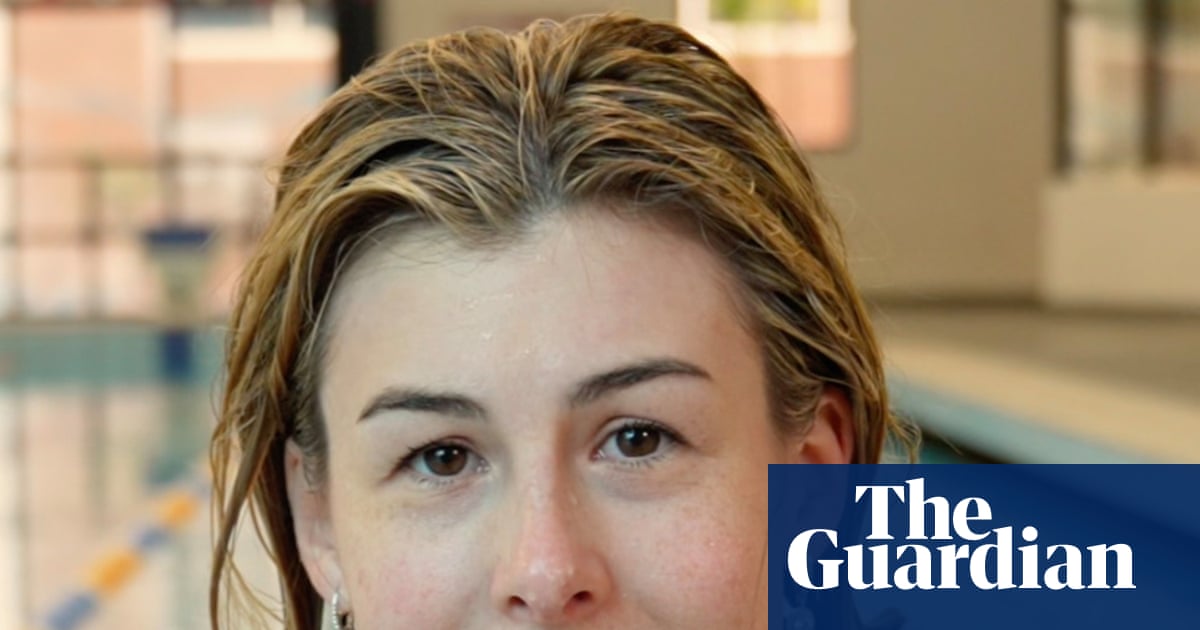



Ashton Hurn entered her campaign launch to the strains of “Ain’t No Mountain High Enough,” a fitting anthem for the uphill battle she faces. Hurn, who assumed leadership of South Australia’s beleaguered Liberal party in December, has consistently used mountain metaphors to describe her political journey. The challenge she confronts is formidable: the Labor party’s dominance, with the latest Newspoll showing the Liberal primary vote at a mere 14%, a level that could leave it without a single seat in the upcoming 21 March election.
The poll, conducted last week, places One Nation’s primary vote at 24%, with Labor leading at 44%. This scenario paints a daunting picture for Hurn, who must navigate a party that has been severely weakened by past electoral losses and internal strife. The conservative faction’s grip on the party machinery, a popular premier in Peter Malinauskas, and the looming threat of One Nation compound her challenges.
The Rise of One Nation and Its Implications
The surge in One Nation’s popularity has sparked significant interest in South Australia’s election, raising questions about its potential impact on federal politics. Rob Manwaring, a political scientist at Flinders University, notes that while state elections typically have limited influence on federal politics, this election could be different. “For the first time, we’ll get a stronger sense of how the One Nation vote might fracture and splinter the far-right vote overall,” he explains. “It tells us something about the total disarray and carnage in the Liberal party.”
Peter Lewis, executive director of Essential, offers a nuanced perspective. “On one level, the national One Nation vote is hypothetical because the [federal] election is so far away,” he says. However, “SA is the interesting first test of whether intention translates to actual ballot box endorsement.”
Labor’s Stronghold and Liberal Challenges
Polling consistently shows Labor, under the leadership of the popular premier Peter Malinauskas, poised for a significant victory. The current 47-seat House of Assembly comprises 28 Labor, 13 Liberal, and four independent MPs, with two seats vacant. Some analyses suggest that the Liberal party might not retain a single lower house seat, potentially positioning One Nation as the official opposition.
Malinauskas remains focused on broader political trends. “I’m more interested in what they represent as a phenomenon globally,” he says, referring to the rise of populist parties. He warns against dismissing the legitimate concerns of those drawn to One Nation, despite criticizing its anti-immigration stance.
Issues Facing the Malinauskas Government
While Malinauskas’s premiership has faced challenges, none have significantly dented his popularity. Key issues include hospital ramping, energy bills, and housing, which Hurn is likely to highlight in her campaign. Despite these challenges, Malinauskas emphasizes the state’s economic opportunities, citing full employment and a high standard of living.
Liberal Party Turmoil and Leadership Changes
The South Australian Liberal party has long been caught in a delicate balance between conservative and moderate factions. Recent years have seen a shift towards a more hardline conservative approach, led by federal senator Alex Antic. This internal struggle has been compounded by a series of crises within the parliamentary party.
Former leader David Speirs, who won his seat in 2022, resigned after legal troubles, leading to a by-election loss to Labor. Other notable issues include Troy Bell’s conviction on theft charges and Fraser Ellis’s legal challenges. These incidents have left the party in disarray, with Hurn stepping into leadership amidst these challenges.
Hurn’s Leadership and the Glass Cliff
Ashton Hurn, an accomplished and well-respected MP, was encouraged by her colleagues to take on the leadership role. She rejects the notion of a “glass cliff,” instead focusing on the task at hand. “I’m aware of the task at hand, and it’s a big challenge, but I’m also just determined to do a good job at it,” she asserts.
One Nation’s Potential Impact and the Role of Preferences
One Nation’s new upper house lead candidate, Cory Bernardi, claims the party will contest every seat, positioning itself as a strong opposition voice. Recent polls suggest One Nation is ahead of the Liberals in primary votes, though the margin varies. The distribution of preferences remains uncertain, as voting patterns become more volatile.
Manwaring notes that One Nation’s vote will likely be stronger in regional areas, with complexities arising in seats held by independents. Despite challenges, insiders believe Bernardi has a strong chance of winning a seat in the upper house.
Peter Lewis highlights the challenges One Nation faces in South Australia, noting the state’s traditionally moderate conservative base and popular incumbent premier. “If you wanted a live test of your viability [as One Nation], you probably wouldn’t choose SA,” he says. “But maybe it becomes a bit of ‘New York, New York’ – if I can make it there, I’ll make it anywhere.”
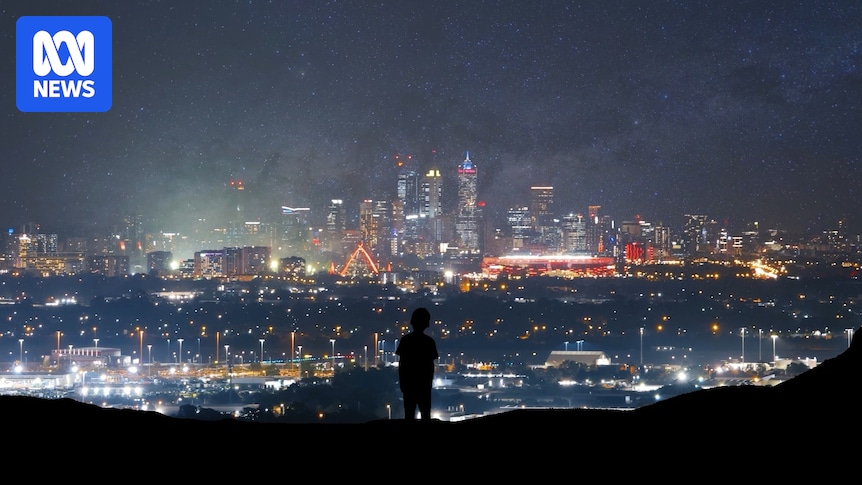
As South Australia heads towards the election, the political landscape is poised for significant shifts. The outcome could have far-reaching implications, not just for the state, but potentially for the national political scene as well.