


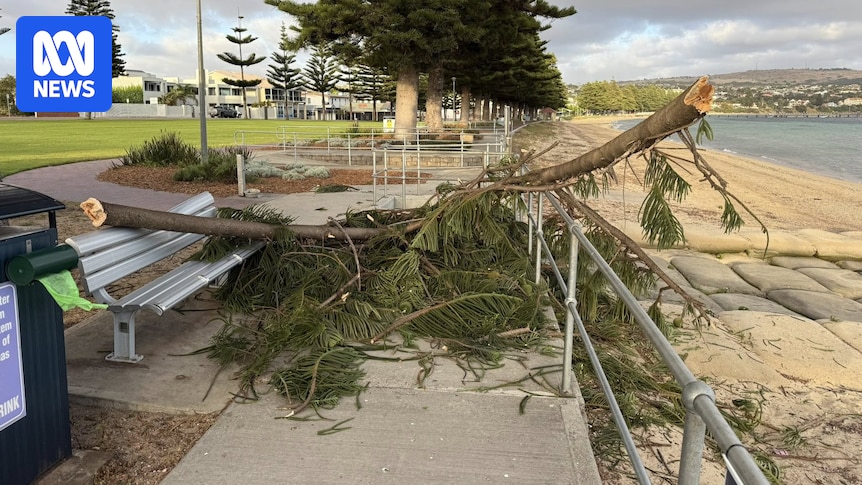
This past week’s scorching temperatures across South Australia have kept emergency services on high alert, but not just for the typical summer hazards. While many focus on the risks of bushfires and heat stroke, arborists and State Emergency Service (SES) teams have been busy responding to trees that have fallen over or dropped limbs due to heat-induced stress.
December 18 marked the hottest day this month across South Australia, with Port Lincoln reaching a peak of 42.7 degrees Celsius. The Bureau of Meteorology reported that Renmark hit 43.5C, Port Pirie recorded 42.9C, and Mount Gambier saw a maximum of 38.9C, all setting records for December.
Impact on Emergency Services
SA SES Eyre district officer Anthony Daelman-Whitaker noted that crews in Tumby Bay have already responded to three tree-related incidents this summer. “Right across the state, we are seeing trees down on houses and cars — recently, there was even a tree down at a market where someone was injured,” he said.
The announcement comes as the region grapples with the dual threats of extreme heat and its impact on local flora. The intense temperatures not only heighten the risk of bushfires but also lead to sudden tree limb failures, posing additional dangers to the public.
Heat Increases Risk
Harry Taylor, owner of Tree Removal Adelaide, has observed a noticeable uptick in business over the past week. “It’s increasing now, getting into summer with the heat and everything,” he said. Taylor highlighted that public awareness around the risks posed by trees has grown, especially after a tragic incident in February 2024 when a 22-year-old woman was killed by a falling gum tree branch.
“When they’ve had exposure to a lot of heat and lack of moisture, they’ll have heat stress, and that’s when they sort of self-prune themselves,” Taylor explained. “That’s the term where they drop branches to sustain themselves, but they can also just have sudden limb failures even if they’re fully healthy.”
The recent heatwave follows years of drought conditions that have further stressed trees across the state, making them more susceptible to limb failures.
Management and Prevention
Taylor has witnessed firsthand the damage that dropped tree limbs can cause. “Whether it’s just a single limb or even the whole trunk on homes, garages, and fences — it’s part and parcel of having big heavy trees around the neighborhood,” he remarked. “It’s just a matter of looking after them, I suppose.”
Meanwhile, Daelman-Whitaker emphasized that injuries can be avoided by taking precautions when trees are at risk of dropping their limbs. “In extreme heat, avoid sitting, camping, or hanging out under trees,” he advised. “This is probably the best way that you can protect yourself from being struck by a branch or a falling tree.”
Looking Ahead
As South Australia continues to face extreme weather conditions, the need for proactive tree management and public awareness becomes increasingly crucial. Experts suggest regular tree inspections and maintenance as vital measures to prevent accidents and ensure safety.
The move represents a growing recognition of the interconnectedness between climate conditions and public safety. As temperatures continue to rise, both residents and authorities are urged to remain vigilant and take necessary precautions to mitigate risks associated with extreme heat.